What Should I Buy for the Be Ready Campaign? A Practical UK Shopping Guide
Start with a cupboard check, not a large order. This independent guide separates everyday supplies, equipment gaps and optional extras so you can make a three-day plan that fits your household.
What does the Be Ready campaign ask households to have?
The UK government’s Be Ready campaign uses three days of household supplies as a starting point. Its checklist covers drinking water, food, hygiene, light and warmth, communication, money and documents, first aid, medicines and any baby or pet needs. There is no single product that replaces that whole plan.
Be Readyford is an independent preparedness website and affiliate shop. Our role is to help you identify gaps and compare equipment; the linked official campaign is the source for government guidance. You do not need to buy a Be Readyford package to use the checklist or prepare your home.
First, make an already-have / missing / optional list
Look in your kitchen cupboards, drawers and usual storage places. Find a working torch and its batteries, a charged power bank and the cable that fits your phone, warm blankets, first aid supplies and food your household normally eats. Test that the equipment works rather than assuming an unopened box means it is ready.
Divide a sheet of paper into three columns: already have, missing, and optional. Put a job beside each proposed purchase. For example, “light the hallway safely” is a clearer requirement than “buy a survival gadget”. If an item does not fill an identified gap, leave it in the optional column.
Free steps matter too: write down contacts, agree a meeting point, speak with neighbours about checking on each other and check relevant official alerts. A long shopping list is not a substitute for knowing what everyone will do.
Plan food, drinking water and personal needs before equipment upgrades
The campaign baseline for drinking water is 3 litres per person per day. For three days, that means 9 litres for one person, 18 litres for two, or 36 litres for four. Cooking, washing, pets and individual needs require more; these figures are drinking-water starting points, not a complete allowance.
Choose familiar non-perishable food that can be stored without refrigeration and safely eaten without cooking. Follow preparation and storage instructions, account for allergies and include a manual opener if your chosen tins need one. Buy appropriate amounts, rotate them into normal meals and replace them as you use them.
Include hygiene products, essential medicines and any medical supplies, baby feeding arrangements, nappies and pet food that apply to your home. Follow your usual professional and supplier advice for medical or feeding needs. An empty water container, first aid pouch or equipment bundle does not supply all of these things.
Buy equipment around four practical jobs
Light: choose a torch or lantern for the space you need to light, check its power source and keep suitable spare batteries or a workable charging arrangement. The official campaign recommends torches as a safer alternative to candles.
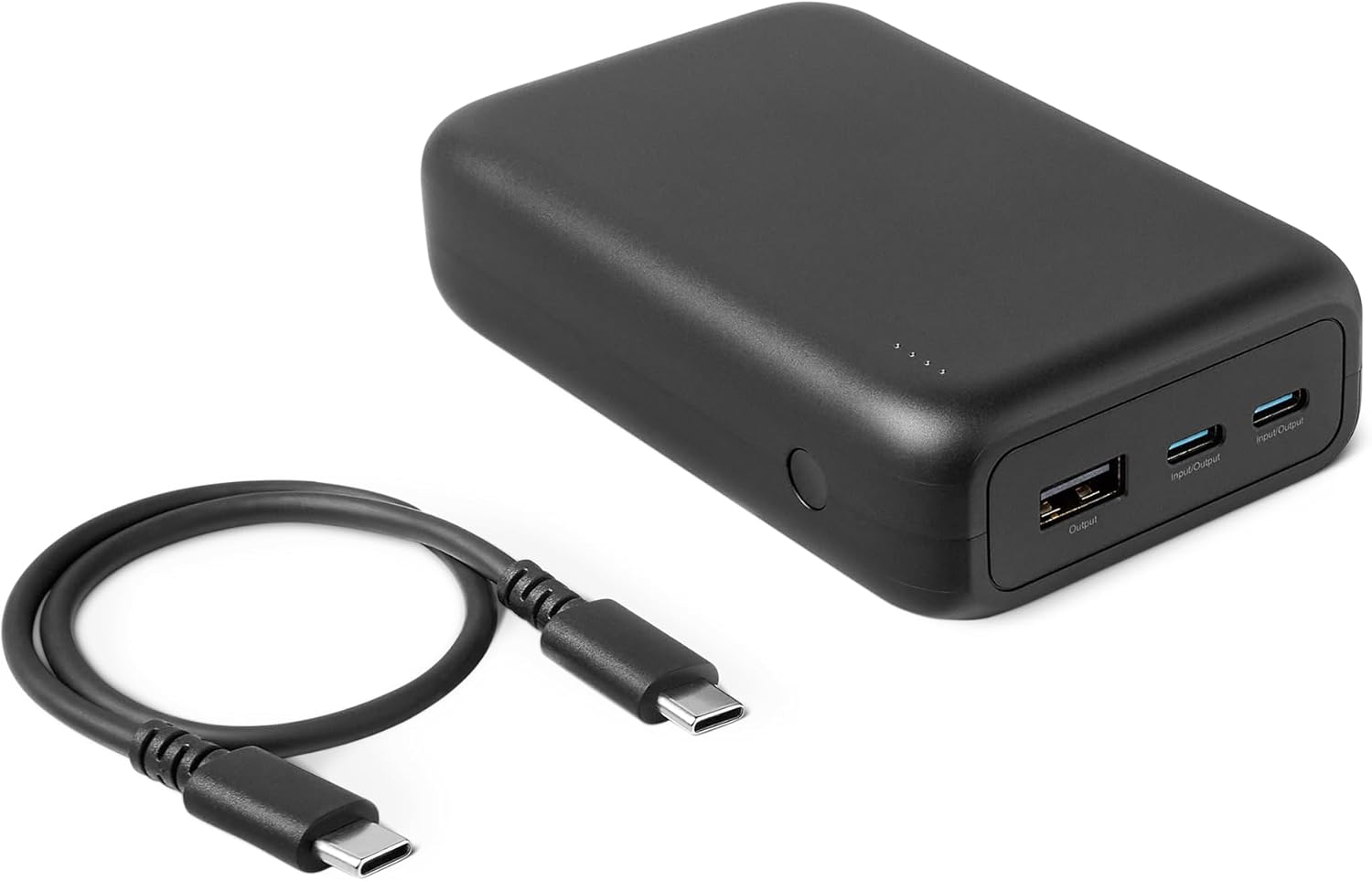
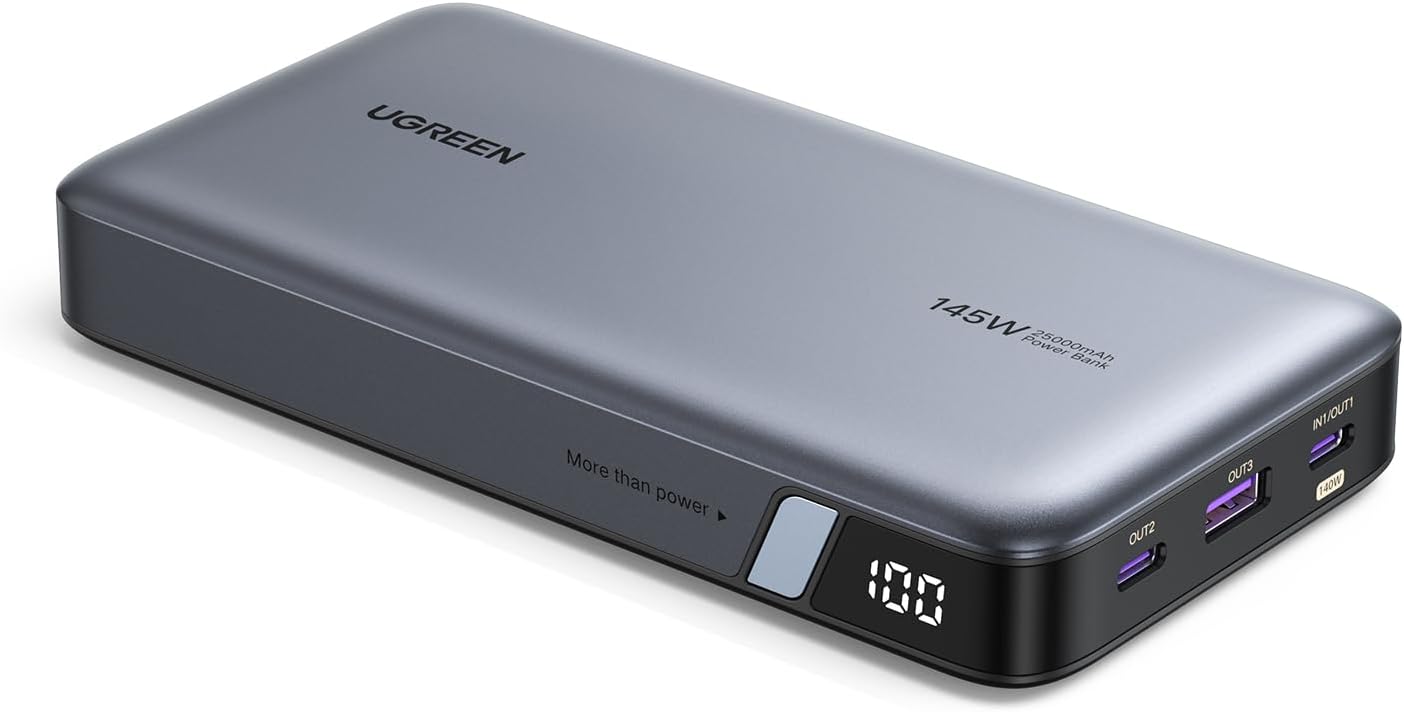
Charge: match the power bank’s connections and output to the phone or device you need to charge. Check the cable at the same time. A product’s mAh label does not guarantee a particular number of complete phone charges, and a phone power bank is not interchangeable with a power station intended for other loads.
Receive information: the campaign lists a battery-powered or wind-up FM radio. Check reception where you live and note down useful station frequencies. Decide how you would get updates if your normal internet connection stopped working.
Keep warm and manage small needs: start with your own warm clothing and blankets, then identify any gaps in first aid or everyday tools. Specialist shelters, filters and larger power stations are optional choices for particular circumstances, rather than automatic requirements for every household.
Which Be Readyford package should I consider?
Minimum is our solo starting point and Bronze is aimed at a couple, with larger equipment selections through Silver, Gold, Platinum and Ultimate. These labels describe our selections; they do not certify that a package meets every person’s needs for three days.
Open the exact product list and remove equipment you already have. Check quantities, swap unsuitable connectors or features, and compare the resulting list with your household plan. Do not choose a higher tier simply because it has more products.
The package images are labelled AI visualisations. The product list identifies the individual listings; the branded box is a visual concept, and products are bought separately through Amazon. Catalogue prices are dated reference amounts. Availability, the exact variant, current prices and delivery must be checked with the retailer.
Some shopping links are affiliate links and may earn Be Readyford commission from qualifying purchases. Our checklist and planning tools are free to use, whether or not you buy anything.
What can wait—and what should never become an indoor workaround?
Consider optional equipment only after identifying a real need and a safe place to use and store it. A small flat with limited storage may call for a compact torch and familiar cupboard food rather than several bulky devices. Share plans with the people you live with so supplies remain accessible.
A camping stove is not a necessary purchase for a no-cook food plan. Never bring an outdoor stove or barbecue into your home, tent, garage or another enclosed space, and never use one as indoor heating. Follow the manufacturer’s outdoor-use instructions.
Finish by checking the missing-items list against your budget. Build it gradually during normal shopping, keep the plan somewhere easy to find and review supplies every six months or when your household changes.
Sources & editorial notes
Read our editorial standards and corrections policy or report a correction to the site editor.
This article was published on 17 Nov 2026 and reviewed on 18 Nov 2026 from information available at that time. Conditions and service status can change, so use the dated official sources below for the latest position.
Be Readyford is independent and is not affiliated with the source organisations or the UK government. Practical suggestions are general household preparedness guidance, not medical, legal or technical advice.
For immediate danger, call 999.
Turn concern into a useful next step.
Power cut and blackout preparation: a UK household checklist.
Start with the things your household needs to do when mains electricity is unavailable. Plan the task first, then check whether your equipment can actually support it.
Read the guide 2 min

Your household emergency plan. Useful details, on paper.
The checklist tells you what to check. A household emergency plan records who will do what, where useful things are kept and how you will find reliable information.
Read the guide 2 min


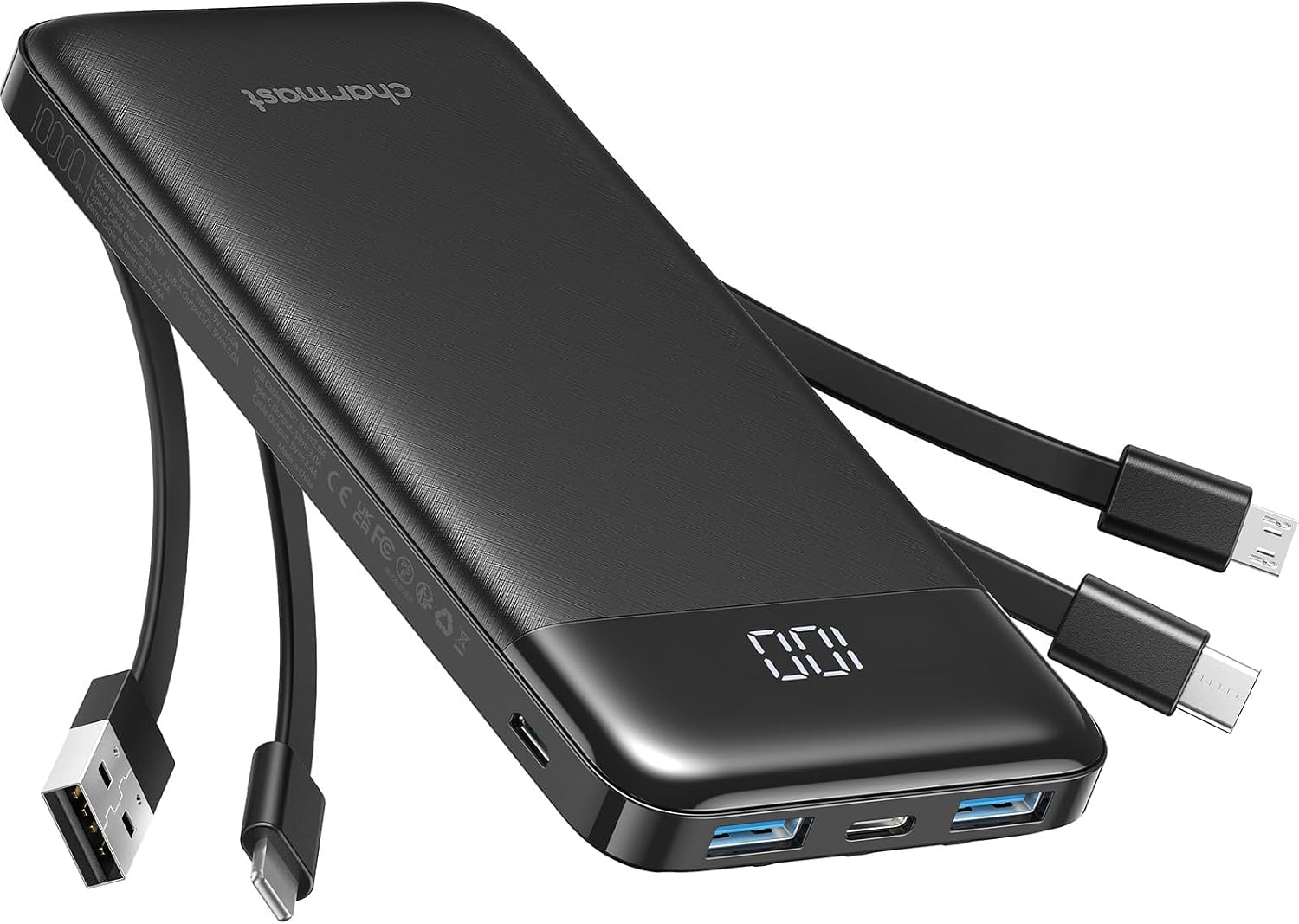
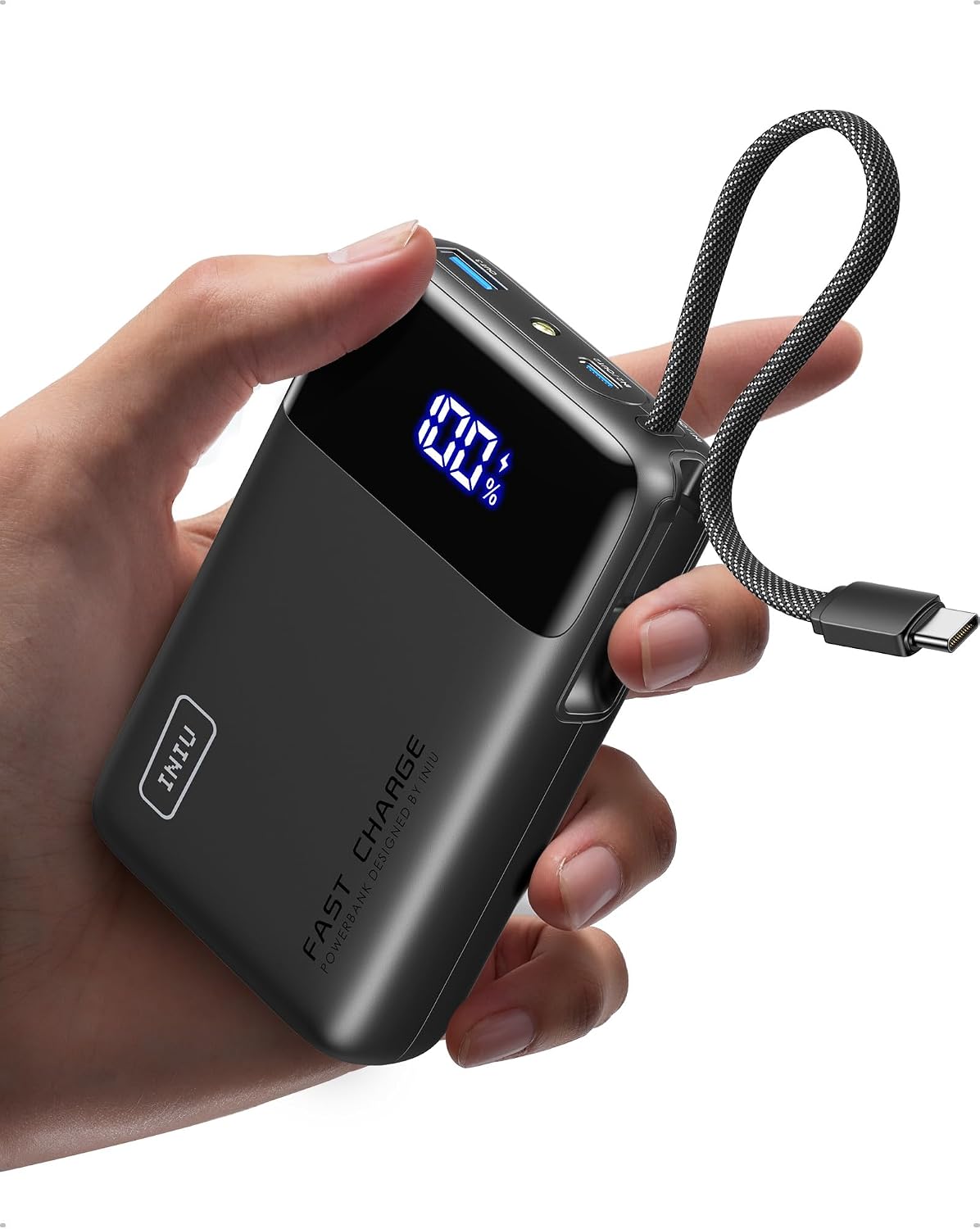
Choosing a power bank for UK power cuts.
For a UK power cut, choose a power bank around the phone or device you need to charge. Capacity, charging output and the cable connection are separate checks; plan each one before buying.
Read the guide 3 min