Be Ready on a Budget: Start With What You Already Own
You do not need to start with an equipment order. Use this cupboard-to-checklist exercise to turn what you already own into a practical household plan, then decide what can wait.
Does following the Be Ready campaign mean buying a kit?
No. The official UK Be Ready guidance encourages households to check existing supplies and prepare gradually. Its three-day starting point covers everyday needs and a household plan, rather than a particular branded kit. Be Readyford is an independent resource, not a government service.
Make a cupboard-to-checklist inventory
Try this exercise before opening a shopping page. Walk through the kitchen, bathroom and your usual equipment drawer with a sheet of paper. Make three columns: found and checked, needs attention, and not relevant to us.
Give each item a job. Instead of writing “another charger”, write “charge my phone using its existing cable”. Instead of “survival food”, list meals your household already likes. Put an item in needs attention if you cannot find it or have not checked it.
Move your notes to our free household checklist. “Need to get” can mean taking an action, replenishing a supply or making a plan; it does not always mean a new product.
Choose one free action before one purchase
The campaign recommends writing down important contacts, discussing a meeting point and agreeing how to check on people who may need support. Decide which of those steps would make your own household plan clearer.
Our suggested approach is to put the action and the person responsible on the same line: “write contact sheet — me” or “agree meeting place — everyone”. Keep the finished plan where the people who need it can find it.
Give every proposed purchase a reason to stay on the list
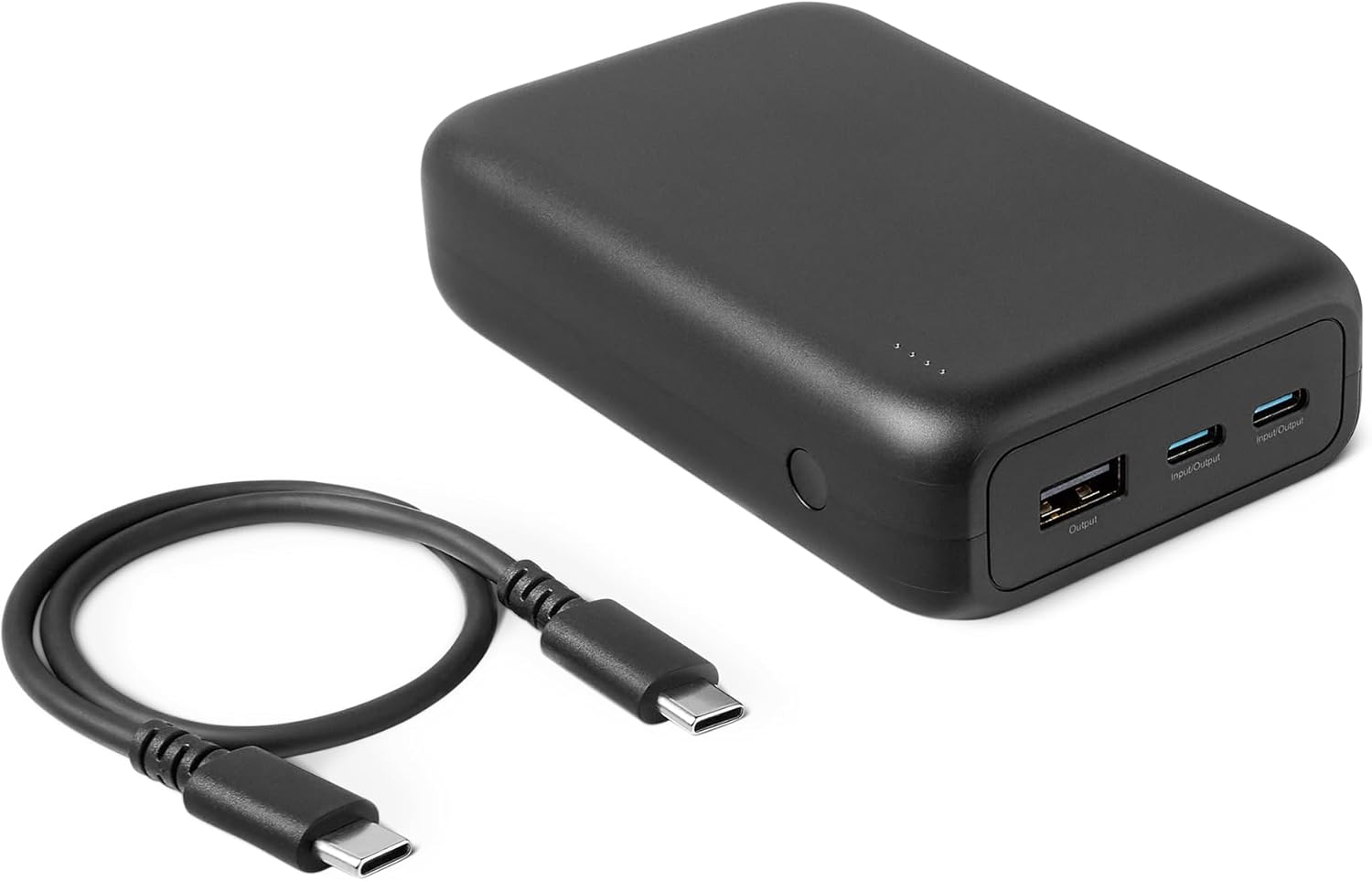
Beside each gap, write its purpose, what you have checked at home, and what you need to compare. For a power bank, that might be the connector and the device you want to charge. For lighting, it might be the place you need to light and the batteries you already use.
Keep optional upgrades on a separate list. A useful decision is sometimes “we already have something suitable”. Avoid choosing a higher package tier simply to make a list look complete. Our shopping guide helps you compare identified gaps; it is not a requirement to buy.
Set a small next step, then review
Pick one unfinished action and one genuine supply gap to consider during your next normal shop. The official guidance recommends checking supplies every six months and updating them when household needs change.
Keep this worksheet: item or action; job it does; already owned; still missing; next step. It gives you a reasoned plan rather than a collection of gadgets. Use the linked checklist and household-plan guide to continue without committing to a purchase.
Sources & editorial notes
Read our editorial standards and corrections policy or report a correction to the site editor.
This article was published on 18 Nov 2026 from information available at that time. Conditions and service status can change, so use the dated official sources below for the latest position.
Be Readyford is independent and is not affiliated with the source organisations or the UK government. Practical suggestions are general household preparedness guidance, not medical, legal or technical advice.
For immediate danger, call 999.
Turn concern into a useful next step.
Power cut and blackout preparation: a UK household checklist.
Start with the things your household needs to do when mains electricity is unavailable. Plan the task first, then check whether your equipment can actually support it.
Read the guide 2 min

Your household emergency plan. Useful details, on paper.
The checklist tells you what to check. A household emergency plan records who will do what, where useful things are kept and how you will find reliable information.
Read the guide 2 min


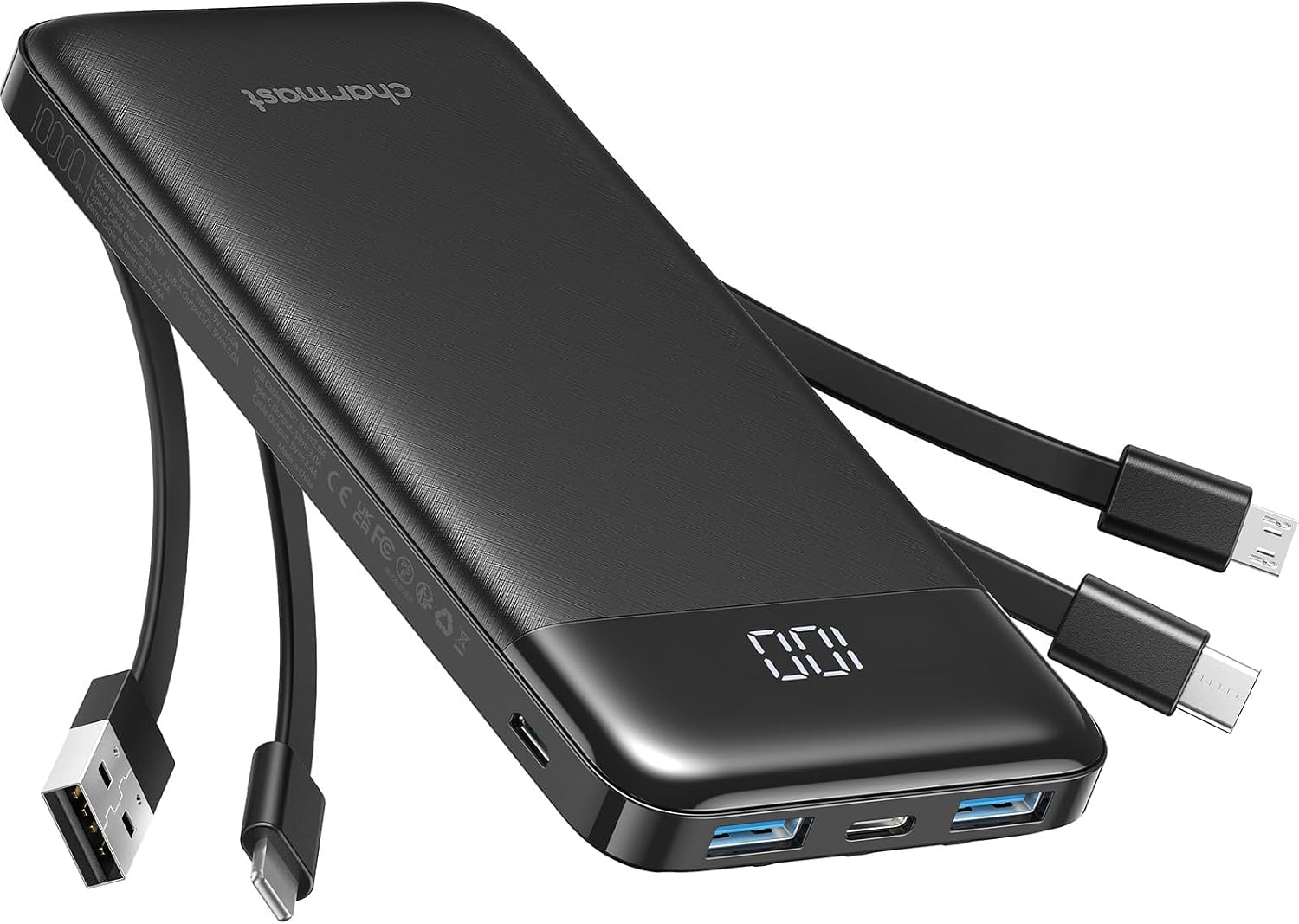
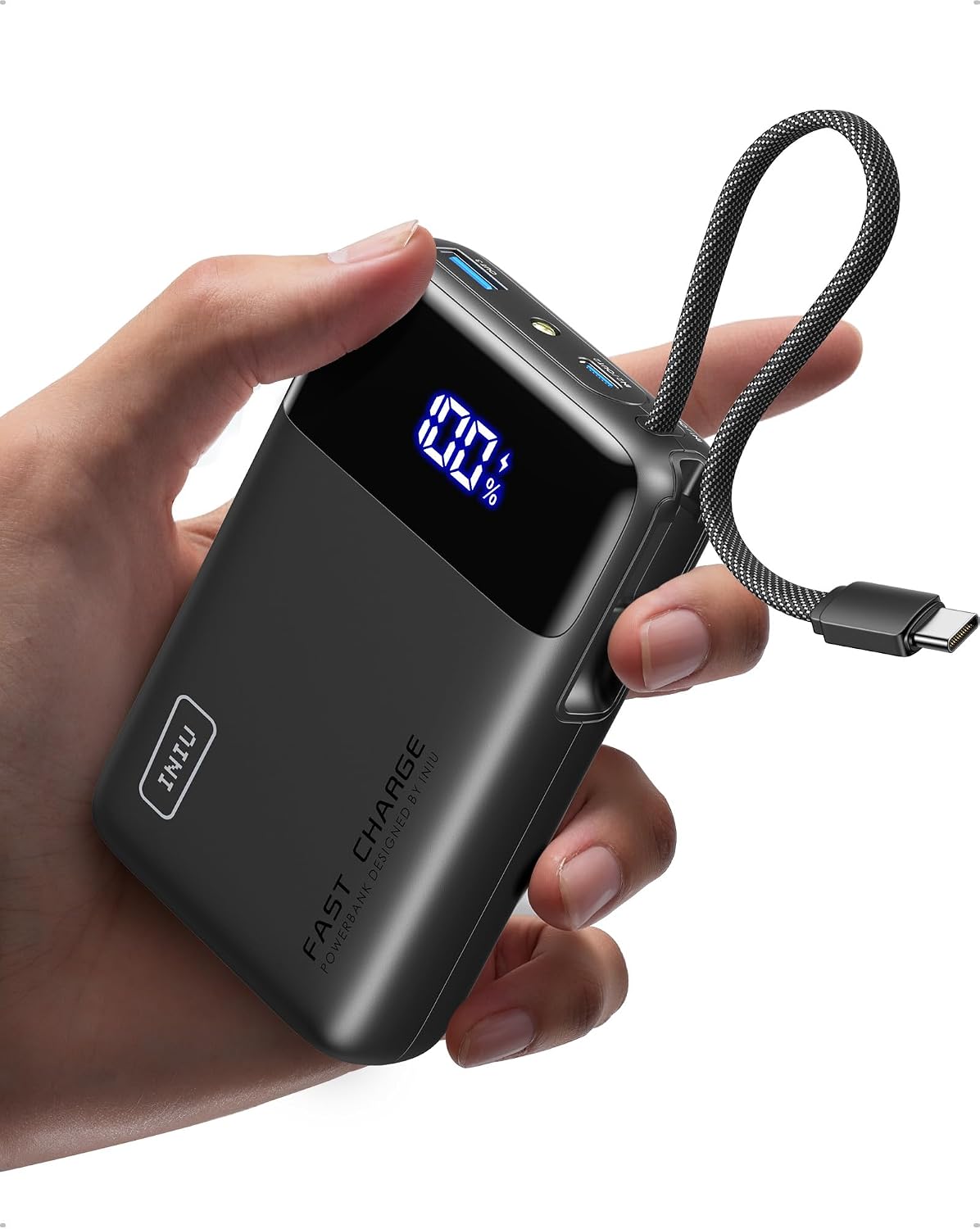
Choosing a power bank for UK power cuts.
For a UK power cut, choose a power bank around the phone or device you need to charge. Capacity, charging output and the cable connection are separate checks; plan each one before buying.
Read the guide 3 min