What Food Can You Eat During a Power Cut? A UK No-Cook Plan
A few familiar foods that keep at room temperature can make an outage easier. Plan meals you can safely eat without heating, keep chilled food cold and work out drinking water separately.
Start with one ordinary day of meals
Write down a breakfast, lunch, evening meal and snack that your household already enjoys. Then identify versions that can be stored unopened at room temperature and eaten safely without a hob, kettle or microwave. Repeat that plan for three days, adjusting portions to your household rather than buying an unfamiliar survival menu.
Examples might include cereal with an unopened small carton of shelf-stable milk, ready-to-eat tinned beans or fish with crackers, and fruit with nuts or another suitable snack. These are planning ideas, not a complete diet for every household. Check allergies, dietary requirements and the preparation and storage instructions on every pack.
Check the packet, the opener and the leftovers
A long shelf life does not mean a food is safe to eat uncooked. Choose products explicitly suitable for eating without heating and follow the label. Dried rice, pasta and many packet meals need cooking and water, so they do not belong in a no-cook plan.
Keep a working manual tin opener if your choices need one. Smaller packs can be useful when you cannot refrigerate leftovers. Once a carton, tin or jar is opened, follow its instructions; do not assume it remains safe at room temperature just because it was shelf-stable before opening.
If the electricity is already off, protect chilled food
Keep fridge and freezer doors closed as much as possible. Food Standards Agency advice says a closed fridge normally keeps food safe for up to four hours; a full freezer can hold its temperature for about 48 hours, or about 24 hours when half full. These are approximate times, not guarantees for every appliance or room temperature.
After a longer interruption, follow the Food Standards Agency’s temperature and time guidance for the particular food. Its advice says refrigerated foods such as ready-to-eat meals, meat, fish and leftovers should be discarded after four hours at 8°C or above, unless power is restored within four hours. If you cannot establish safe storage conditions, do not guess from smell or taste.
Give extra care to food for young children, pregnant people, older people and anyone with an underlying health condition. Read the official source below before deciding whether defrosted or chilled food can be used.
Add drinking water and individual needs
The UK Be Ready campaign starts with 3 litres of drinking water per person per day: 9 litres each over three days. Two people would therefore plan 18 litres for drinking alone. Cooking, cleaning, pets and individual needs require additional planning; this figure is not a total water allowance.
Use the linked household water calculator to work out the drinking baseline, then record the extra needs in your household plan. If your water supply is interrupted or a notice is issued, follow the water company’s instructions. A household filter is not a substitute for those instructions.
Include food and feeding arrangements for babies, pets and anyone with particular dietary needs. Ready-to-feed infant formula may be an option when you cannot safely boil water; follow NHS and product instructions and your usual professional advice.
Keep cooking equipment outdoors and rotate your supplies
A no-cook plan avoids depending on a camping stove when the lights go out. Never use a barbecue or outdoor camping stove inside your home, tent, garage or another enclosed space. Fuel-burning equipment can cause carbon monoxide poisoning and fire. Follow the manufacturer’s outdoor-use instructions.
Use what is already in your cupboards, buy only the gaps you can afford and rotate supplies into normal meals before their dates. Store the list with a torch and the opener, and review it when your household’s needs change. Buying equipment is optional; the useful first step is a workable food and water plan.
Sources & editorial notes
Read our editorial standards and corrections policy or report a correction to the site editor.
This article was published on 17 Nov 2026 from information available at that time. Conditions and service status can change, so use the dated official sources below for the latest position.
- Food Standards Agency: food safety in a power cut ↗
- UK Government Be Ready: household food, water and personal needs ↗
Be Readyford is independent and is not affiliated with the source organisations or the UK government. Practical suggestions are general household preparedness guidance, not medical, legal or technical advice.
For immediate danger, call 999.
Turn concern into a useful next step.
Power cut and blackout preparation: a UK household checklist.
Start with the things your household needs to do when mains electricity is unavailable. Plan the task first, then check whether your equipment can actually support it.
Read the guide 2 min

Your household emergency plan. Useful details, on paper.
The checklist tells you what to check. A household emergency plan records who will do what, where useful things are kept and how you will find reliable information.
Read the guide 2 min


Choosing a power bank for UK power cuts.
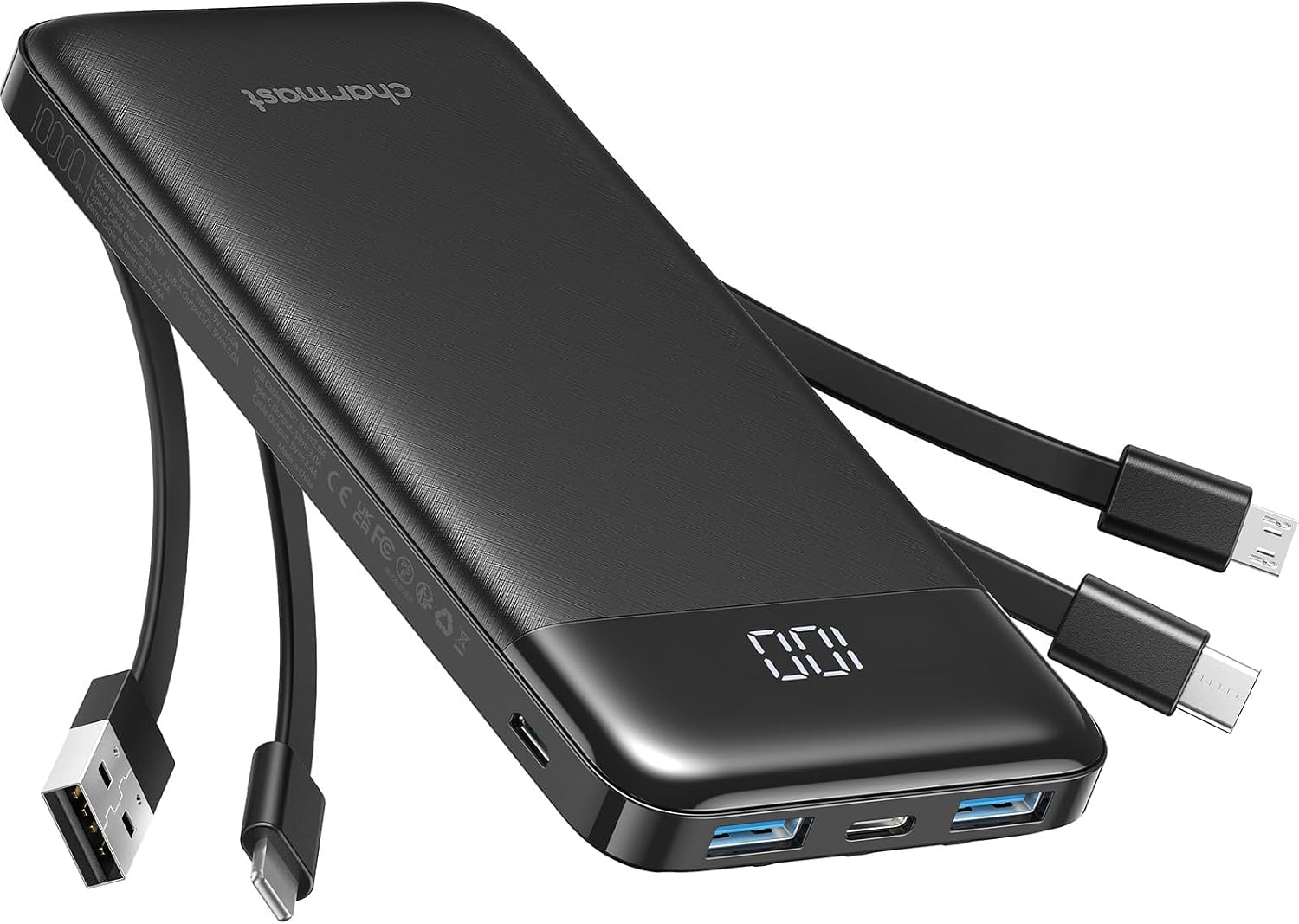
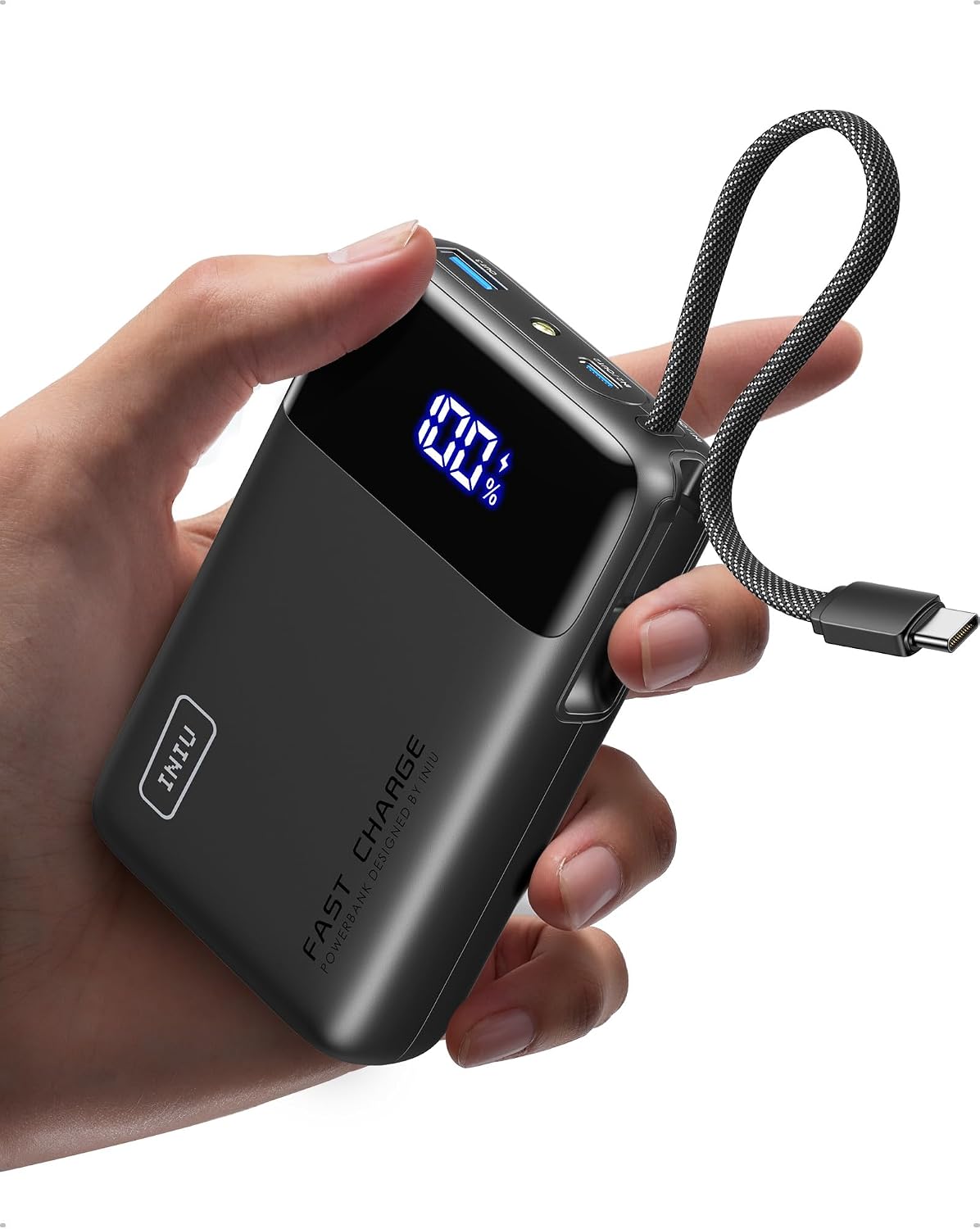
For a UK power cut, choose a power bank around the phone or device you need to charge. Capacity, charging output and the cable connection are separate checks; plan each one before buying.
Read the guide 3 min