A storm checklist for the evening before a named storm
The useful work happens the evening before a named storm, not while the bins are already flying down the street.
Start here
When the Met Office issues a weather warning, or a storm is named, check the warning for your own area and follow what it asks. Warnings can change, so look again before you go to bed and again in the morning. This page is a practical evening checklist. It is not a forecast, and it does not name a storm that is not in force.
Check, charge and write things down
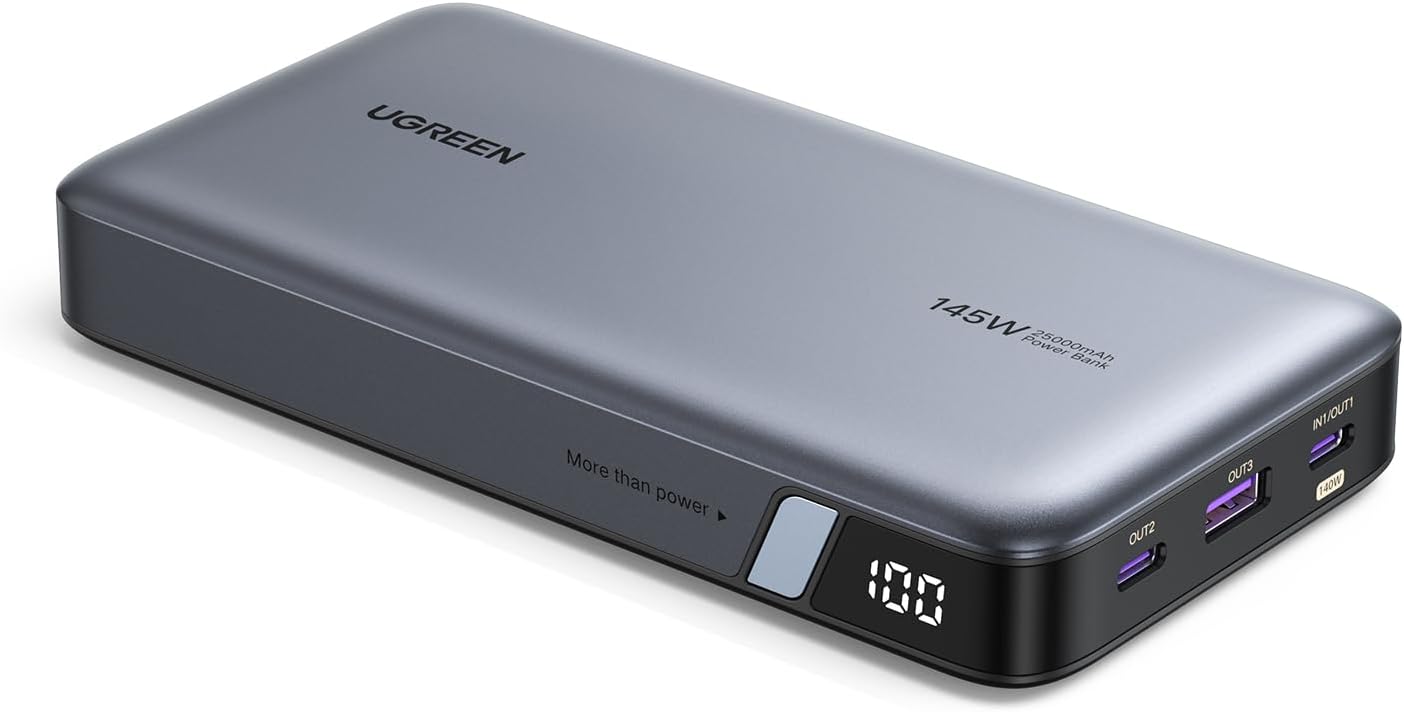
Look at the Met Office forecast and any weather warning for your postcode. Charge your mobile phone, power banks, and any back-up batteries for medical equipment. Write down how to report a power cut: 105 in England, Scotland and Wales, and 03457 643643 in Northern Ireland. Keep a torch you can find in the dark, and a battery or wind-up radio.
Have medicines, drinking water and no-cook food where you can reach them if the power goes or you need to stay in. If you or someone in the house might need extra help from an energy supplier, look at the Priority Services Register (Customer Care Registers in Northern Ireland).
Secure the house and the garden
The Met Office advice before a storm is clear:
Do this in daylight or early evening, not once the wind is already high.
- Secure loose objects such as ladders, garden furniture, bins or anything else that could be blown into windows
- Close and securely fasten doors and windows, particularly on the windward side of the house, and especially large doors such as those on garages
- Park vehicles in a garage if you have one; otherwise keep them clear of buildings, trees, walls and fences
- Close and secure loft trapdoors, particularly if the roof pitch is less than 30 degrees
- If chimney stacks are tall and in poor condition, move beds away from the areas directly below them
Then stay in, and check on others
During the storm, the Met Office says to stay indoors as much as possible, not to go out to repair damage while it is in progress, and to take care if you must drive. After the storm, keep away from fallen power lines and weakened walls or trees, and check that vulnerable neighbours or relatives are safe.
A free power-cut guide and household checklist are at www.bereadyford.co.uk. If the lights go out, see keeping warm safely in a power cut.
Frequently asked questions
What if there is no named storm, just a weather warning?
Do the same checks. A named storm is a prompt to pay attention, but Met Office wind, rain, snow or ice warnings can still affect travel, power and property.
Should I go outside to tidy the garden once the wind has picked up?
No. Secure loose objects in the evening before, or in daylight while it is still safe. The Met Office advises you not to go out to repair damage while the storm is in progress.
Is this the same as a three-day emergency kit?
No. This is the evening-before job: charge, fasten, and secure. A household checklist still covers drinking water, no-cook food, medicines and a kit you can find in the dark.
Sources & editorial notes
Read our editorial standards and corrections policy or report a correction to the site editor.
This article was published on 24 Nov 2026 from information available at that time. Conditions and service status can change, so use the dated official sources below for the latest position.
- weather.metoffice.gov.uk — stay safe in a storm ↗
- weather.metoffice.gov.uk — top tips to be weatherready ↗
- beready.campaign.gov.uk — power cuts ↗
Be Readyford is independent and is not affiliated with the source organisations or the UK government. Practical suggestions are general household preparedness guidance, not medical, legal or technical advice.
For immediate danger, call 999.
Turn concern into a useful next step.
How to prepare for a UK power cut at home
Start with the things your household needs to do when mains electricity is unavailable. Plan the task first, then check whether your equipment can actually support it.
 VARTA L10RH Dynamo Lantern↗
 Energizer Fusion Compact Lantern↗
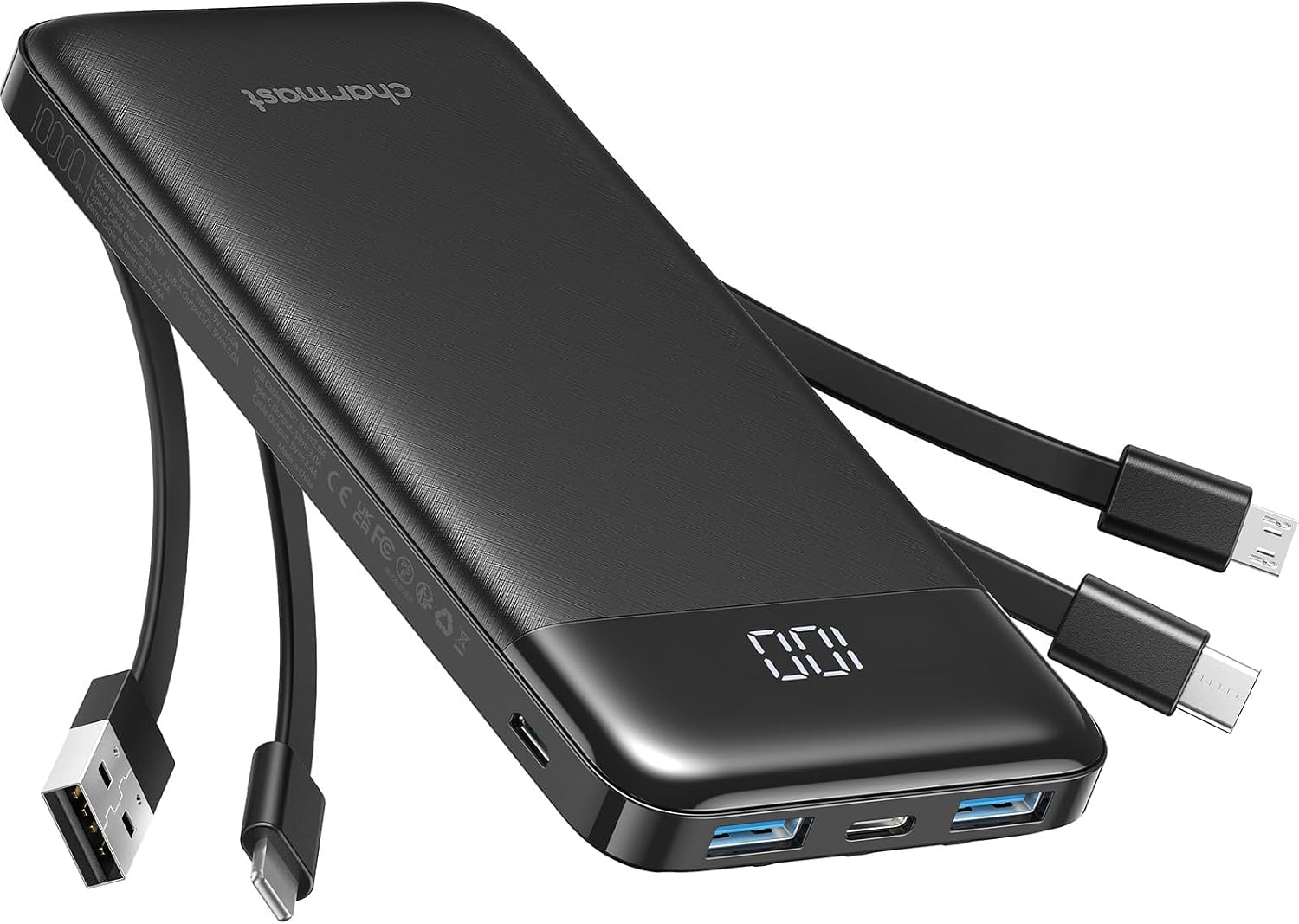 Charmast power bank↗
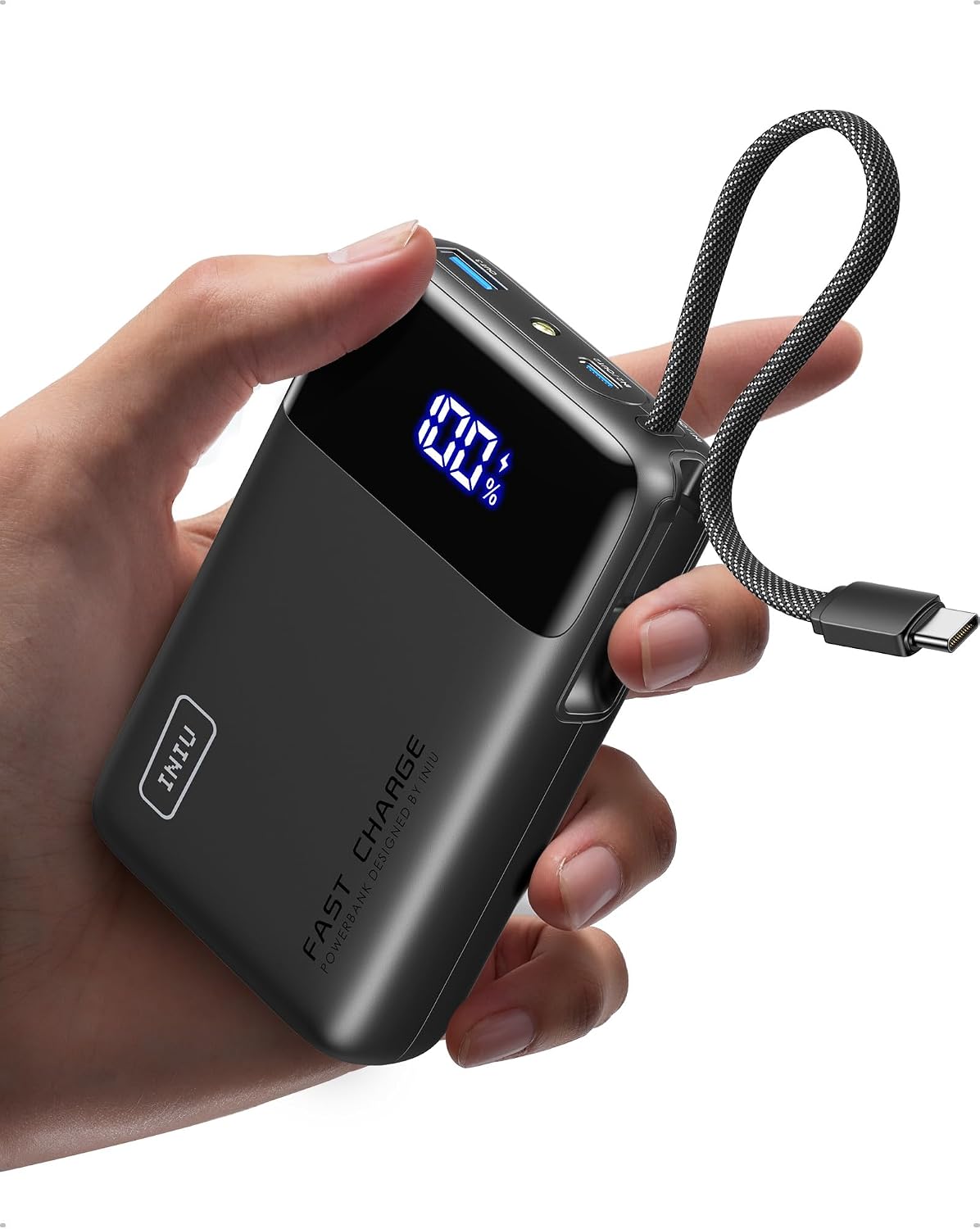 INIU 20,000mAh bank↗
Your household emergency plan. Useful details, on paper.
The checklist tells you what to check. A household emergency plan records who will do what, where useful things are kept and how you will find reliable information.
 Lepro LED Pen Torch (2-Pack)↗
 Compact first aid kit↗
 1410 Outdoor 5L Water Container↗Charmast power bank↗
What size power bank do I need for a UK power cut?
For a UK power cut, choose a power bank around the phone or device you need to charge. Capacity, charging output and the cable connection are separate checks; plan each one before buying.
Read the guide 4 min