Keeping warm safely in a power cut
If the heating stopped tonight, could you keep one room warm safely?
Start here
The UK government's Be Ready campaign says people cope better with a power cut when they have prepared, and that you can keep warm with blankets and layered clothing. Close doors of unused rooms and close curtains to keep heat in. Older adults, babies and young children, and people with long-term health problems, are most likely to become ill if they get too cold.
The same situation can become dangerous if the wrong heating is brought indoors.
Keep one room warm
Pick one room to live in while the power is off. Close inside doors, draw the curtains, and put a folded towel or draught excluder at the bottom of the door if you have one. Wear several thinner layers rather than one thick one, and use blankets, duvets or a sleeping bag.
A flask filled while you still have power (or while you can still boil a kettle) gives you a hot drink later. A hot-water bottle helps only if you can heat water safely. Torches are safer than candles, especially near curtains and bedding — that is official Be Ready advice, not just a preference.
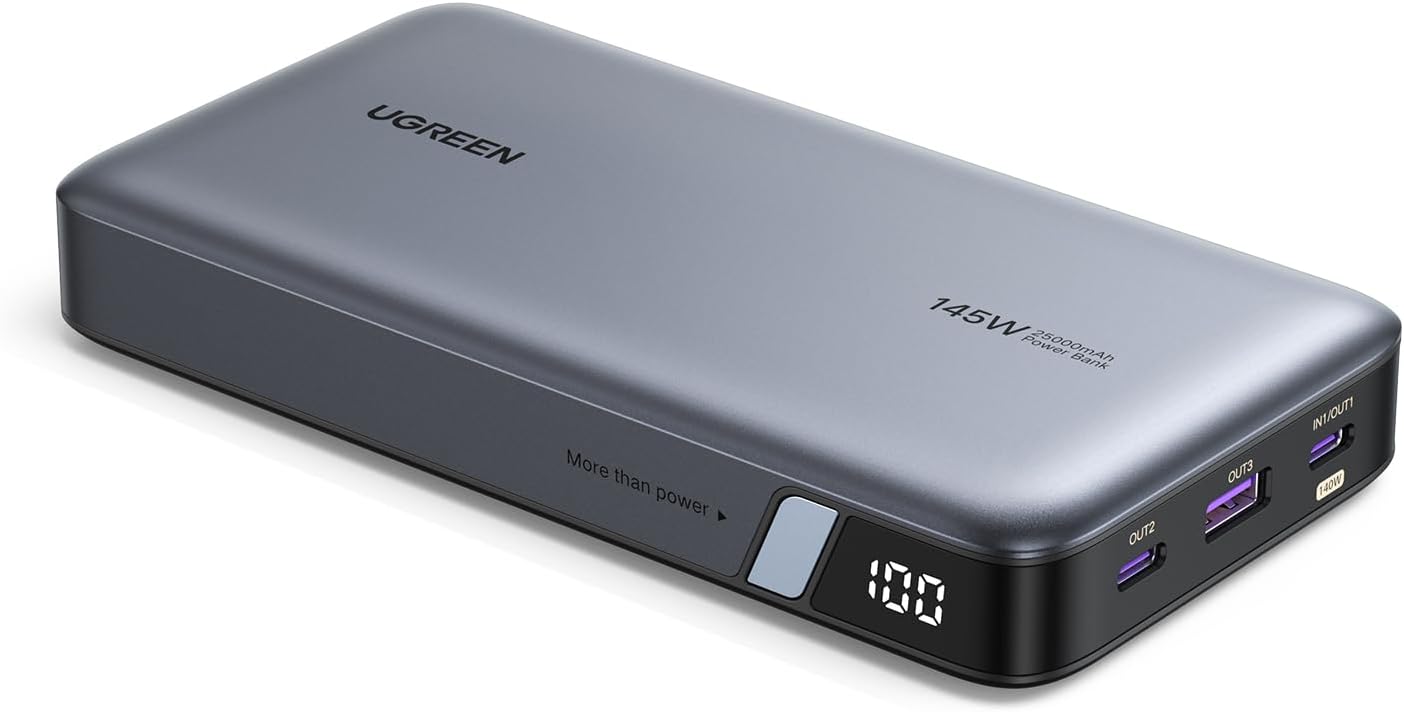
Write 105 on paper (03457 643643 in Northern Ireland), keep a charged power bank, and use a battery or wind-up radio for updates. If you might need extra support, look at the Priority Services Register (Customer Care Registers in Northern Ireland).
What never to use indoors
Carbon monoxide is an invisible, odourless gas that can kill. National Grid says any appliance powered by carbon-based fuels — including gas, coal, oil, diesel, petrol and wood — can release it, and you should never use a portable generator or barbecue indoors during a power cut.
The NHS says the same about barbecues and camping stoves: do not use them indoors, or inside a tent. Do not run a car engine or other fuel engine in a garage or other enclosed space. Outdoor gas heaters, charcoal and lit fuel also stay outside, in fresh air, away from doors and windows.
Only equipment designed to be used indoors should be brought inside. If you have a fuel-burning appliance that is meant for indoor use, it still needs proper ventilation, and an audible carbon monoxide alarm that meets the relevant British or European standard (look for BS EN 50291). Fit an alarm in rooms with a fuel-burning appliance, and test it.
If an alarm sounds, or someone feels unwell
Symptoms of carbon monoxide poisoning, according to the NHS, can include a headache, dizziness, feeling sick, weakness, tiredness and confusion, or chest and muscle pain. You cannot smell the gas, so do not wait for a warning odour.
If a carbon monoxide alarm sounds, or you think there is a leak, official advice is to stop using appliances, go outside, and get medical advice before going back in. From outside, call the gas emergency service on 0800 111 999 in Great Britain or 0800 002 001 in Northern Ireland. If someone is finding it hard to breathe, is suddenly confused, has lost consciousness, feels weak, or has chest or muscle pain, call 999 or go to A&E.
A free power-cut guide is at Be Readyford.
Frequently asked questions
Can I use a camping stove or barbecue in the kitchen if the heating is off?
No. Never use a barbecue, camping stove, portable generator or outdoor gas heater indoors, in a garage, or in a tent. They can produce carbon monoxide, which you cannot see or smell.
Are candles a good backup?
Torches are safer than candles, especially near curtains and bedding. That is the Be Ready campaign's advice. If you already have candles, they still need to be used with great care and never left unattended — a torch should be the first choice.
How is this different from the general winter power-cut guide?
Our winter power-cut guide covers the household plan, 105, and food in the fridge and freezer. This page is about staying warm without creating a carbon monoxide risk. The small-flat guide covers compact storage and lighting.
Sources & editorial notes
Read our editorial standards and corrections policy or report a correction to the site editor.
This article was published on 24 Nov 2026 from information available at that time. Conditions and service status can change, so use the dated official sources below for the latest position.
- beready.campaign.gov.uk — power cuts ↗
- powercuts.nationalgrid.co.uk — safety first ↗
- nhs.uk — carbon monoxide poisoning ↗
- gov.uk — carbon monoxide general information ↗
Be Readyford is independent and is not affiliated with the source organisations or the UK government. Practical suggestions are general household preparedness guidance, not medical, legal or technical advice.
For immediate danger, call 999.
Turn concern into a useful next step.
How to prepare for a UK power cut at home
Start with the things your household needs to do when mains electricity is unavailable. Plan the task first, then check whether your equipment can actually support it.
 VARTA L10RH Dynamo Lantern↗
 Energizer Fusion Compact Lantern↗
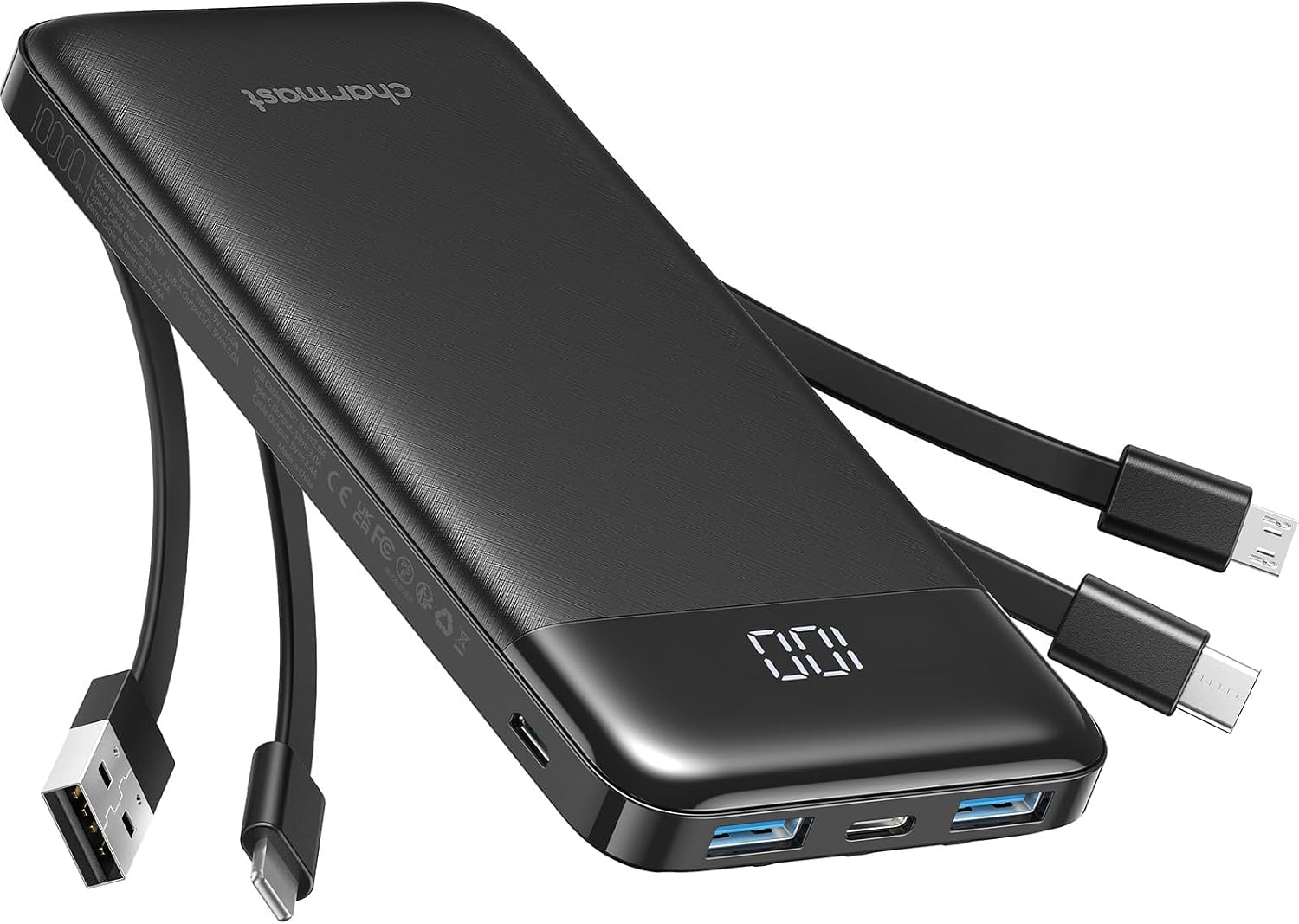 Charmast power bank↗
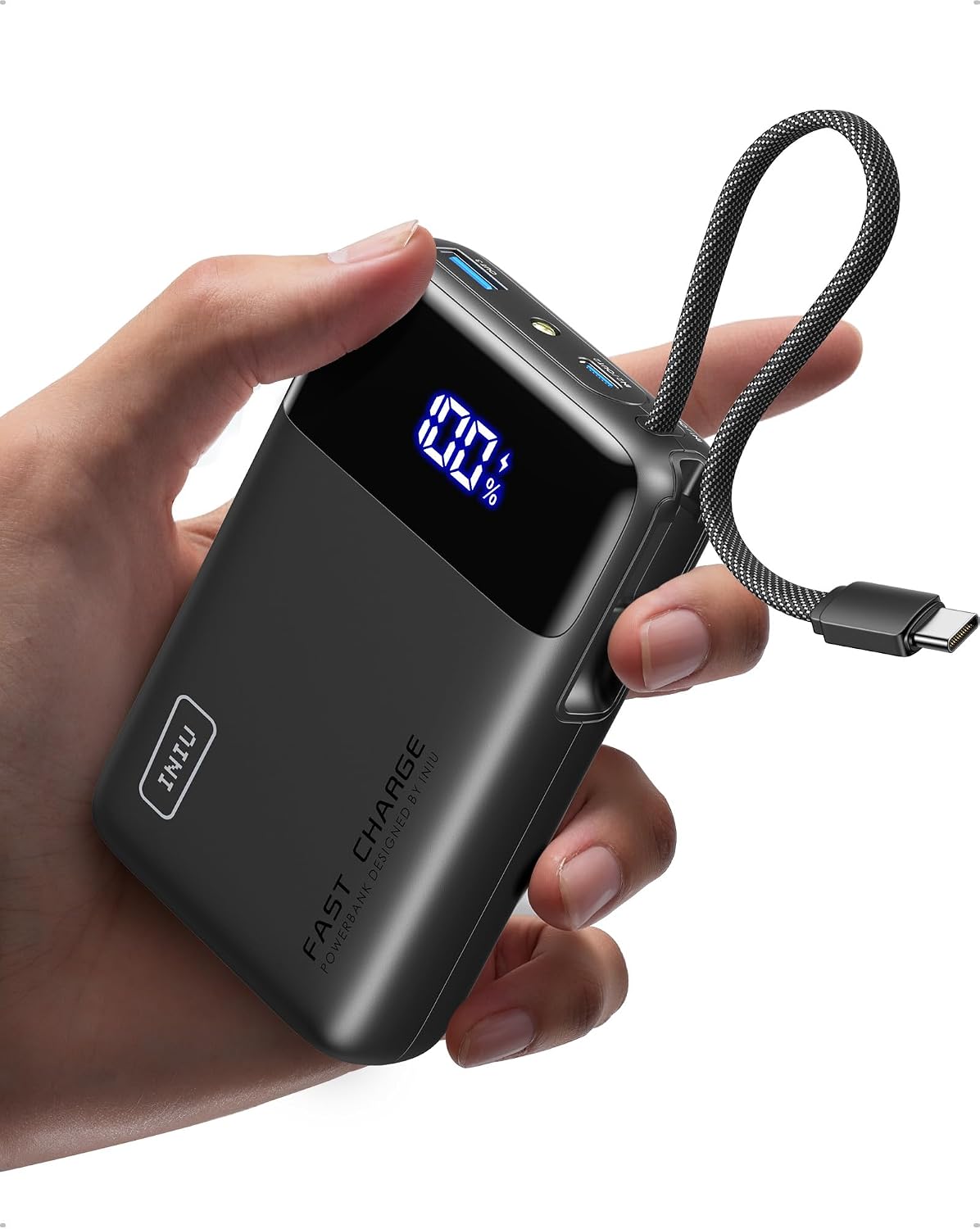 INIU 20,000mAh bank↗
Your household emergency plan. Useful details, on paper.
The checklist tells you what to check. A household emergency plan records who will do what, where useful things are kept and how you will find reliable information.
 Lepro LED Pen Torch (2-Pack)↗
 Compact first aid kit↗
 1410 Outdoor 5L Water Container↗Charmast power bank↗
What size power bank do I need for a UK power cut?
For a UK power cut, choose a power bank around the phone or device you need to charge. Capacity, charging output and the cable connection are separate checks; plan each one before buying.
Read the guide 4 min