Could your home manage a winter power cut? A 30-minute check
A short check of your lights, charging, warmth, food and essential contacts can make a local power cut much less stressful. Start with what you already own and fix the genuine gaps.
Why a half-hour check is worth doing
A power cut does not need to be national or dramatic to disrupt a household. Heating controls, broadband, charging, lighting and some medical or care equipment can all depend on electricity. Darker winter evenings also make a small local outage feel more unsettling.
The UK Government's Be Ready guidance says the electricity system is resilient and that most power cuts are short-lived and local. The sensible response is not panic-buying. It is knowing what will stop working, where your basic supplies are and who may need extra help.
Set a timer for 30 minutes. Walk through the checks below with the people you live with, use the Be Readyford household checklist to record gaps, and buy only what your home genuinely lacks.
Minutes 0–10: light, charging and information
Find every torch in the home and test it. Keep the correct spare batteries beside battery-powered torches, and charge rechargeable lights according to their instructions. Government guidance recommends torches instead of candles because they are safer.
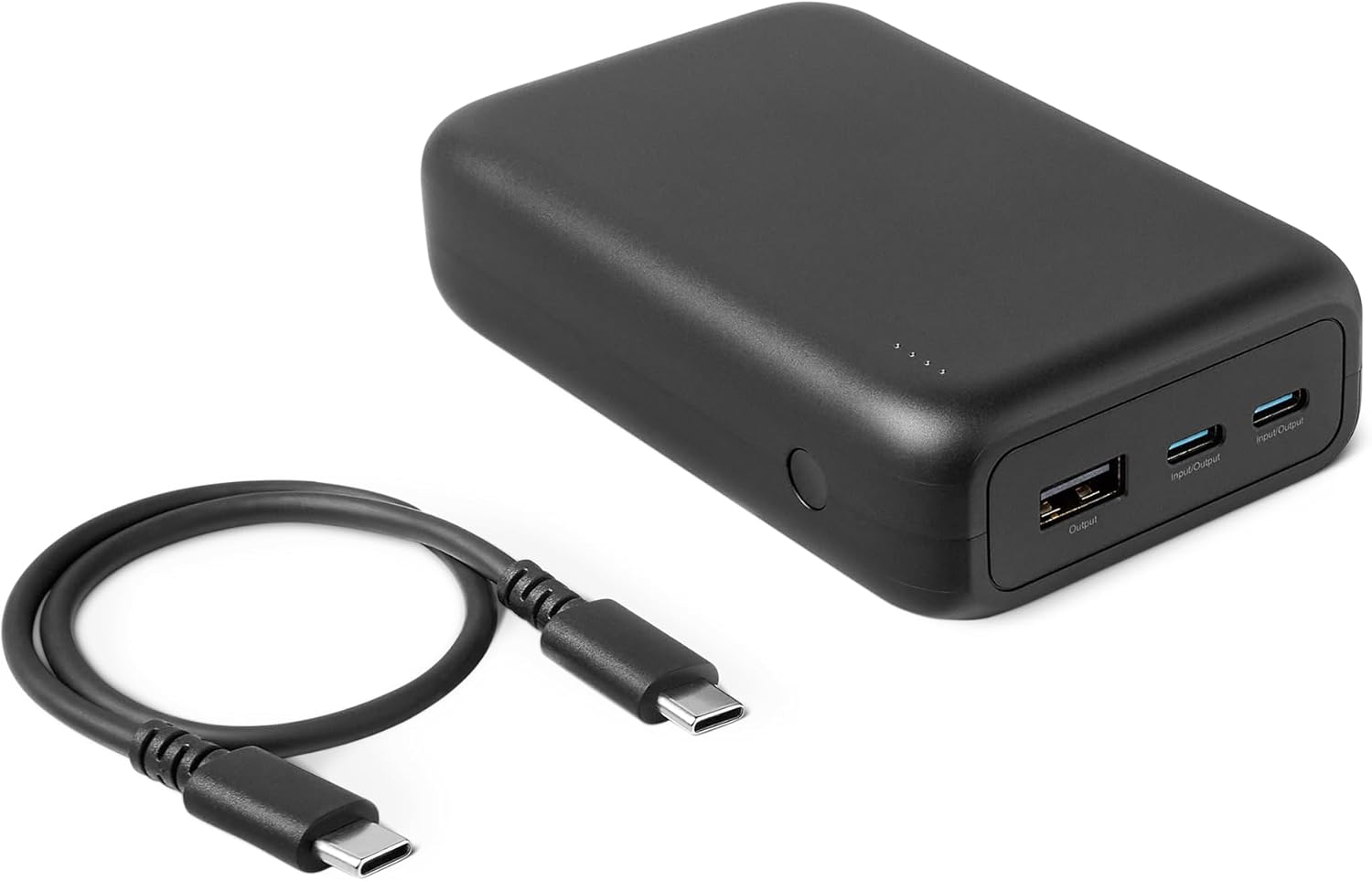
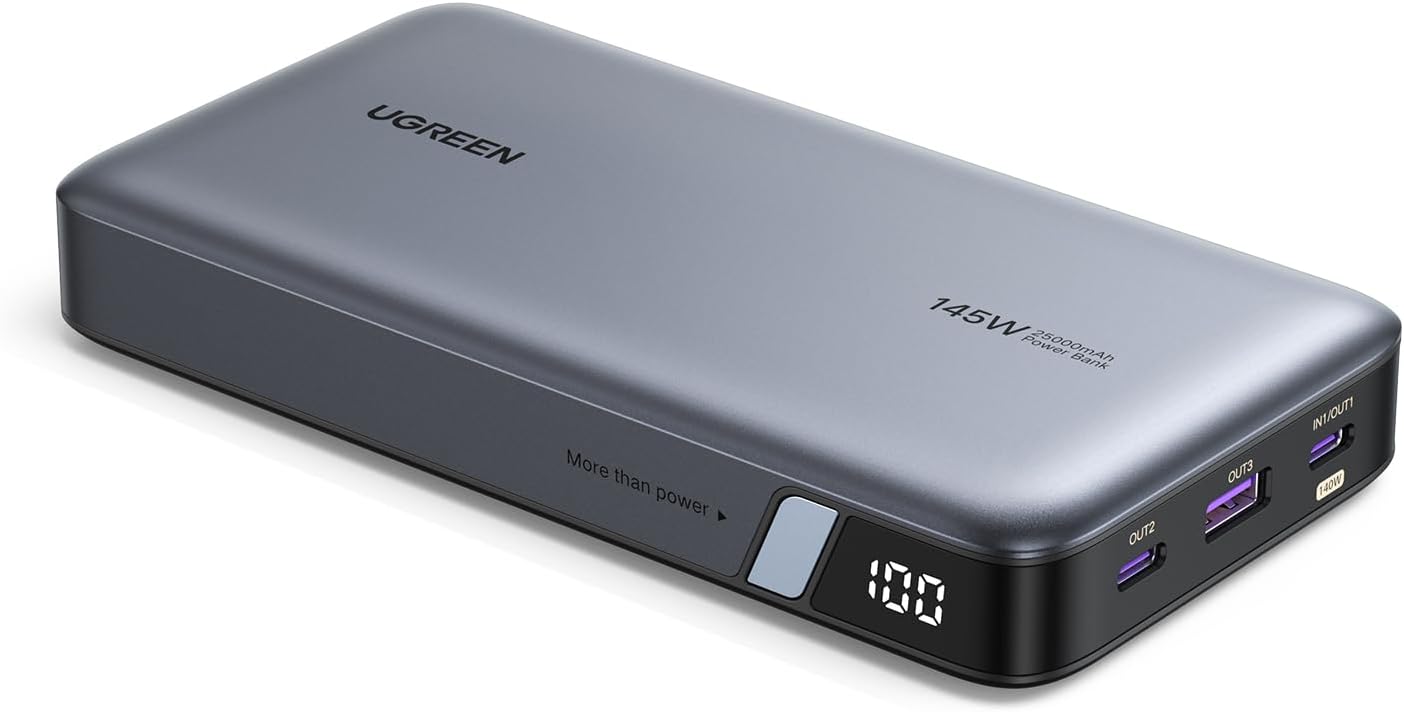
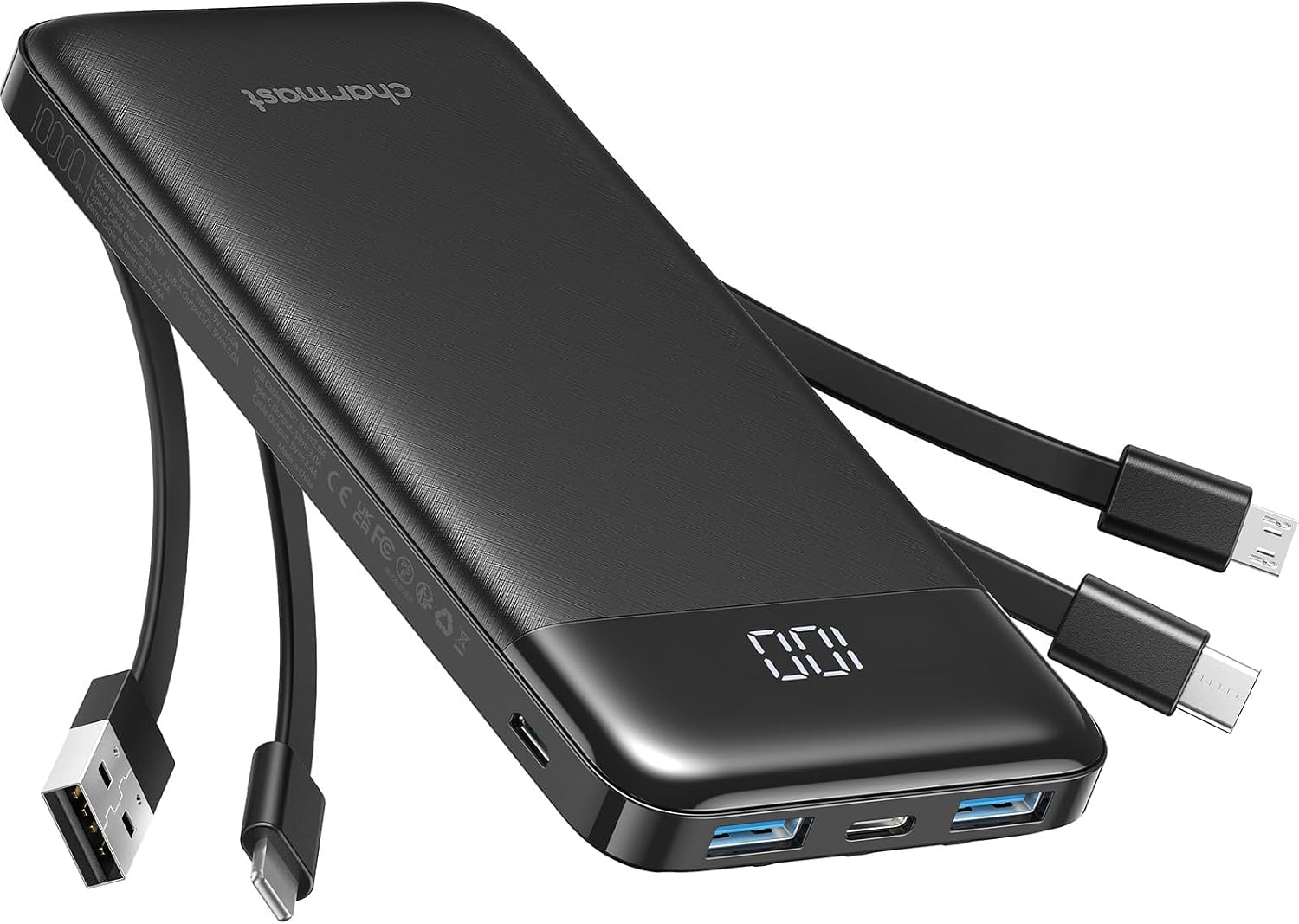
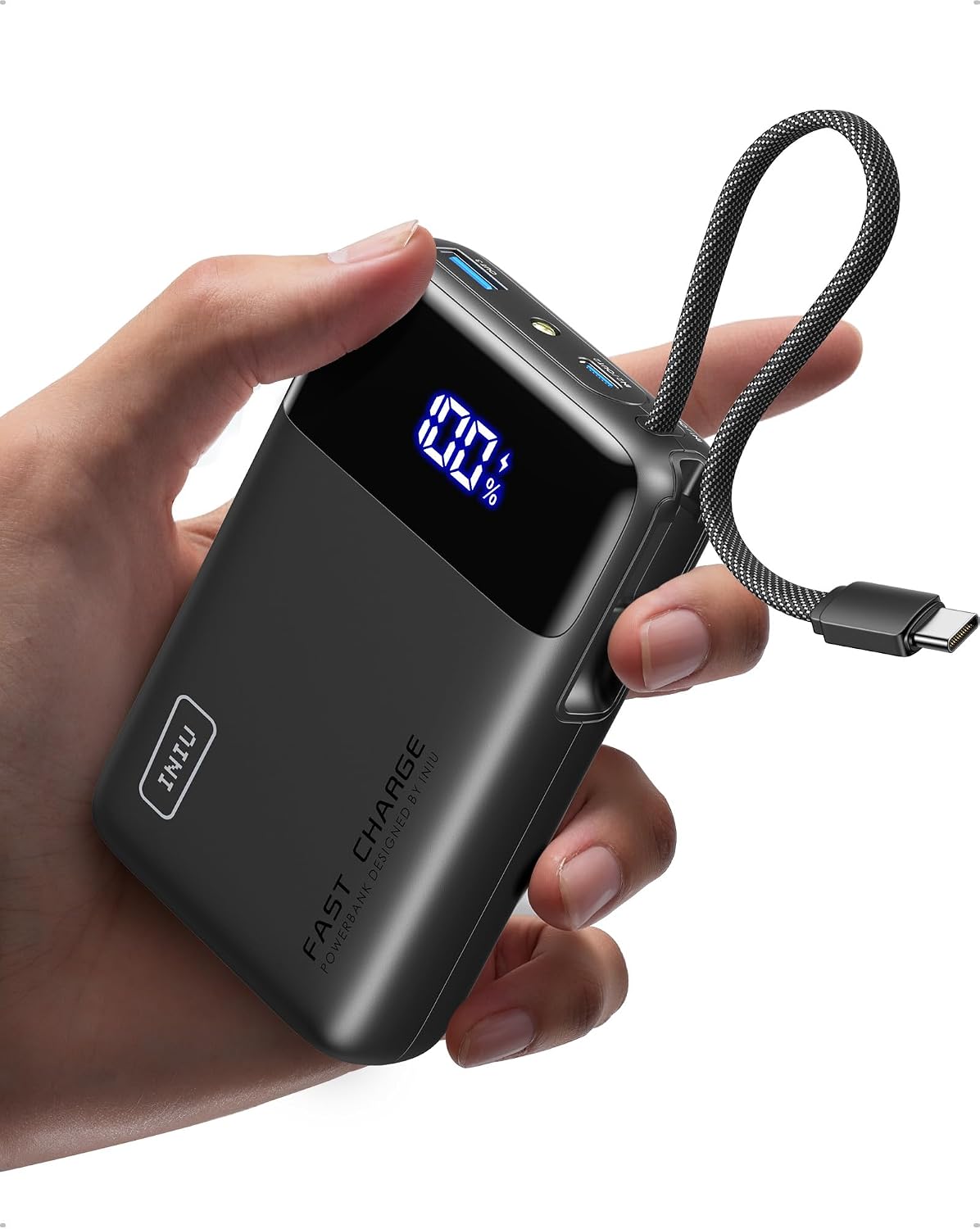
Check that one power bank is charged and that its cables actually fit the phones or essential small devices in your household. A power bank is a limited reserve, not a substitute for mains power, so decide what you would prioritise.
Write 105 on paper if you live in England, Scotland or Wales, or 03457 643643 in Northern Ireland. Add your electricity network operator, an agreed family contact and any care or equipment provider you may need. Keep the note somewhere easy to find in the dark.
- Test torches and match them with the right batteries.
- Charge a power bank and test the cables you would use.
- Write down power-cut and essential household contact numbers.
- Know where to find a battery or wind-up radio if phone service is affected.
Minutes 10–20: warmth, food and personal needs
Put warm layers, blankets and any sleeping bags where they can be reached without searching through a dark loft or cupboard. During a cut, close curtains and doors to unused rooms to hold warmth in. Never use a barbecue, camping stove or other outdoor fuel-burning appliance indoors, and never use an oven to heat a room.
Check that your household has familiar food that can be eaten without cooking, drinking water and any baby, pet, medicine or hygiene supplies it relies on. The Food Standards Agency advises keeping fridge and freezer doors closed during a cut; its current guidance explains what to do if an outage lasts longer.
If someone uses powered medical equipment, a telecare alarm or a landline-based service, contact the provider before an outage and make a specific backup plan. Do not assume a general-purpose battery is safe or suitable for medical equipment.
Minutes 20–30: agree the plan and support
Choose who will check official updates, who will contact a relative or neighbour and which room you would use to keep everyone together and warm. Write the plan down; phones, broadband and mobile masts can also be affected by a power cut.
Check whether anyone in the household may qualify for the free Priority Services Register. Ofgem says eligibility can include older people, pregnant people, households with young children, people with disabilities or long-term conditions, and people whose circumstances have recently changed. Registration does not guarantee uninterrupted power, but it can help suppliers and network operators understand support needs.
Finish by opening the Be Readyford household checklist and the power-cut guide. If you choose to compare equipment, treat the pre-made kits as editable shopping shortlists rather than complete solutions: prices and availability can change, and no product replaces a household plan.
Be Readyford is independent and is not a live warning service. During an outage, follow your network operator and official local advice. Call 999 if someone is in immediate danger.
- Agree one room, one outside contact and one person to check official updates.
- Check Priority Services Register eligibility for anyone who may need extra support.
- Use the household checklist to record what is ready and what still needs attention.
- Review the plan when seasons, medicines, care needs or household members change.
Sources & editorial notes
Read our editorial standards and corrections policy or report a correction to the site editor.
This article was published on 14 Nov 2026 from information available at that time. Conditions and service status can change, so use the dated official sources below for the latest position.
- UK Government Be Ready: power cuts ↗
- Powercut 105: find or contact your network operator ↗
- Ofgem: join the Priority Services Register ↗
- Met Office: get your home and property winter ready ↗
- Food Standards Agency: food safety in emergencies ↗
Be Readyford is independent and is not affiliated with the source organisations or the UK government. Practical suggestions are general household preparedness guidance, not medical, legal or technical advice.
For immediate danger, call 999.
Turn concern into a useful next step.
Power cut and blackout preparation: a UK household checklist.
Start with the things your household needs to do when mains electricity is unavailable. Plan the task first, then check whether your equipment can actually support it.
Read the guide 2 min

Your household emergency plan. Useful details, on paper.
The checklist tells you what to check. A household emergency plan records who will do what, where useful things are kept and how you will find reliable information.
Read the guide 2 min


Choosing a power bank for UK power cuts.
For a UK power cut, choose a power bank around the phone or device you need to charge. Capacity, charging output and the cable connection are separate checks; plan each one before buying.
Read the guide 3 min