Power Cut Checklist UK: What to Do Before and During a Blackout
Blackout, power cut and electricity outage are often used for the same disruption. The useful response is local and practical: check the source, protect the people who rely on powered services and keep a few essentials easy to find.
Blackout, power cut or electricity outage?
People use all three phrases to describe a loss of mains electricity. UK official sources normally refer to a power cut or electricity outage. The word blackout can suggest a wider event, but the word itself does not tell you how many homes are affected, how long the interruption may last or what caused it.
Start with local evidence. Check whether neighbouring properties or street lights are also affected, then use your electricity network operator's official service or the national power-cut contact number. A dramatic post or search trend is not proof of a national emergency.
What to do when the power goes off
Use a battery or wind-up torch rather than a candle. Keep the fridge and freezer closed, switch off appliances that could be unsafe when power returns and leave one light on so you notice restoration. Follow the instructions from your network operator for the incident affecting your address.
In England, Scotland and Wales, call 105 for free to reach the electricity network operator. In Northern Ireland, call 03457 643643. If someone is in immediate danger, call 999.
- Find safe lighting without draining your phone battery.
- Check the official local outage information and record any reference number.
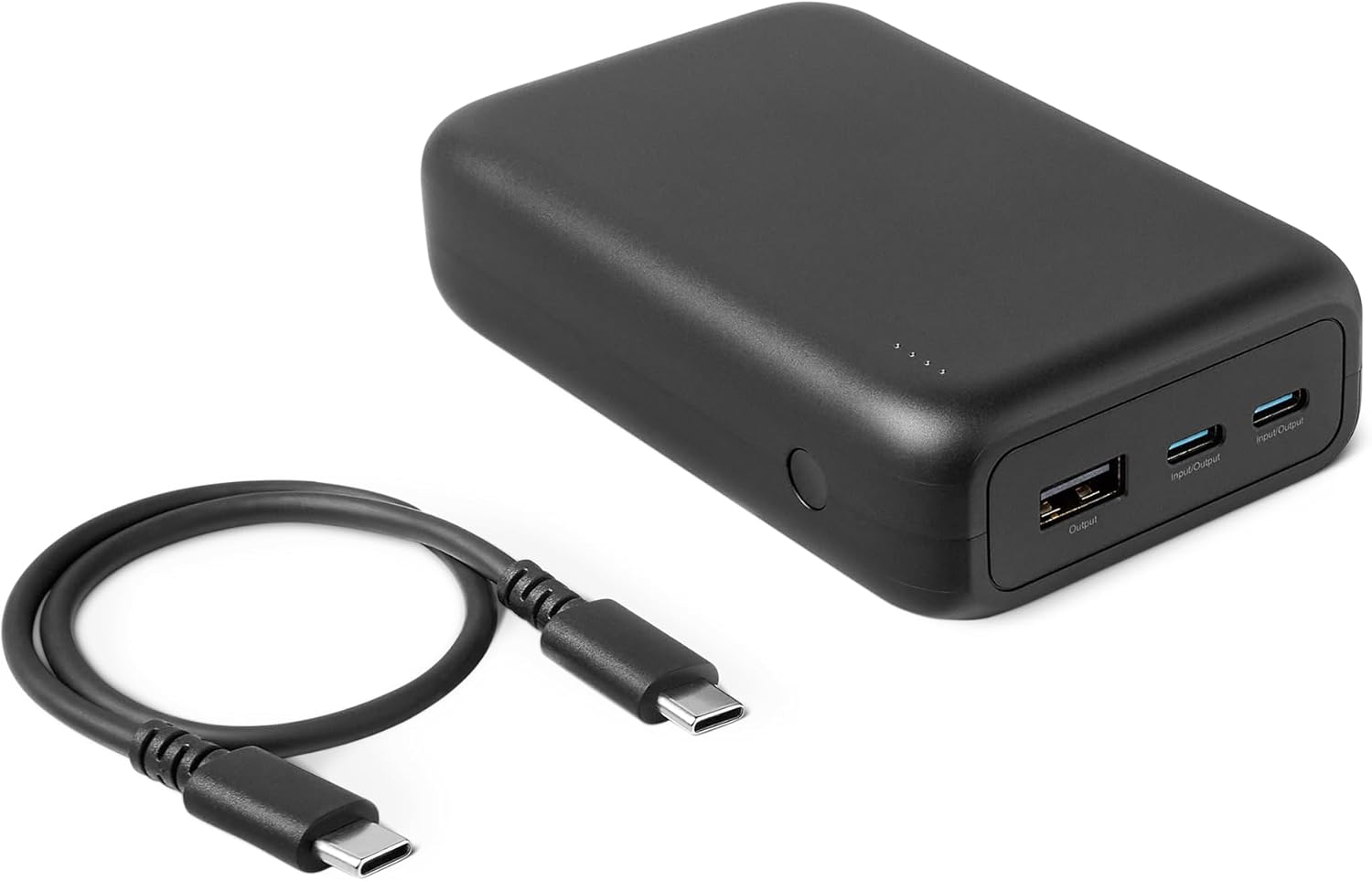
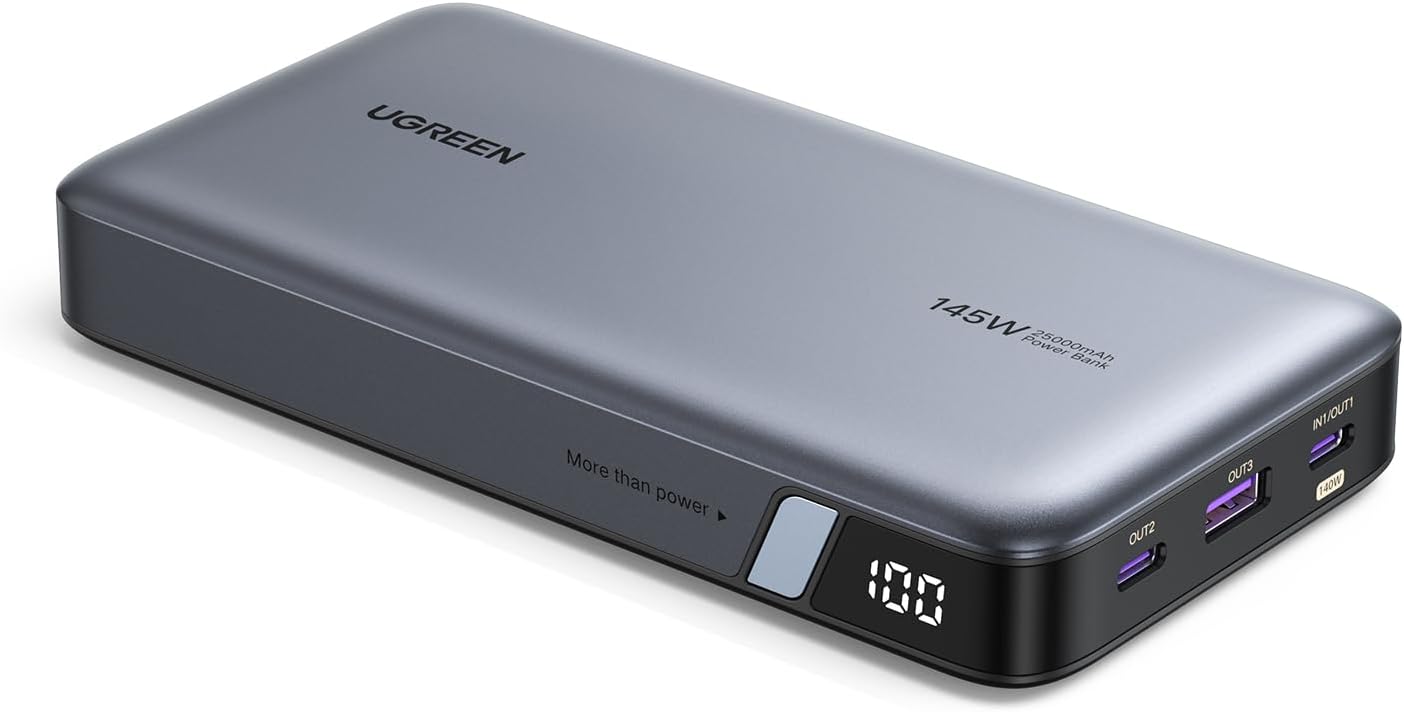
- Conserve phone power and use an already charged power bank if needed.
- Check on anyone whose health, safety or communication depends on electricity.
Build a small power-cut checklist before you need it
The UK Government Be Ready campaign recommends practical household preparation rather than panic buying. Begin with what you already own: a working torch and batteries, written contact details, a suitable charging cable, a charged power bank and a battery or wind-up radio. Keep them somewhere that can be found in the dark.
A power-cut kit is only one part of a wider three-day household plan. Think separately about familiar food, drinking water, warmth, medicines, hygiene, babies, pets, cash and important documents. Review the list gradually and replace only genuine gaps.
Plan for services that also depend on electricity
Home internet, some digital landlines, boilers, heat pumps, telecare and connected health equipment may stop working when mains power is unavailable. Ask the relevant provider how the service behaves during a power cut and what backup arrangement is appropriate. Do not assume a general-purpose power bank can safely run specialist equipment.
If you may need extra support, check whether you can join your supplier's Priority Services Register. Ofgem says eligible customers may receive priority support in an emergency and, where possible, advance notice of scheduled power cuts. Support varies, so contact the supplier or network operator directly.
Use current information, not a frightening headline
Search interest in blackouts can rise after news stories or online claims. Treat that as a reason to check your plan, not as evidence that a particular incident is under way. Current restoration information belongs with the network operator, while weather warnings should come from the Met Office and emergency instructions from the responsible public authority.
Be Readyford is independent and is not a live warning service. Our checklist and equipment pages can help organise household preparation, but they do not predict outages or replace official local information.
Sources & editorial notes
Read our editorial standards and corrections policy or report a correction to the site editor.
This article was published on 15 Nov 2026 and reviewed on 17 Nov 2026 from information available at that time. Conditions and service status can change, so use the dated official sources below for the latest position.
- UK Government Be Ready: power cuts ↗
- UK Government Be Ready: household preparedness ↗
- Powercut 105: find or contact your network operator ↗
- Ofgem: join the Priority Services Register ↗
- Met Office: what to do in a power cut ↗
Be Readyford is independent and is not affiliated with the source organisations or the UK government. Practical suggestions are general household preparedness guidance, not medical, legal or technical advice.
For immediate danger, call 999.
Turn concern into a useful next step.
Power cut and blackout preparation: a UK household checklist.
Start with the things your household needs to do when mains electricity is unavailable. Plan the task first, then check whether your equipment can actually support it.
Read the guide 2 min

Your household emergency plan. Useful details, on paper.
The checklist tells you what to check. A household emergency plan records who will do what, where useful things are kept and how you will find reliable information.
Read the guide 2 min


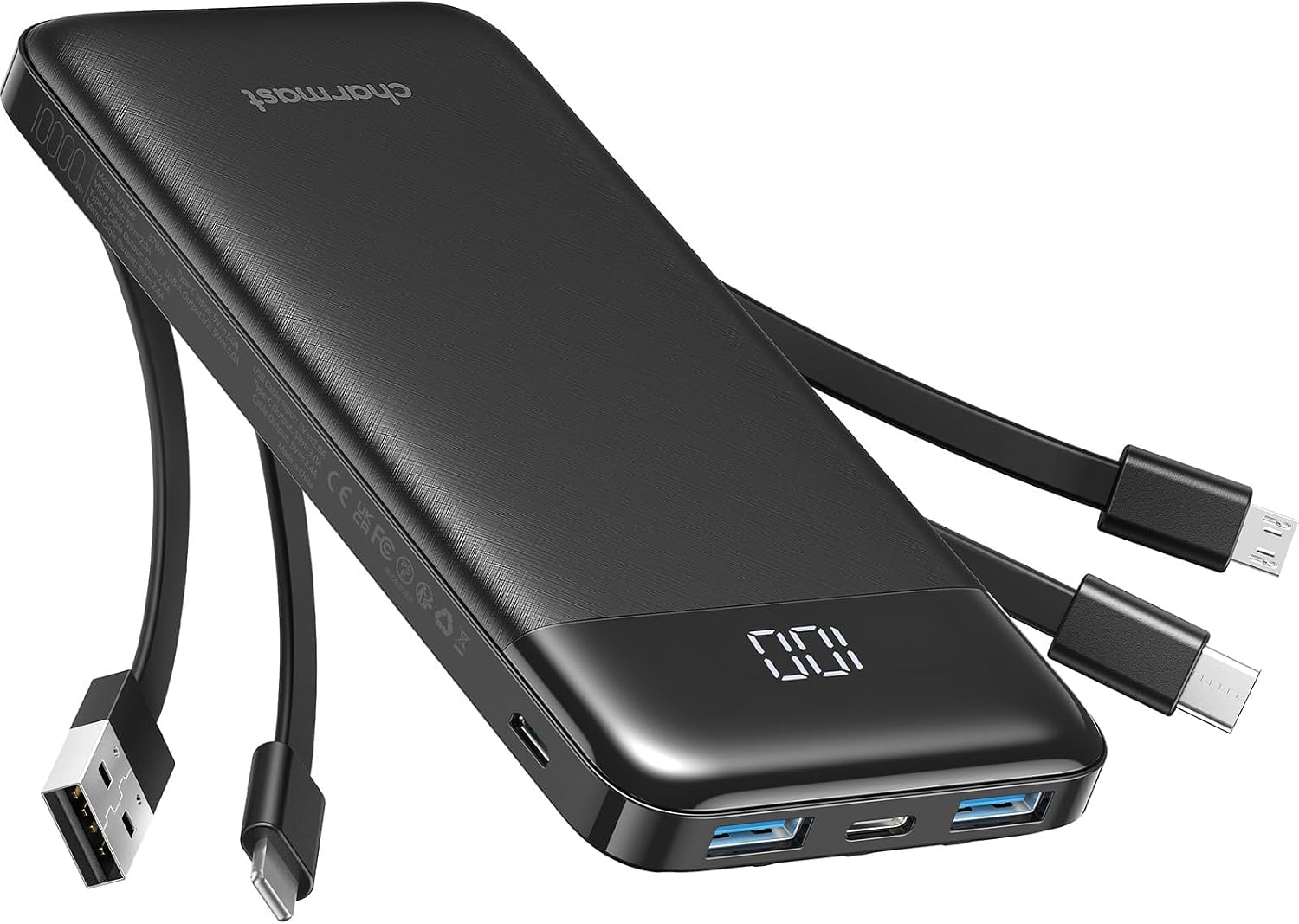
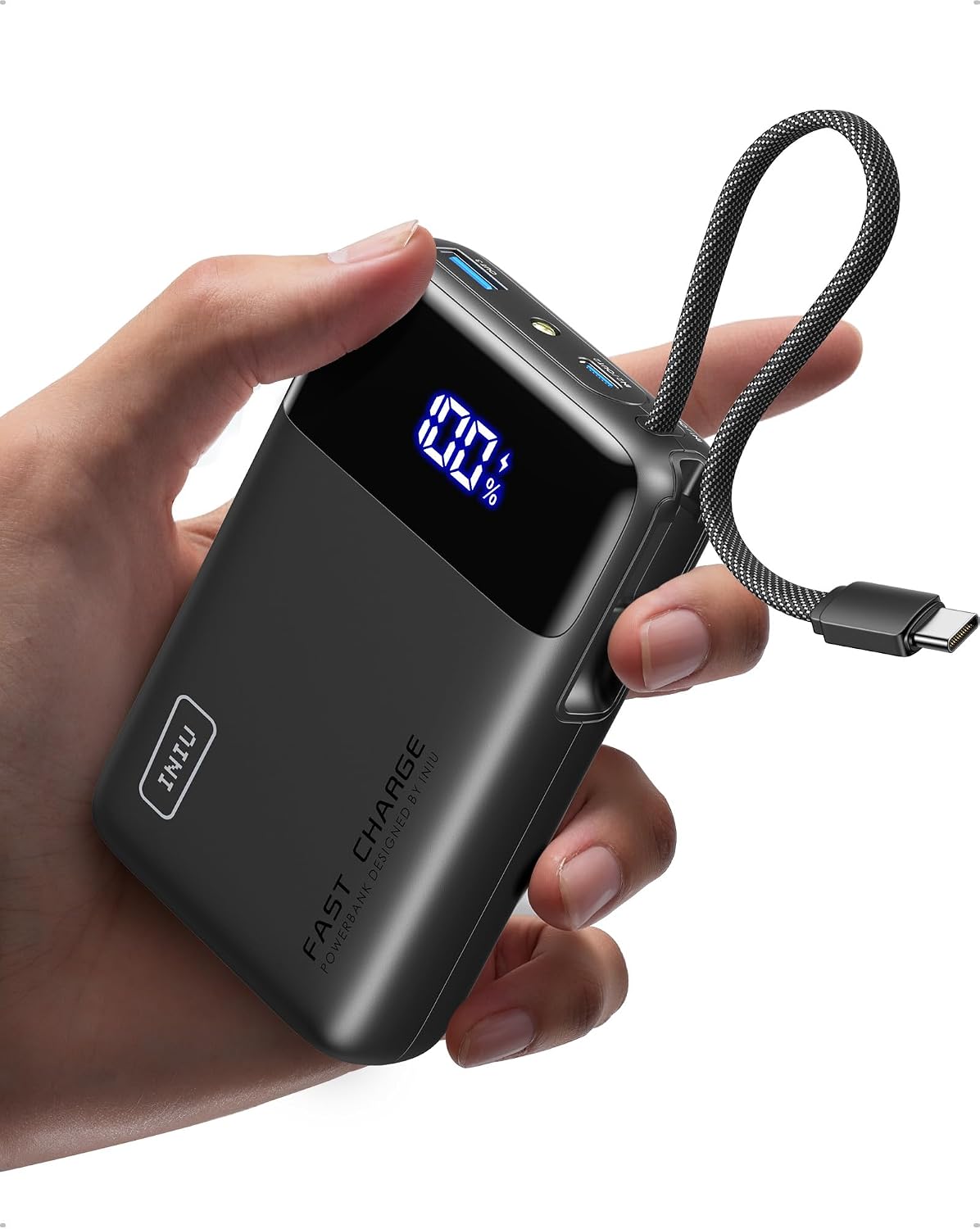
Choosing a power bank for UK power cuts.
For a UK power cut, choose a power bank around the phone or device you need to charge. Capacity, charging output and the cable connection are separate checks; plan each one before buying.
Read the guide 3 min