Checking on older neighbours and relatives in a cold snap
A cold snap is hardest on people who live alone. A five-minute knock can matter more than another gadget.
Start here
UKHSA and GOV.UK winter health guidance says anyone can become unwell if they get too cold, but some people are at higher risk. That includes people aged 65 and over, young children, pregnant women, people with long-term health conditions, people who live alone or have low mobility, and people living in cold or poor-quality housing. Official advice is to check on older neighbours, relatives and friends, particularly those with a health condition.
What to check
Keep it simple and kind. Ask whether they are warm, whether they feel unwell, and whether they need any practical help.
GOV.UK advice on keeping warm and well includes trying to heat the rooms you spend most time in, such as the living room or bedroom, to at least 18°C, reducing draughts, and wearing several thinner layers rather than one thick one. If bad weather is forecast, plan ahead so there is enough food and medication in the house.
Practical help can be ordinary: collecting a prescription, picking up groceries, taking the bins out, or clearing a path. If they might need extra support from an energy or water supplier, mention the Priority Services Register (Customer Care Registers in Northern Ireland).
Make a plan before the temperature drops
Agree who is checking on whom, and how. A scheduled call or message is useful if a relative lives further away. Write important numbers on paper, including a neighbour, a family member, and NHS 111 (in Northern Ireland, contact your GP or GP out-of-hours service).
If they use medical equipment that needs power, or have a telecare alarm, it is worth checking they know what happens in a power cut, and that someone nearby has a spare key if they have chosen to share one.
The UKHSA and Met Office Weather Health Alerting system issues cold-health alerts in England when vulnerable people may be affected. They are not always UK-wide, so check what applies to your area rather than assuming a headline covers everyone.
If you are worried
If you are worried about your own or someone else's health, official advice is to contact a pharmacist, a GP or NHS 111 (in Northern Ireland, contact your GP or GP out-of-hours service). In an emergency, call 999.
A check does not have to be dramatic. Uncollected post, closed curtains in the daytime, or someone who seems unusually confused or drowsy are reasons to take concerns seriously and get advice.
A free household checklist, and a guide to supporting family, neighbours and pets, are at Be Readyford.
Frequently asked questions
What if I do not know my neighbours well?
A short introduction on a cold day is still useful. You can say you are checking that people in the street have what they need, and leave a note with your name and number if they are not in.
What should I not do?
Do not force your way into someone's home, and do not give medical advice. If you are worried, get advice from a pharmacist, a GP or NHS 111 (in Northern Ireland, contact your GP or GP out-of-hours service), and call 999 in an emergency.
Does this replace a household emergency kit?
No. A kind check is the first step. They may still need a torch they can find in the dark, some drinking water, and a way to stay warm if the heating or power fails. See our guides on supporting family, neighbours and pets and keeping warm safely in a power cut.
Sources & editorial notes
Read our editorial standards and corrections policy or report a correction to the site editor.
This article was published on 24 Nov 2026 from information available at that time. Conditions and service status can change, so use the dated official sources below for the latest position.
- gov.uk — top tips for keeping warm and well this winter ↗
- ukhsa.blog.gov.uk — the surprising ways cold weather can affect your health ↗
- beready.campaign.gov.uk — power cuts ↗
Be Readyford is independent and is not affiliated with the source organisations or the UK government. Practical suggestions are general household preparedness guidance, not medical, legal or technical advice.
For immediate danger, call 999.
Turn concern into a useful next step.
How to prepare for a UK power cut at home
Start with the things your household needs to do when mains electricity is unavailable. Plan the task first, then check whether your equipment can actually support it.
 VARTA L10RH Dynamo Lantern↗
 Energizer Fusion Compact Lantern↗
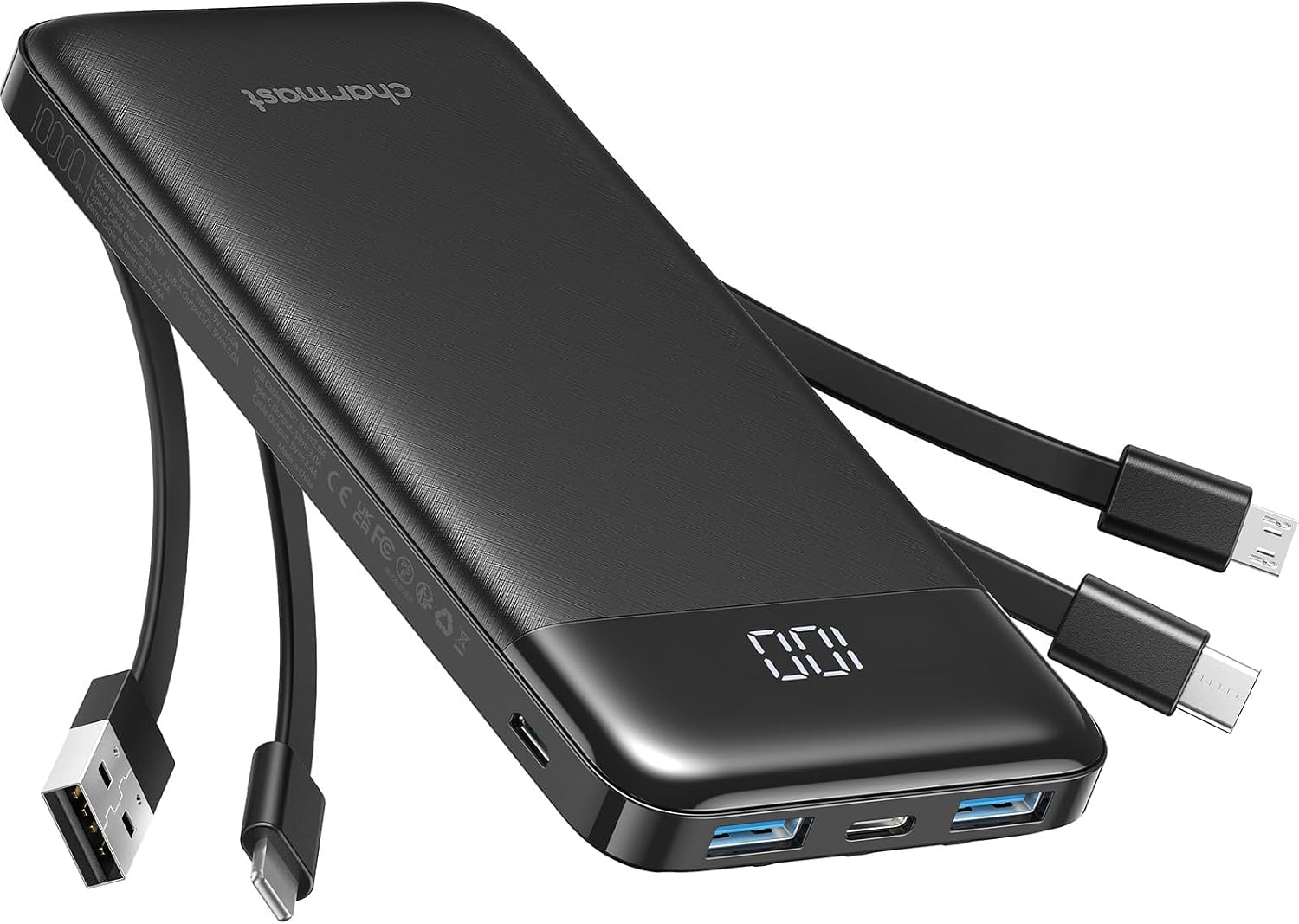 Charmast power bank↗
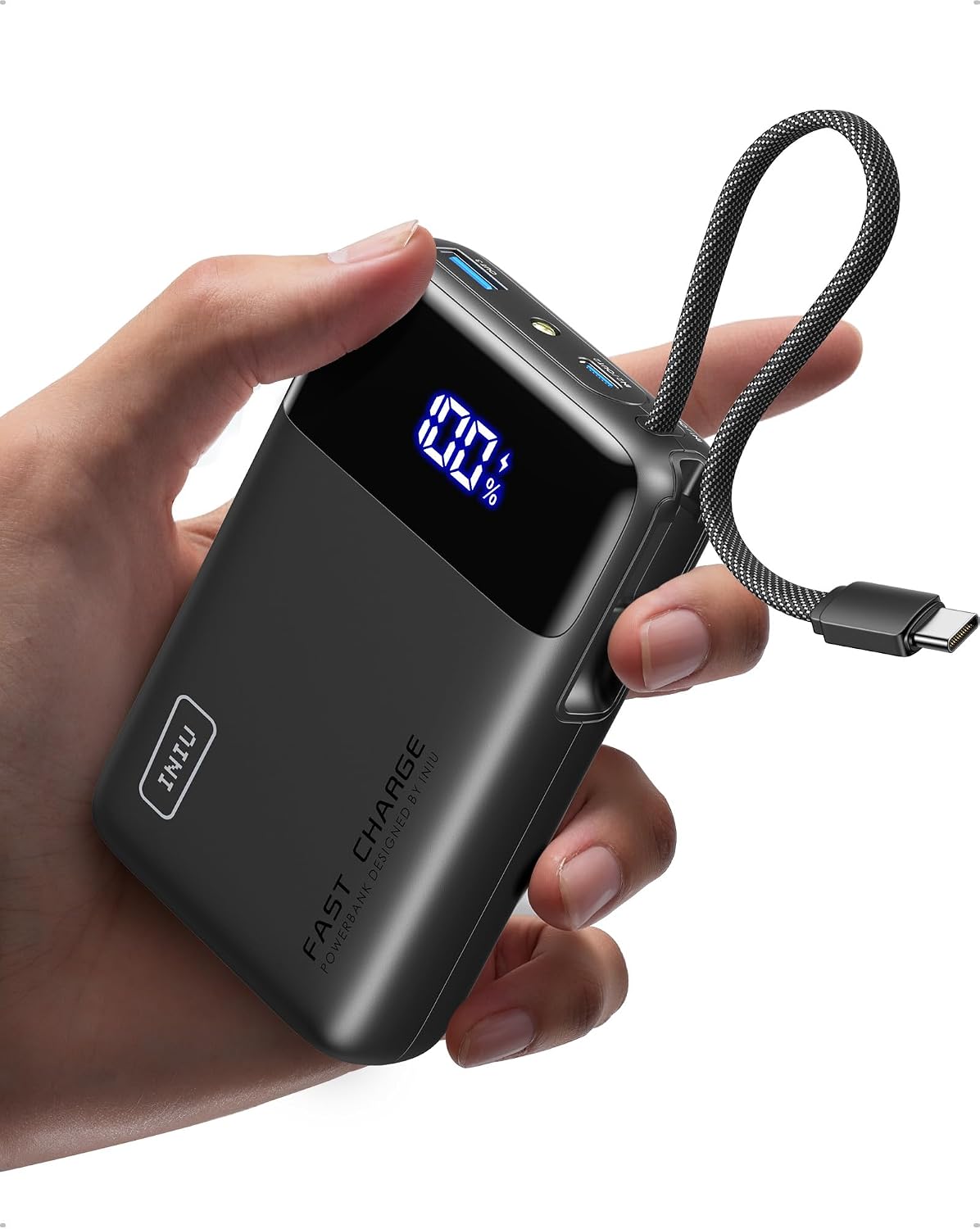 INIU 20,000mAh bank↗
Your household emergency plan. Useful details, on paper.
The checklist tells you what to check. A household emergency plan records who will do what, where useful things are kept and how you will find reliable information.
 Lepro LED Pen Torch (2-Pack)↗
 Compact first aid kit↗
 1410 Outdoor 5L Water Container↗Charmast power bank↗
What size power bank do I need for a UK power cut?
For a UK power cut, choose a power bank around the phone or device you need to charge. Capacity, charging output and the cable connection are separate checks; plan each one before buying.
Read the guide 4 min