Yellow ice and snow warnings: check before travel
A yellow ice warning runs from 6pm on Monday 16 November to 10am on Tuesday 17 November. A separate yellow snow warning runs from midnight to midday on Tuesday for parts of northern England, the Midlands and southern Scotland, mainly affecting higher ground.
What the two warnings say
The Met Office issued the yellow ice warning at 10:30am on Sunday 15 November. It is valid from 6pm on Monday 16 November until 10am on Tuesday 17 November and covers parts of northern England and much of Scotland. The official warning map and affected-authority list should be checked directly because the boundary may not match a whole region.
The warning says rain and hill snow will clear southeast, with temperatures then falling below freezing. Icy stretches may develop on untreated surfaces. Wintry showers could make conditions more difficult in northern Scotland, with some snow possible at lower levels for a time.
A separate yellow snow warning was issued at 5:15pm on Sunday 15 November. It is valid from midnight to midday on Tuesday 17 November for parts of northern England, the Midlands and southern Scotland. Snow is most likely to settle at about 100 metres or higher, with possible disruption on higher routes and some temporary snow below that level.
The Met Office describes both warnings as high likelihood with moderate impact. Expected effects include difficult journeys, delays on some higher routes and injuries from slips or falls. These are location-specific warnings, not a declaration that all of the UK is facing severe disruption.
Before the temperature falls
Check the Met Office warning and the forecast for the places you will actually visit. If you need to travel, check road conditions and public-transport updates, allow at least a few extra minutes and prefer main routes that are more likely to have been treated. Do not rely on a screenshot or an undated social-media post because warning areas and timings can change.
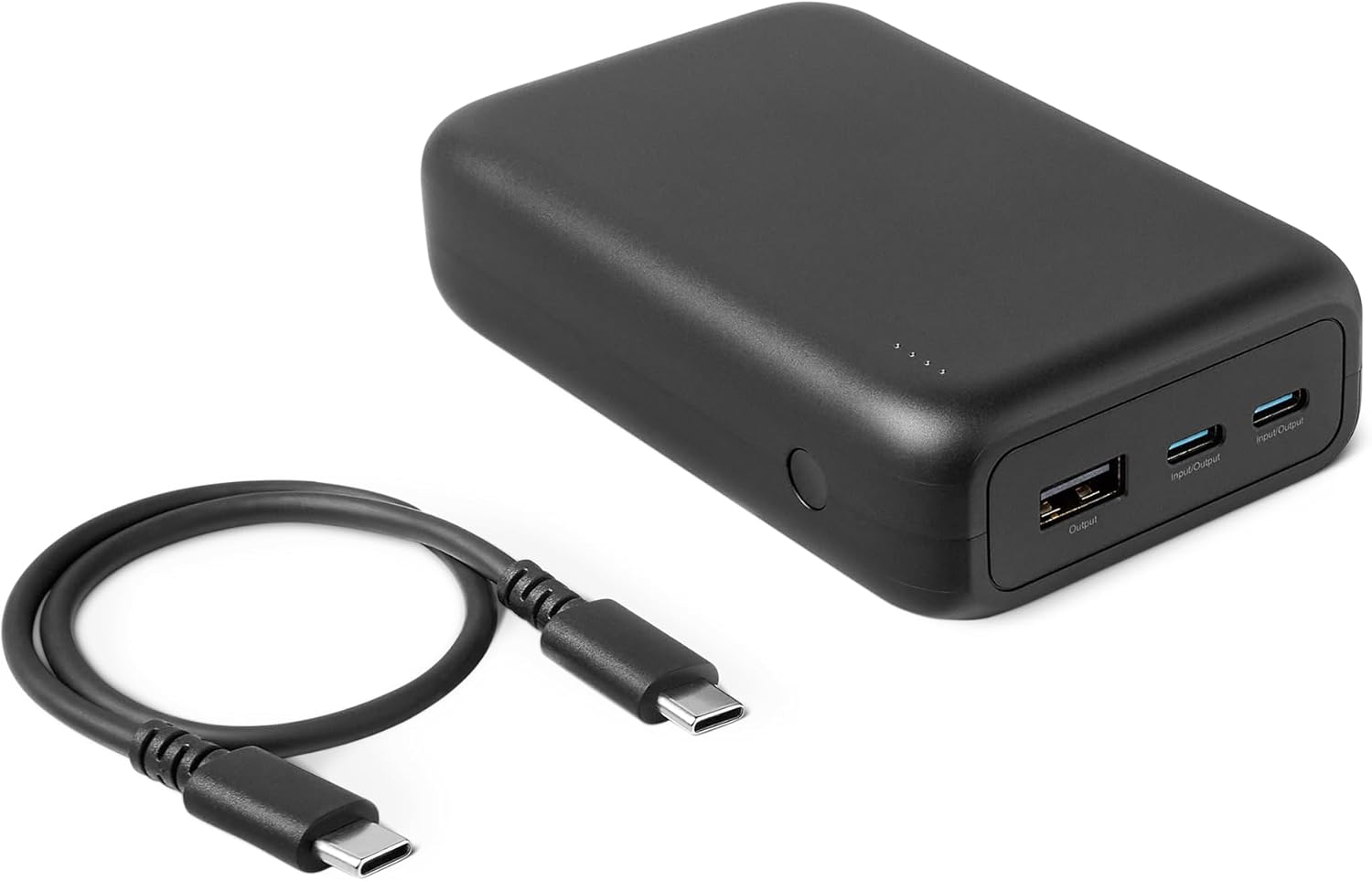
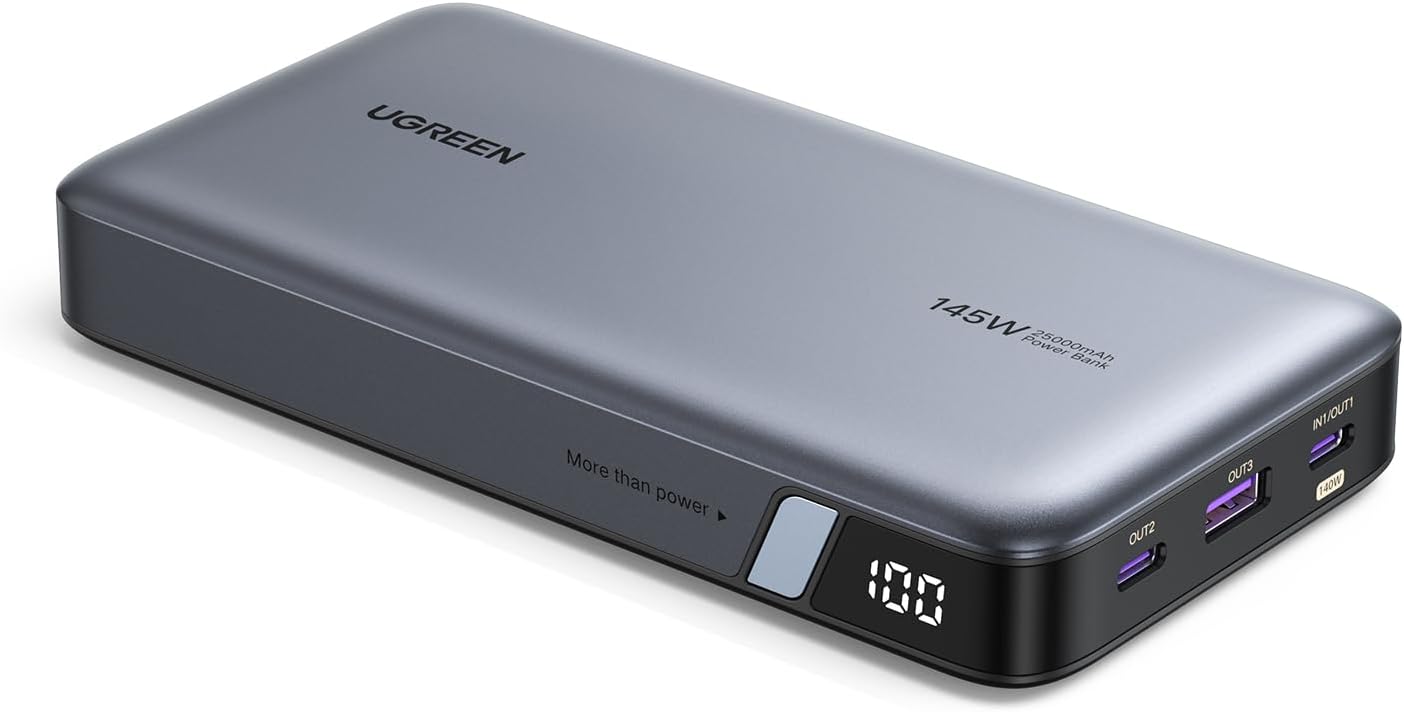
Put sturdy, grippy footwear and a working torch somewhere easy to reach before dark. Charge your phone, and charge a power bank if you already use one. If a journey is optional, consider whether it can be moved to daylight or until conditions improve rather than taking an avoidable risk on untreated surfaces.
At home, find your inside stop tap and check exposed pipes are protected. If a pipe freezes, follow current water-company or Met Office guidance and thaw it slowly; never use a naked flame. These are sensible winter checks, not a prediction that your household will lose water or power.
- Check the live Met Office warning map and your local forecast.
- Review the route, road conditions and transport timetable before leaving.
- Place suitable footwear, warm layers and a torch by the door.
- Charge essential devices and write down important contact numbers.
- Arrange a check-in for anyone who may need help in icy conditions.
Make the household plan fit the people in it
Think first about anyone who is older, very young, has reduced mobility, depends on care or may struggle to stay warm. Agree who will check in, how medicines or essential supplies would be collected safely and which official source will be used for updates.
A UKHSA yellow cold-health alert also remains in force for the North East, North West and Yorkshire and the Humber until 9am on Thursday 19 November. That alert concerns possible health impacts for vulnerable people and is separate from the Met Office ice warning. Check both official services if they apply to your area or household.
Use the household checklist to record genuine gaps in lighting, charging, warmth, food, drinking water, medicines and contacts. Start with what you already have. A short weather warning does not create evidence of a shortage, and buying a pre-made equipment list does not replace a personal plan.
Keep checking the official position
The Met Office can update, extend or cancel a warning as forecasts change. Recheck the warning before the evening and again before a morning journey. Follow local authority, transport operator, electricity network or emergency-service instructions if they issue advice for a specific incident.
Be Readyford is independent and is not a live warning service. This article records the official position reviewed at 8:40am on 16 November 2026. It does not predict a power cut, water interruption, product shortage or wider emergency.
If someone is in immediate danger, call 999. For urgent health advice when it is not an emergency, use NHS 111.
Sources & editorial notes
Read our editorial standards and corrections policy or report a correction to the site editor.
This article was published on 16 Nov 2026 from information available at that time. Conditions and service status can change, so use the dated official sources below for the latest position.
- Met Office: UK weather warnings ↗
- Met Office: UK national forecast ↗
- UK Government Be Ready: cold weather, snow and ice ↗
- UKHSA: first cold-health alert of winter 2026/27 ↗
Be Readyford is independent and is not affiliated with the source organisations or the UK government. Practical suggestions are general household preparedness guidance, not medical, legal or technical advice.
For immediate danger, call 999.
Turn concern into a useful next step.
Power cut and blackout preparation: a UK household checklist.
Start with the things your household needs to do when mains electricity is unavailable. Plan the task first, then check whether your equipment can actually support it.
Read the guide 2 min

Your household emergency plan. Useful details, on paper.
The checklist tells you what to check. A household emergency plan records who will do what, where useful things are kept and how you will find reliable information.
Read the guide 2 min


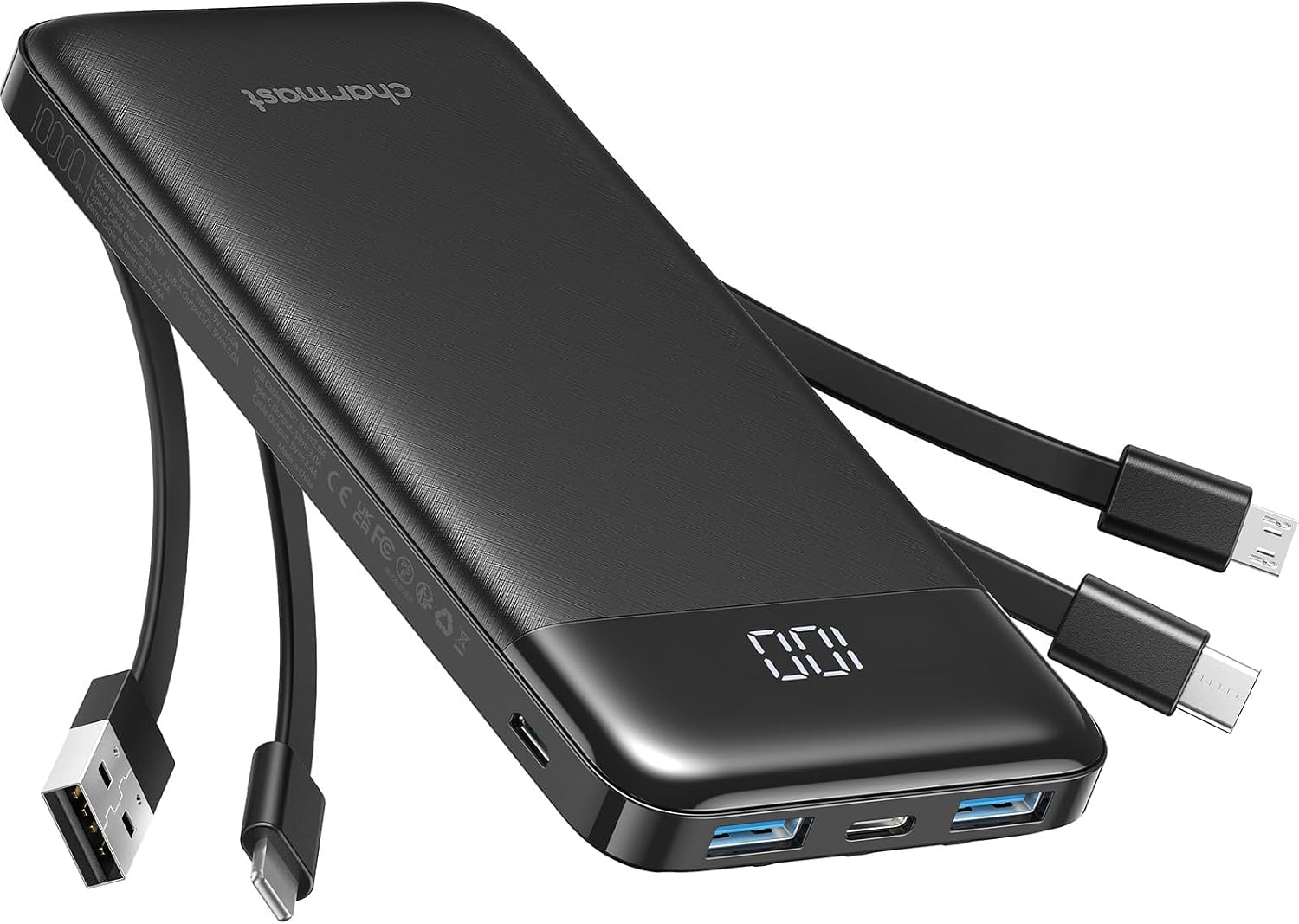
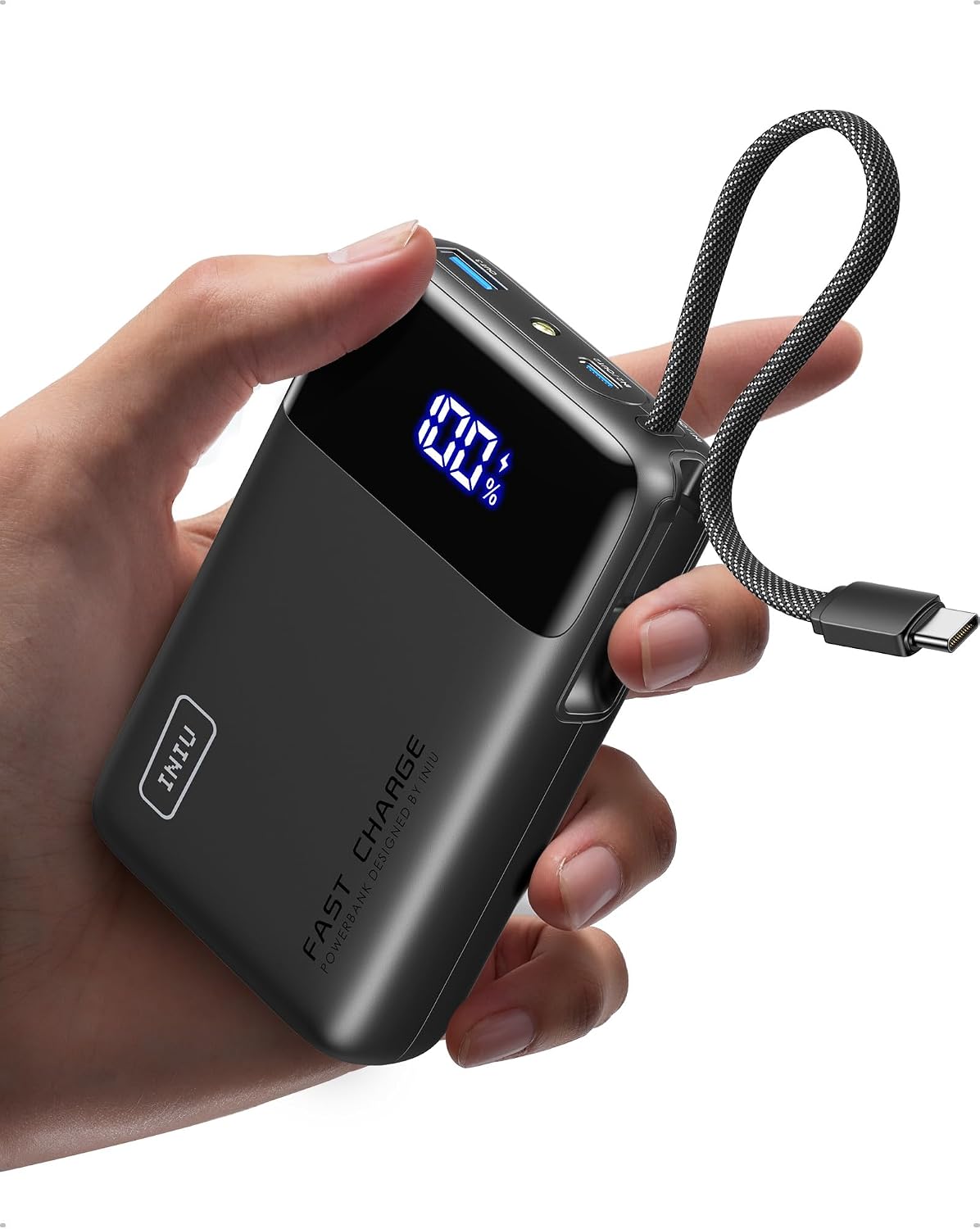
Choosing a power bank for UK power cuts.
For a UK power cut, choose a power bank around the phone or device you need to charge. Capacity, charging output and the cable connection are separate checks; plan each one before buying.
Read the guide 3 min