Yellow cold-health alert from 15 November: a calm household check
A yellow cold-health alert applies to the North East, North West and Yorkshire and the Humber from 9pm on 15 November to 9am on 19 November. The alert is targeted at health impacts, especially for people who may be more vulnerable to cold.
What the alert says — and what it does not say
The UK Health Security Agency updated its cold-health alert on 14 November. A yellow alert applies to the North East, North West and Yorkshire and the Humber from 9pm on Sunday 15 November until 9am on Thursday 19 November. At the time of review, other regions of England were unaffected.
UKHSA says yellow alerts may be issued when cold conditions are unlikely to affect most people but could affect people who are particularly vulnerable. The system mainly helps health and social-care services, responders and community organisations prepare for possible health impacts.
This is not a national emergency declaration and it is not the same as a Met Office National Severe Weather Warning. The Met Office forecast issued at 4am on 15 November expected temperatures to fall well below freezing in northern areas overnight, with widespread rural frost. Conditions vary by location, so check the forecast and any warnings for your postcode before changing plans.
A ten-minute check for your household
Start with people rather than products. Consider whether anyone in your household is aged 65 or over, has a long-term health condition, is pregnant, is very young, has reduced mobility or may struggle to keep warm. UKHSA and NHS guidance emphasises checking in on friends, relatives and neighbours who may need practical support.
Make sure regularly used rooms can be heated comfortably where possible. Official guidance suggests aiming for at least 18°C in rooms such as the living room and bedroom, particularly for people with health conditions. Wear several thin layers, keep bedroom windows closed at night and stay gently active indoors if you can.
Check that necessary medicines, familiar food and essential household supplies are available so nobody has to make an avoidable trip in icy conditions. Agree who will check the local forecast and who will contact a relative or neighbour. Use the household checklist to record genuine gaps rather than buying in a rush.
- Check the UKHSA dashboard and your local Met Office forecast.
- Test the heating and keep radiators or heaters clear and safely used.
- Put warm layers, blankets and suitable footwear somewhere easy to reach.
- Confirm essential medicines, food and contact numbers are available.
- Arrange a check-in with anyone who may need extra help.
Protect pipes without creating another risk
Cold nights can freeze exposed plumbing. Find your inside stop tap before you need it and make sure household members know where it is. The Met Office advises insulating vulnerable pipes and keeping the details of a WaterSafe-approved plumber available.
If a pipe appears frozen, turn off the inside stop tap and follow the official instructions. Thaw it slowly with hot-water bottles or towels soaked in hot water. Never use a naked flame or blowtorch. If water has leaked near electrics, do not touch them; follow the Met Office safety steps and obtain qualified help.
These checks are preparation, not a prediction that your pipes will freeze. Property type, insulation and local temperature all matter.
Know when to seek help
Cold weather can worsen existing health problems. NHS guidance says people who are older or otherwise at higher risk should seek advice promptly if they feel unwell. A pharmacist or GP can advise on non-emergency concerns; use NHS 111 online or call 111 for an urgent medical problem when you are unsure what to do.
Hypothermia is a medical emergency. Follow NHS advice and call 999 if someone is in immediate danger. Do not rely on a preparedness article for diagnosis or treatment.
Be Readyford is independent and is not a live warning service. This article records the official position available at 8am on 15 November 2026. Check UKHSA and the Met Office directly because alerts, affected areas and forecasts can change.
Sources & editorial notes
Read our editorial standards and corrections policy or report a correction to the site editor.
This article was published on 15 Nov 2026 from information available at that time. Conditions and service status can change, so use the dated official sources below for the latest position.
- UKHSA: cold-health alerts winter 2026/27 ↗
- UKHSA data dashboard: current cold-health alerts ↗
- Met Office: UK national forecast ↗
- UK Government Be Ready: cold weather, snow and ice ↗
- NHS: winter vaccinations and winter health ↗
- Met Office: frozen or burst pipes ↗
Be Readyford is independent and is not affiliated with the source organisations or the UK government. Practical suggestions are general household preparedness guidance, not medical, legal or technical advice.
For immediate danger, call 999.
Turn concern into a useful next step.
Power cut and blackout preparation: a UK household checklist.
Start with the things your household needs to do when mains electricity is unavailable. Plan the task first, then check whether your equipment can actually support it.
Read the guide 2 min

Your household emergency plan. Useful details, on paper.
The checklist tells you what to check. A household emergency plan records who will do what, where useful things are kept and how you will find reliable information.
Read the guide 2 min


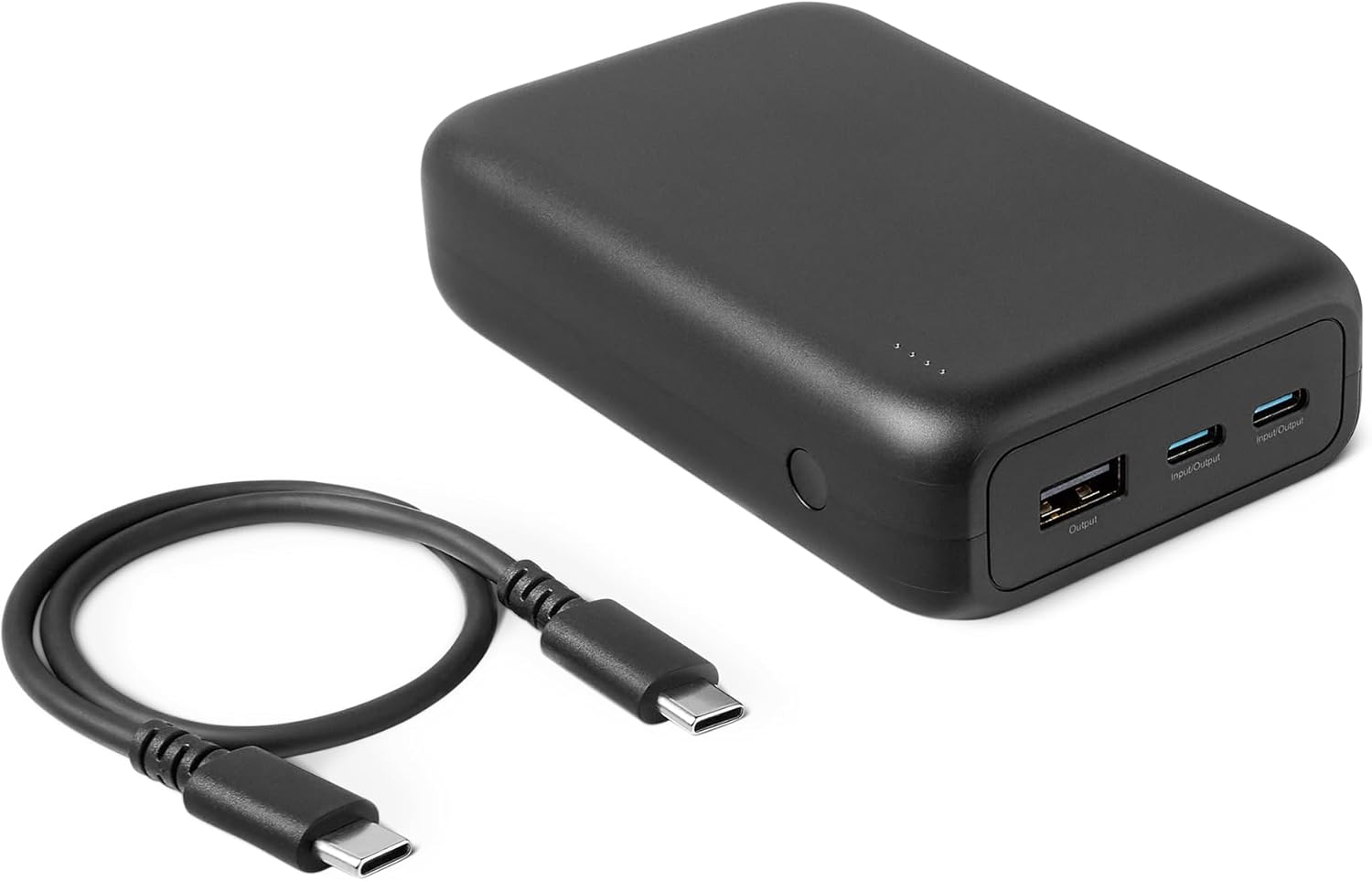
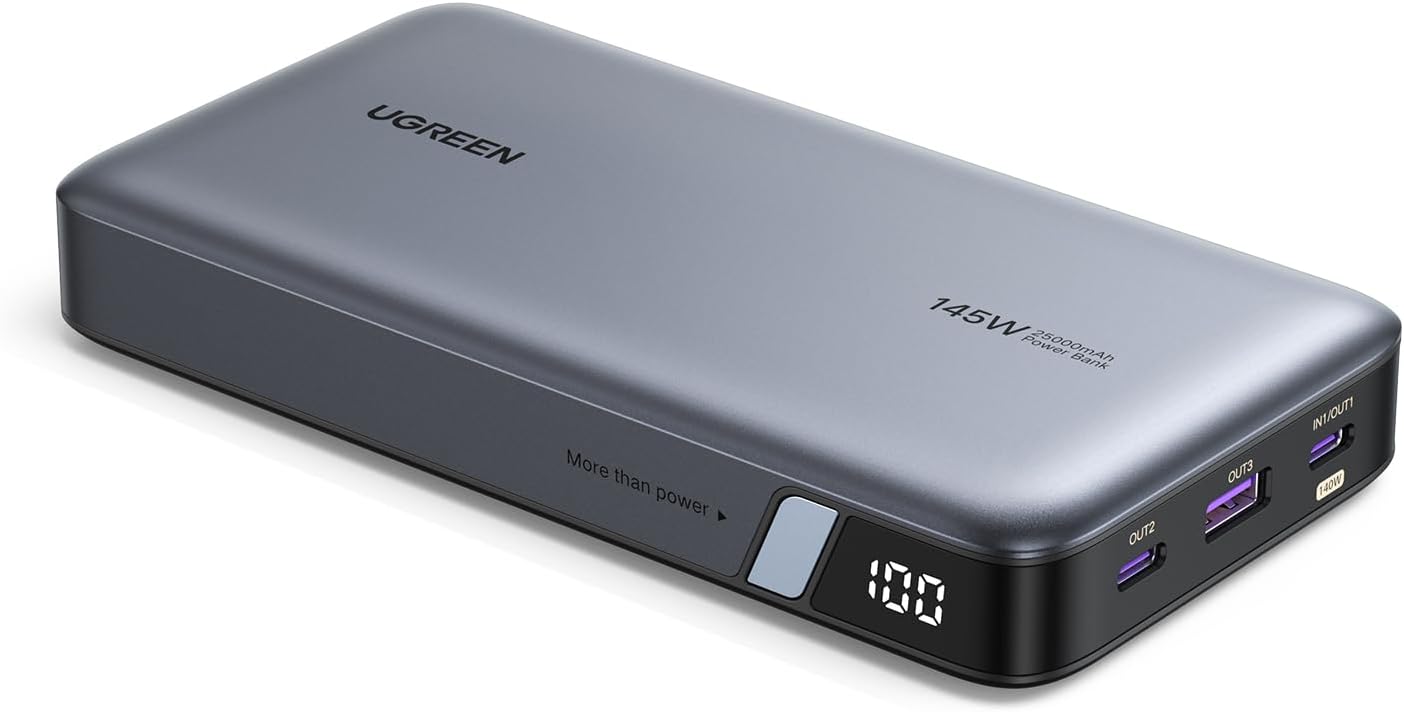
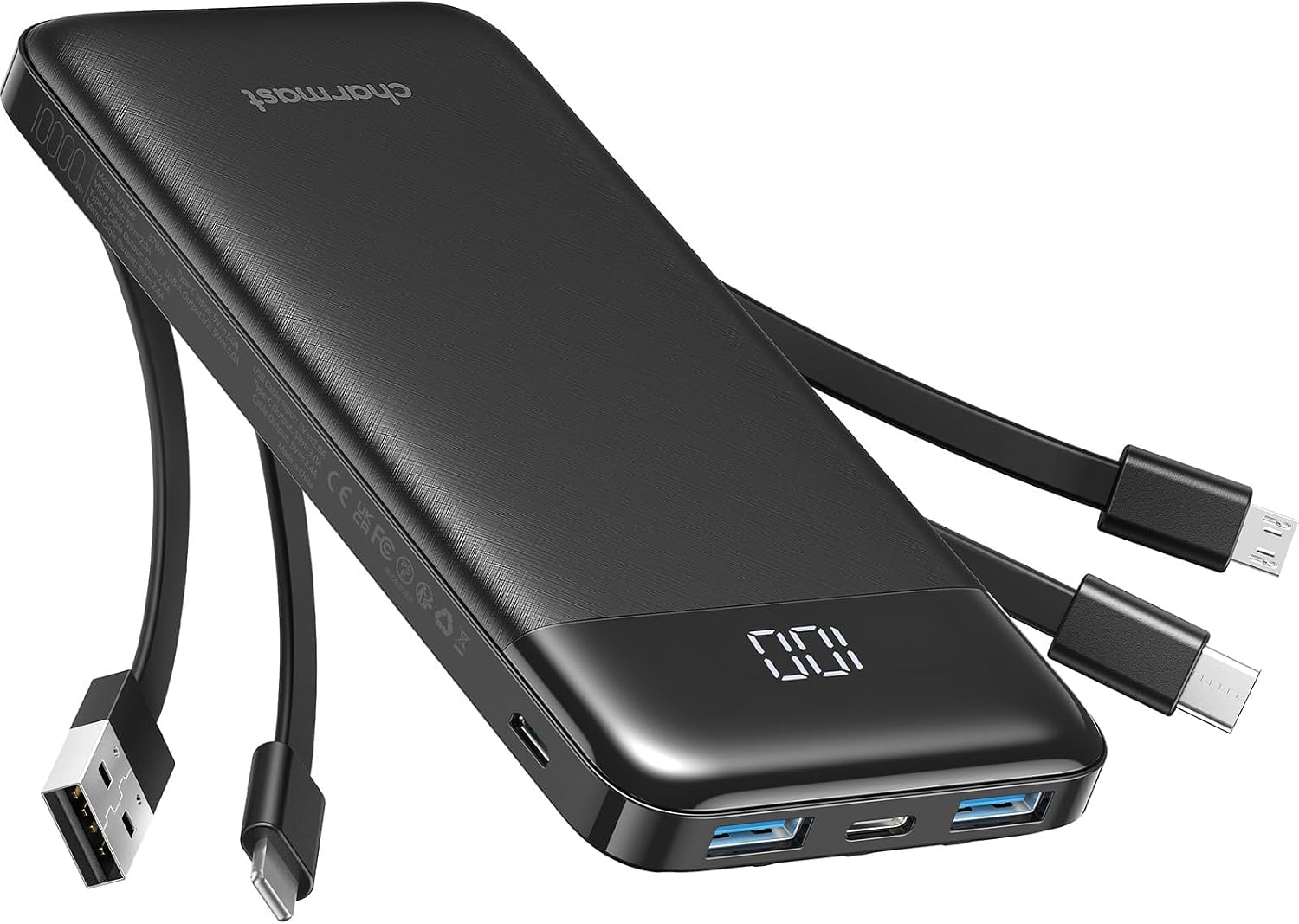
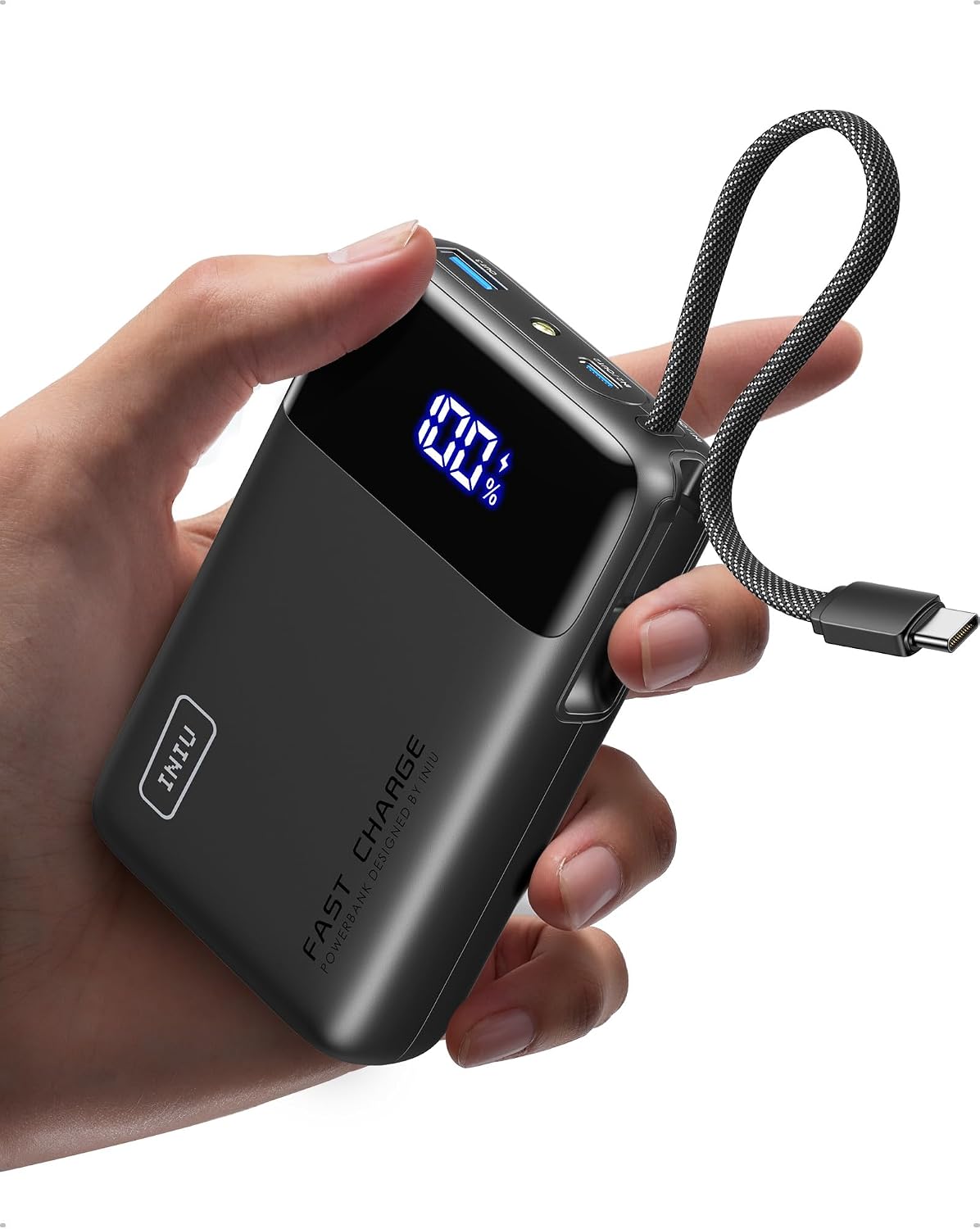
Choosing a power bank for UK power cuts.
For a UK power cut, choose a power bank around the phone or device you need to charge. Capacity, charging output and the cable connection are separate checks; plan each one before buying.
Read the guide 3 min