Who would get the flood warning in your household?
If the person who signed up is on a night shift or has changed phones, who will see the message? Take five minutes to check where your household’s flood warnings go.
Start with the phone that would ring
Ask everyone at home one question: “If a flood warning came overnight, whose phone would ring?” If two people point at each other, open the flood warning service together. In England, the Environment Agency offers free messages for eligible areas. You need an email address to register and can choose a call, text or email. Pick a contact method you can actually reach at night.
If you signed up before moving house or changing your number, sign in and review the area and contact details. A number that still belongs to you may be on a work phone you leave in a drawer all weekend.
Give the message a second person to reach
Imagine the message arrives while you are at work and someone else is collecting the children. Agree who will call that person and where they can read the official local notice. Put the names and numbers on your household checklist. If you live alone, you could agree a check-in with a neighbour or relative.
Try the handover now. Ask the other person to find the local notice using the link you shared. That quick rehearsal tells you whether they can open it without your phone or password.
Know what a quiet phone can tell you
The English service covers rivers, the sea and, in some areas, groundwater. Surface-water flooding falls outside its warning coverage. Heavy rain can therefore affect your street without triggering a message. Check the local flood forecast when making plans.
At 07:55 on Saturday 21 November, the Environment Agency listed 12 alerts across England. For the current position, use the official list. The GOV.UK sign-up page also points households in Scotland, Wales and Northern Ireland to their respective services.
Sources & editorial notes
Read our editorial standards and corrections policy or report a correction to the site editor.
This article was published on 21 Nov 2026 from information available at that time. Conditions and service status can change, so use the dated official sources below for the latest position.
- GOV.UK — get flood warnings by text, phone or email ↗
- Environment Agency — flood forecast and current alerts for England ↗
Be Readyford is independent and is not affiliated with the source organisations or the UK government. Practical suggestions are general household preparedness guidance, not medical, legal or technical advice.
For immediate danger, call 999.
Turn concern into a useful next step.
How to prepare for a UK power cut at home
Start with the things your household needs to do when mains electricity is unavailable. Plan the task first, then check whether your equipment can actually support it.
 VARTA L10RH Dynamo Lantern↗
 Energizer Fusion Compact Lantern↗
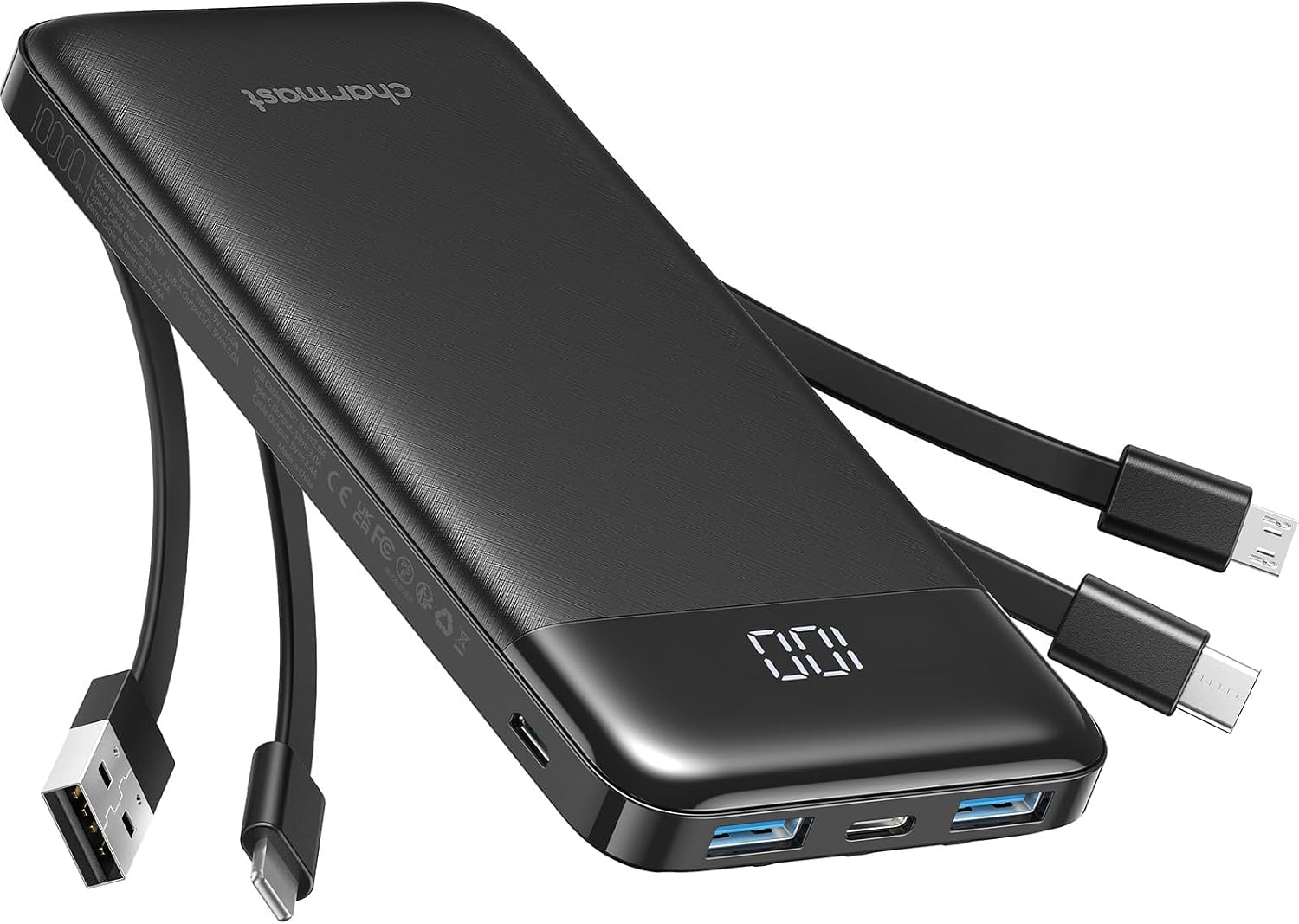 Charmast power bank↗
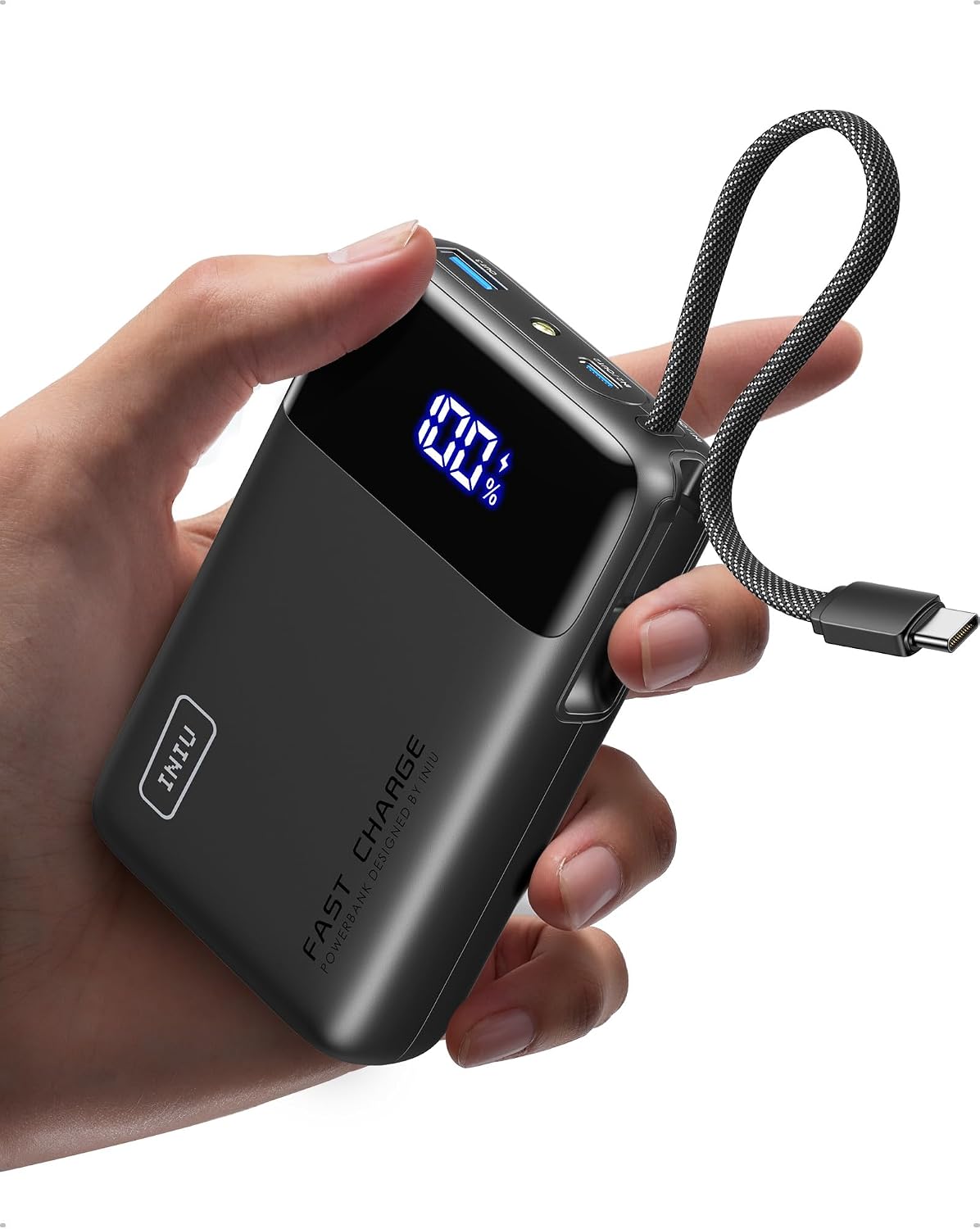 INIU 20,000mAh bank↗
Your household emergency plan. Useful details, on paper.
The checklist tells you what to check. A household emergency plan records who will do what, where useful things are kept and how you will find reliable information.
 Lepro LED Pen Torch (2-Pack)↗
 Compact first aid kit↗
 1410 Outdoor 5L Water Container↗Charmast power bank↗
What size power bank do I need for a UK power cut?
For a UK power cut, choose a power bank around the phone or device you need to charge. Capacity, charging output and the cable connection are separate checks; plan each one before buying.
Read the guide 4 min