If you had to leave with your pet tonight, who would take the carrier?
A carrier in the loft is little help at the front door. Agree who will take your pet, where you can go together and what the person meeting you needs to know.
Start with the person who is actually at home
Imagine a warning arrives while the person who usually looks after the cat is on a night shift. Could someone else find the carrier, close the latch and say where they are taking her? Try the simple part now: ask another member of the household to fetch the empty carrier without giving directions. Agree on a place for it that works for both of you.
This morning there was a reason to think about the overnight version of that question. In its 23:49 update on Sunday 22 November, the Environment Agency warned of flooding around Leat Cottages and the B3254 at Yeolmbridge and Ham Mill on the River Ottery. Anyone in the area should read the latest local notice and follow instructions from the authorities.
Ask one specific question about somewhere to stay
“Could our cat stay with you overnight, and is there a room where we could shut the door?” gets a more useful answer than “Could you help in an emergency?” Tell the person how many animals you have and what space or equipment they need. Put the agreed address and a phone number on paper.
The Environment Agency says many evacuation centres accept pets. Check the arrangements with the council or centre if you are directed there. If your agreed destination cannot be reached safely, follow the emergency services’ directions. Never cross floodwater to collect an animal or belongings.
Leave a handover note beside the lead or carrier
Write down the pet’s name, your mobile number, the vet’s number, the usual food and where any prescribed medicine and its instructions are kept. Add one detail only you might know, such as which cat needs the separate food bowl. A neighbour can use that note even if your phone battery runs down.
While it is safe and dry, put the lead or carrier, a bowl and a portion of the usual food together. Ask the person who might help to read the note. If they have to ring you to find the food or the vet’s number, that is the detail to add to your household checklist.
Sources & editorial notes
Read our editorial standards and corrections policy or report a correction to the site editor.
This article was published on 23 Nov 2026 from information available at that time. Conditions and service status can change, so use the dated official sources below for the latest position.
- Environment Agency — personal flood plan, including pets and animals ↗
- GOV.UK — what to do before or during a flood ↗
- Environment Agency — River Ottery at Yeolmbridge and Ham Mill ↗
Be Readyford is independent and is not affiliated with the source organisations or the UK government. Practical suggestions are general household preparedness guidance, not medical, legal or technical advice.
For immediate danger, call 999.
Turn concern into a useful next step.
How to prepare for a UK power cut at home
Start with the things your household needs to do when mains electricity is unavailable. Plan the task first, then check whether your equipment can actually support it.
 VARTA L10RH Dynamo Lantern↗
 Energizer Fusion Compact Lantern↗
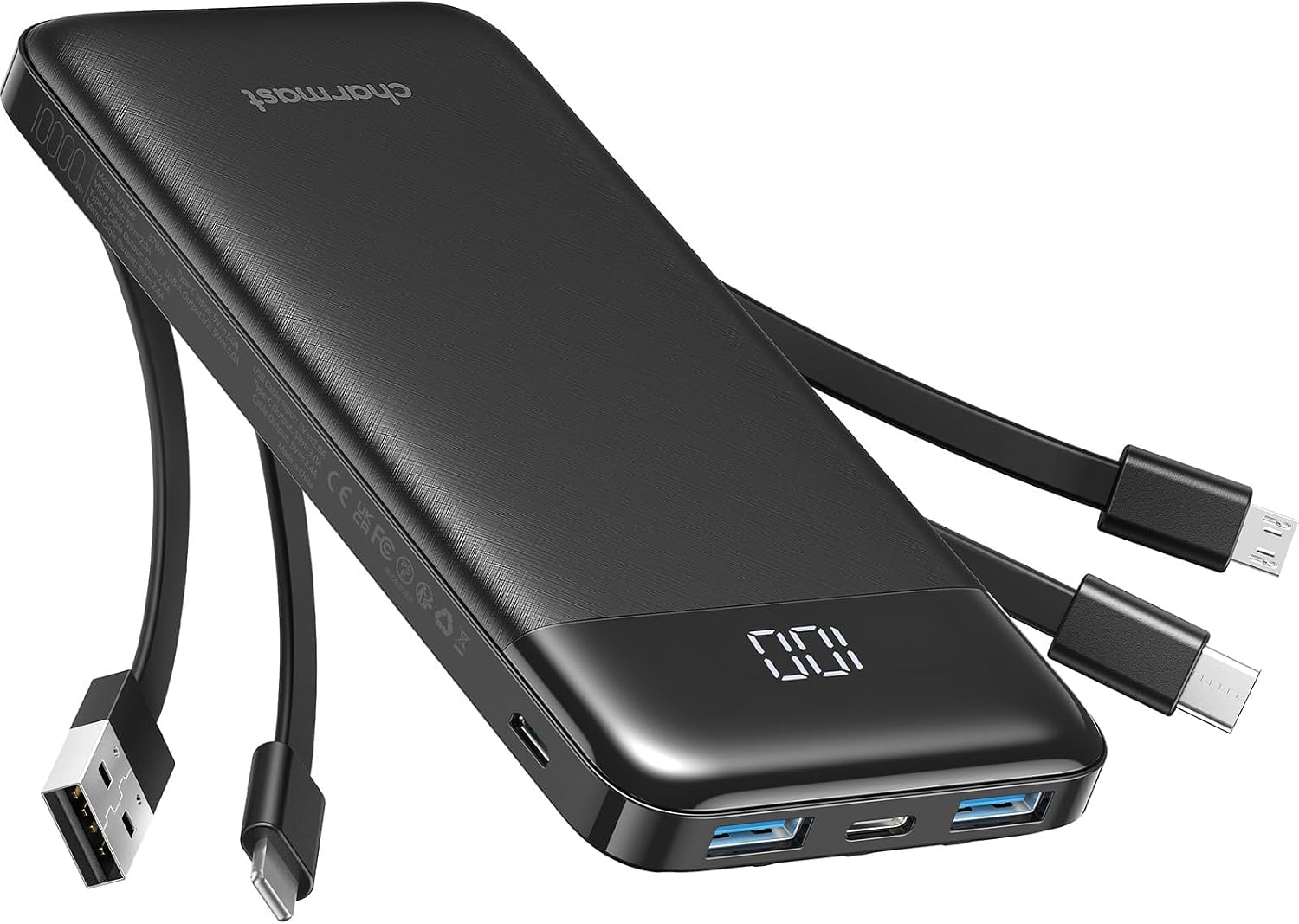 Charmast power bank↗
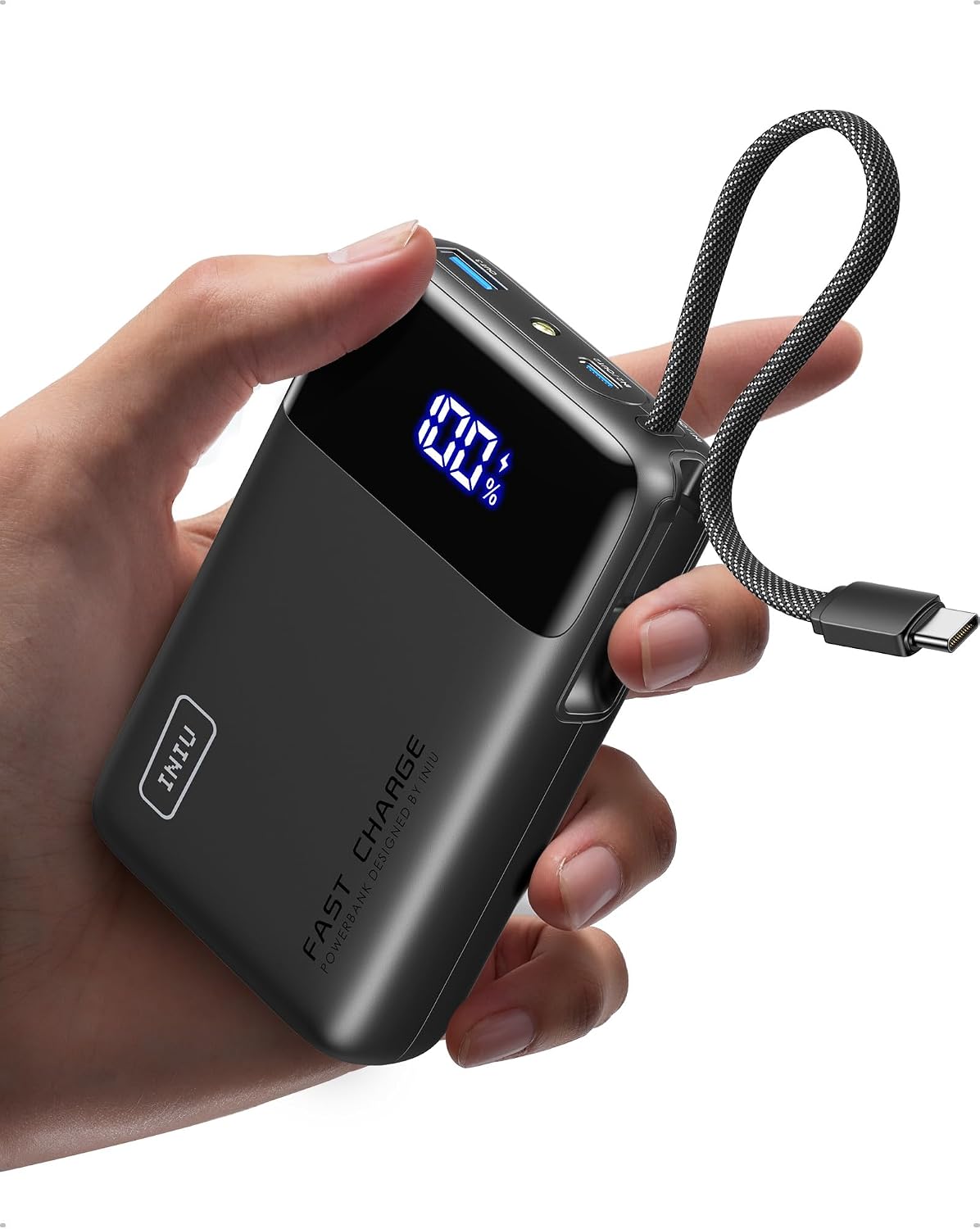 INIU 20,000mAh bank↗
Your household emergency plan. Useful details, on paper.
The checklist tells you what to check. A household emergency plan records who will do what, where useful things are kept and how you will find reliable information.
 Lepro LED Pen Torch (2-Pack)↗
 Compact first aid kit↗
 1410 Outdoor 5L Water Container↗Charmast power bank↗
What size power bank do I need for a UK power cut?
For a UK power cut, choose a power bank around the phone or device you need to charge. Capacity, charging output and the cable connection are separate checks; plan each one before buying.
Read the guide 4 min