Flood Grab Bag Checklist UK: What to Pack Before You Need to Leave
A flood grab bag should help you leave safely, not become a heavy shopping list. Here is how to build one around the people and animals in your household.
What is a flood grab bag — and who needs one?
A flood grab bag is a small set of essentials kept ready in case you need to leave home quickly. The official UK Be Ready flooding guidance suggests considering one in advance, especially if your home is in an area at risk of flooding. It belongs alongside a personal flood plan: where you would go, how household members would contact each other, how pets would travel and who may need extra help.
It is not a complete three-day household store and it does not need to contain every emergency product. The aim is to make a hurried departure safer and simpler. Start with what you already own, use an ordinary comfortable bag if it is suitable, and keep it somewhere everyone in the household can reach.
On the morning this guide was reviewed, the Environment Agency listed two flood warnings and 22 flood alerts in England. The Met Office showed no UK weather warnings for 18 November. Those numbers can change quickly, so use the live GOV.UK flood service for your location rather than relying on this article as an alert.
Pack the things your household cannot easily replace
Begin with essential prescription medicines and medical supplies, plus a written list of medication names and doses. Do not delay repeat prescriptions until an emergency is under way. If someone relies on powered medical equipment, follow the provider's advice and include its instructions and contact details in your household plan.
Put copies of key identification, insurance details, emergency contacts and any information needed for children, caring responsibilities or pets in a resealable waterproof pouch. Include house and vehicle keys, a modest mix of cash and cards, and a paper contact list in case a phone is flat or a number is stored only online. Keep sensitive information to the minimum you genuinely need and store the bag securely.
Add household-specific items before general equipment: ready-to-feed infant formula and nappies where needed, mobility or sensory aids, spare glasses, period products, pet leads or carriers, and a small amount of familiar pet food. A generic checklist cannot know what your household depends on, so this personal step matters most.
Add a small, practical layer of equipment
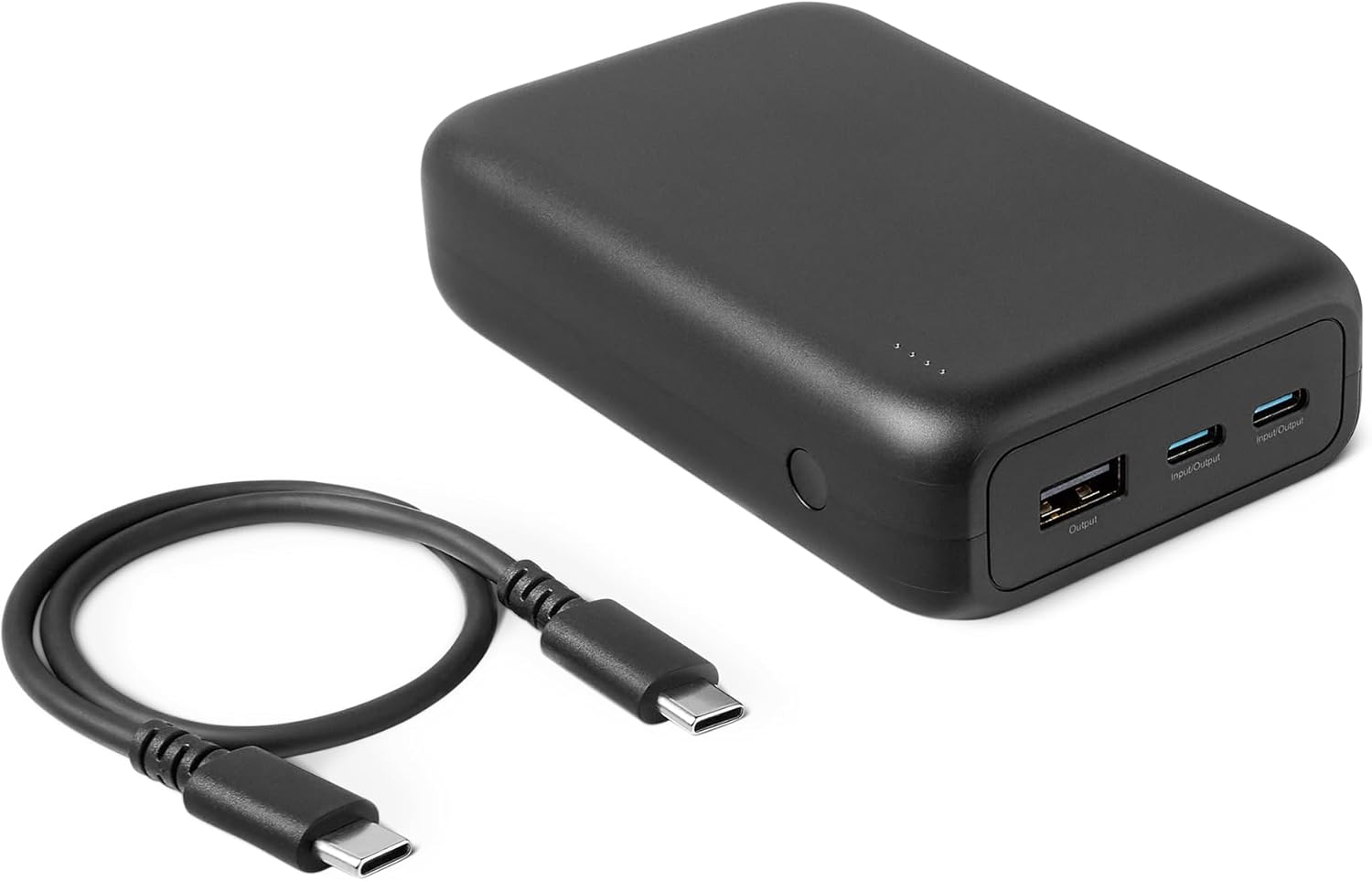
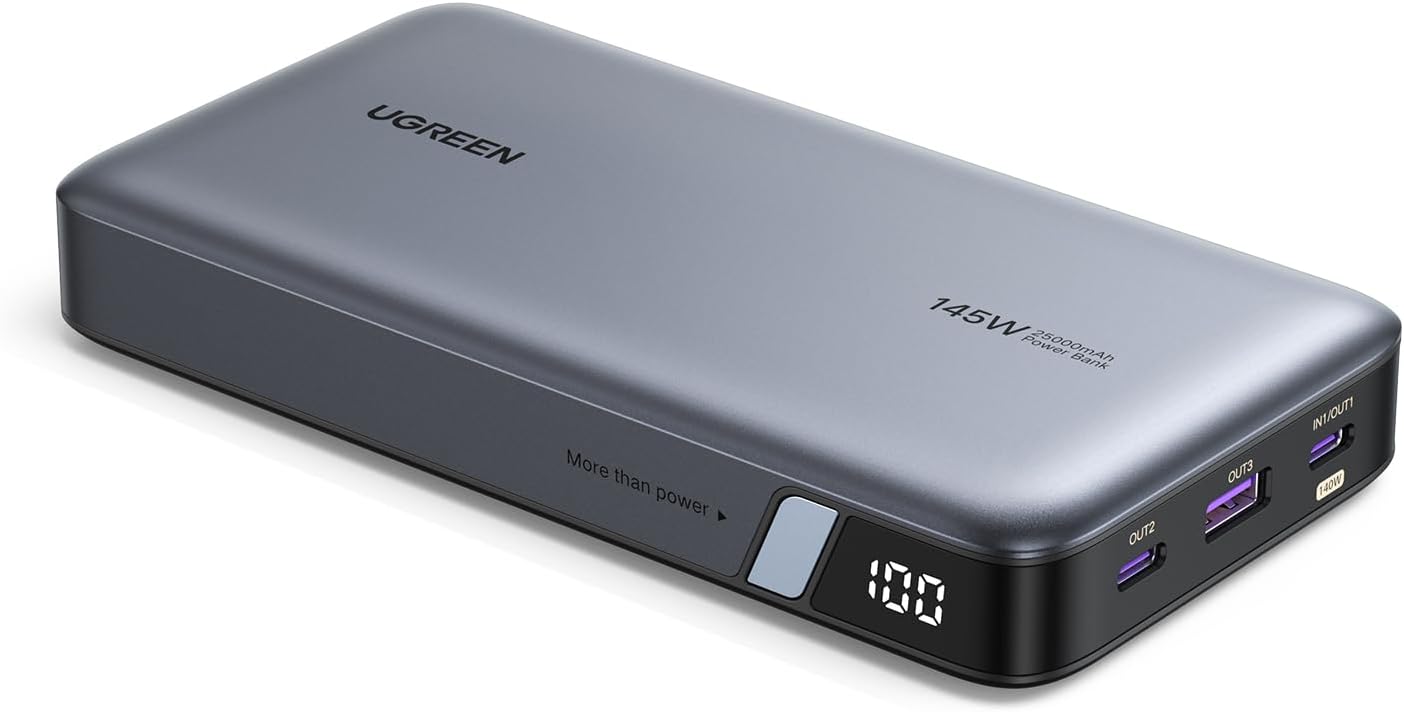
Official guidance commonly includes a working torch with the correct spare batteries, a first aid kit, bottled water, simple snacks, warm waterproof clothing and a battery-powered or wind-up radio. Add a charged phone power bank and the cable that fits your device. Torches are safer than candles during disruption.
The bag is for leaving quickly, so do not try to carry your whole three-day water and food supply in it. Keep wider household supplies separately for times when it is safer to remain at home. Choose food the household can actually eat, check allergies, and avoid items that need cooking or refrigeration.
Avoid overpacking. Test whether the person expected to carry the bag can lift it comfortably, use both hands and move safely. If the household needs more than one bag, divide supplies deliberately and make sure people know which bag contains medicines and important information.
Store it well and review it twice a year
Keep the bag above likely flood water and close to the route you would use to leave, without blocking an exit. Tell everyone where it is. Do not hide it in a loft, locked cupboard or car if that would make it difficult to reach during a warning.
Set a six-month reminder to charge the power bank, test the torch and radio, replace expired food or first aid items, check clothing sizes and update phone numbers, prescriptions and insurance details. Review the plan sooner after a house move, a new baby, a new pet or a change in health or caring needs.
Use Be Readyford's free household checklist to separate what you already have from genuine gaps. The editable readiness kits can be useful for comparing optional equipment, but no package replaces medicines, personal documents, a safe destination or a plan agreed with the people in your home.
When a flood warning is issued, follow the warning first
A flood alert means flooding is possible; a flood warning means flooding is expected. Read the exact local message, act on your personal flood plan and follow the Environment Agency, council and emergency services. If you are told to evacuate, leave promptly and take the grab bag only if it is safe and ready to hand.
Never walk, cycle or drive through flood water. Move people, pets and important items to safety only when doing so does not put anyone at risk. Turn off gas, electricity or water only if official guidance tells you to and it is safe; never touch an electrical switch while standing in water.
Call 999 if someone is in immediate danger. For planning rather than an immediate emergency, check the live flood service, sign up for warnings and complete the Environment Agency's personal flood plan.
Sources & editorial notes
Read our editorial standards and corrections policy or report a correction to the site editor.
This article was published on 18 Nov 2026 from information available at that time. Conditions and service status can change, so use the dated official sources below for the latest position.
- UK Government Be Ready: flooding guidance ↗
- GOV.UK: prepare for flooding ↗
- Environment Agency: personal flood plan ↗
- GOV.UK: what to do before or during a flood ↗
- Met Office: protecting property from flooding ↗
- GOV.UK: live flood alerts and warnings in England ↗
Be Readyford is independent and is not affiliated with the source organisations or the UK government. Practical suggestions are general household preparedness guidance, not medical, legal or technical advice.
For immediate danger, call 999.
Turn concern into a useful next step.
Power cut and blackout preparation: a UK household checklist.
Start with the things your household needs to do when mains electricity is unavailable. Plan the task first, then check whether your equipment can actually support it.
Read the guide 2 min

Your household emergency plan. Useful details, on paper.
The checklist tells you what to check. A household emergency plan records who will do what, where useful things are kept and how you will find reliable information.
Read the guide 2 min


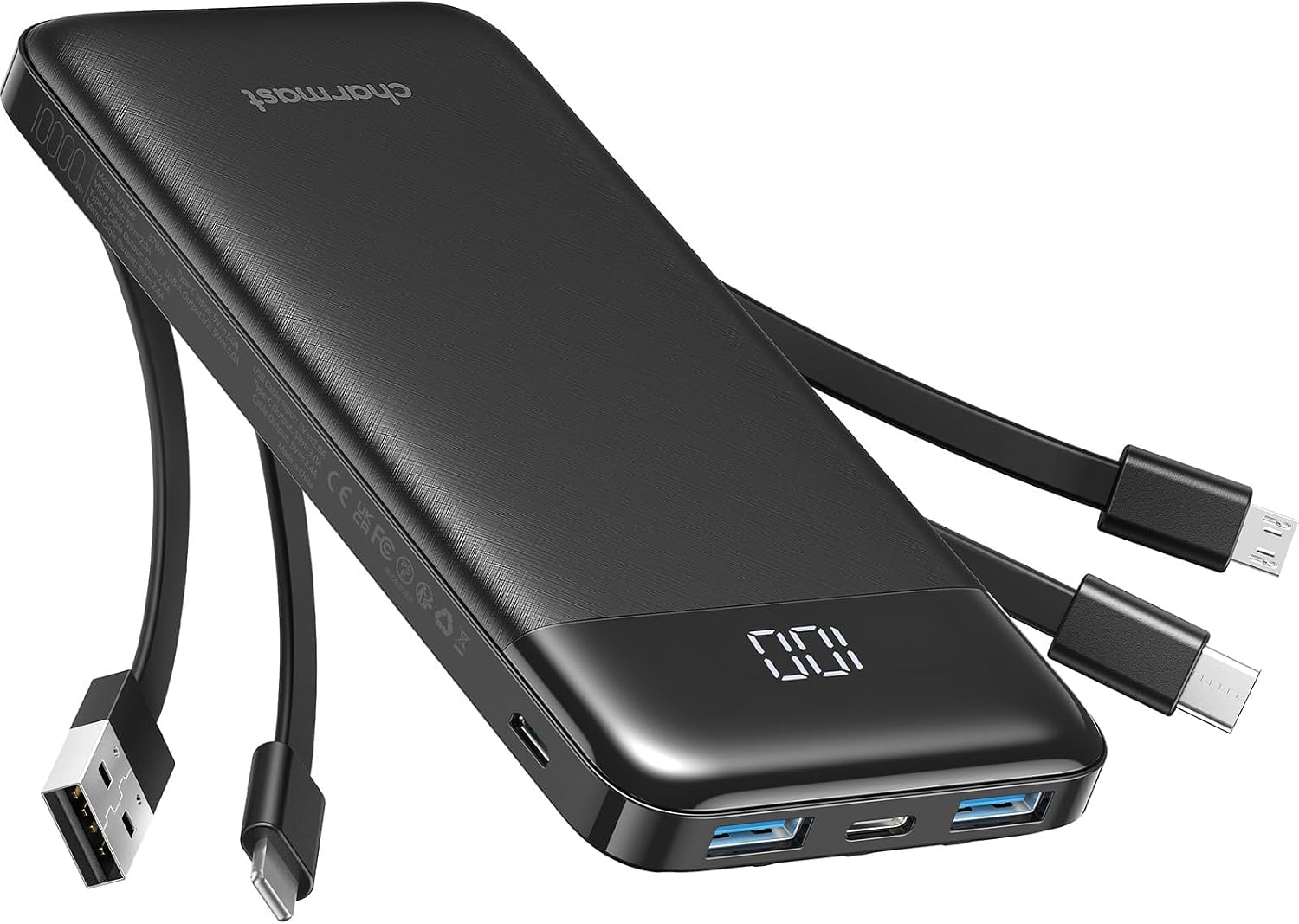
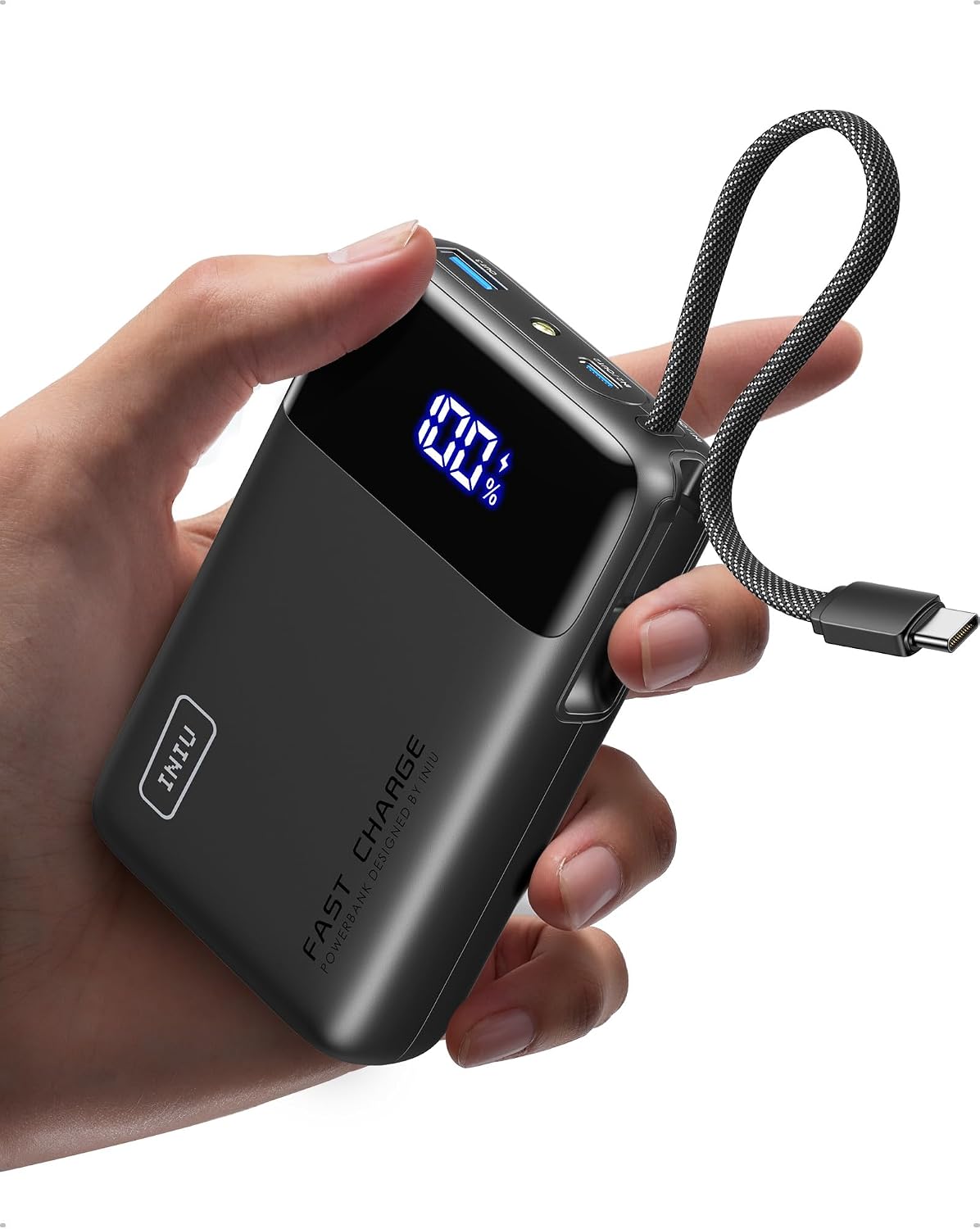
Choosing a power bank for UK power cuts.
For a UK power cut, choose a power bank around the phone or device you need to charge. Capacity, charging output and the cable connection are separate checks; plan each one before buying.
Read the guide 3 min