Will your digital landline work in a power cut? A five-minute check
Many UK landlines now work through a broadband router and need mains electricity. Spend five minutes checking how your household would make an urgent call, whether connected alarms are compatible and what support your provider can offer.
Why the familiar handset may behave differently
Traditional analogue phone lines could power some basic corded handsets from the telephone exchange. A digital landline carries calls through a broadband connection instead. The handset, router and any adaptor therefore normally depend on electricity in the home and may stop working during a power cut unless a suitable backup supply is fitted.
Ofcom says many customers have already moved to digital landlines. If you are unsure, look at where the telephone connects: a phone plugged into the broadband router or an adaptor is likely to be using a digital service. Do not unplug equipment to test it. Ask the provider to confirm the service and explain exactly what happens during a local power cut.
The Government says the migration process and timescale depend on the communications provider. Respond to genuine messages from your provider, but check unexpected calls or emails independently using a known contact number because the switchover is also used as a theme by scammers.
Do this five-minute household check
First, write down the phone and broadband provider, the account or fault number you would need and a separate way to contact them. Check whether there is a charged mobile phone with usable signal at home. Emergency calls can use another available mobile network, but that still depends on at least one network being available where you are.
Next, identify anything else that uses the line or router: a care alarm, health pendant, security alarm, lift phone, fax or other connected device. Contact both the communications provider and the equipment supplier. Compatibility and backup arrangements vary, so a successful ordinary phone call does not prove every connected device will work during an outage.
Finally, agree how household members would call for help, receive official information and check on someone who lives alone. Keep the plan with written contacts, a torch and the household checklist where it can be found in the dark.
- Confirm whether the home phone is analogue, digital or another type of service.
- Tell the provider about unreliable mobile signal, disability, vulnerability or reliance on the landline.
- Check every telecare, alarm or connected device with its own supplier.
- Record a mobile, neighbour or agreed check-in arrangement as a fallback.
- Keep provider and emergency contact details on paper as well as online.
Ask for the support that applies to your household
Ofcom requires providers to protect access to emergency organisations. If a customer depends on the landline to call the emergency services and does not have a working mobile or reliable mobile signal, the provider must offer a suitable backup solution free of charge. Ofcom's minimum is at least one hour, although some providers offer longer-lasting arrangements.
Tell the provider before migration if anyone uses telecare, a health pendant or another lifeline device. GOV.UK says no telecare user should be moved under the industry charter without confirmation that a compatible, functioning solution is in place. Do not assume a generic battery or power bank is suitable for a router, phone adaptor or safety-critical device.
If circumstances change after installation, contact the provider again. A new medical need, a change in mobile coverage or a house move can alter what backup is appropriate.
Keep communications as one part of the wider plan
A backup phone arrangement does not keep every internet service running, and a powered router does not guarantee the wider network will remain available. Use more than one way to receive information where practical, such as a charged mobile and a battery or wind-up radio alongside written contacts.
Review safe lighting, charging, warmth, medicines, food, drinking water and support for anyone who may need help. Start with equipment already in the home and fix only the genuine gaps. Preparedness is a plan, not a prediction that a power cut is about to happen.
Be Readyford is independent and is not a communications provider or emergency service. This article was reviewed at 8:40am on 16 November 2026. Confirm the arrangement for your line and connected devices directly with the relevant providers. If someone is in immediate danger, call 999.
Sources & editorial notes
Read our editorial standards and corrections policy or report a correction to the site editor.
This article was published on 16 Nov 2026 from information available at that time. Conditions and service status can change, so use the dated official sources below for the latest position.
- Ofcom: your landline is going digital ↗
- Ofcom: stay connected in severe weather ↗
- GOV.UK: transition from analogue to digital landlines ↗
- GOV.UK: Public Switched Telephone Network charter ↗
- BT: will Digital Voice work in a power cut? ↗
Be Readyford is independent and is not affiliated with the source organisations or the UK government. Practical suggestions are general household preparedness guidance, not medical, legal or technical advice.
For immediate danger, call 999.
Turn concern into a useful next step.
Power cut and blackout preparation: a UK household checklist.
Start with the things your household needs to do when mains electricity is unavailable. Plan the task first, then check whether your equipment can actually support it.
Read the guide 2 min

Your household emergency plan. Useful details, on paper.
The checklist tells you what to check. A household emergency plan records who will do what, where useful things are kept and how you will find reliable information.
Read the guide 2 min


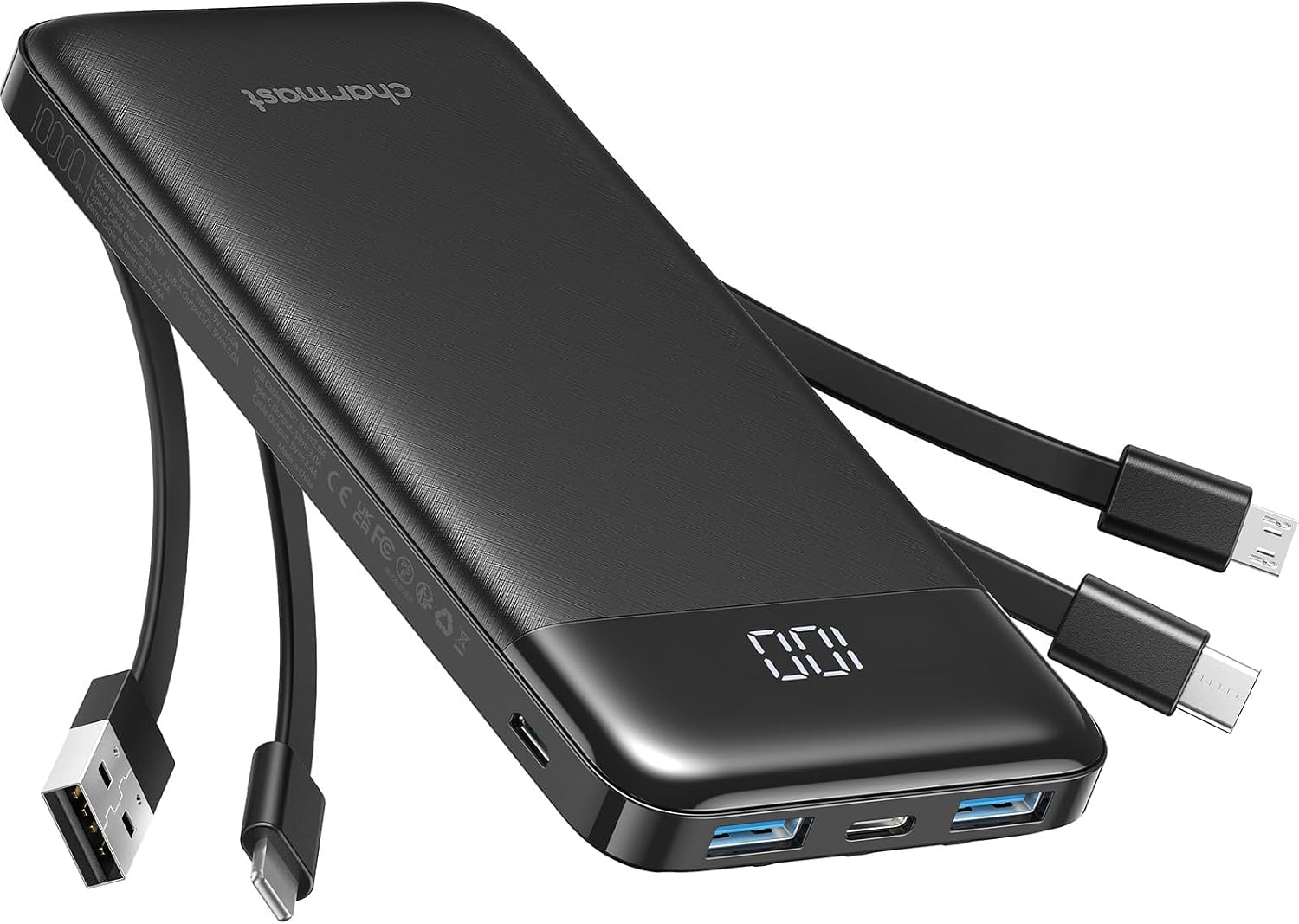
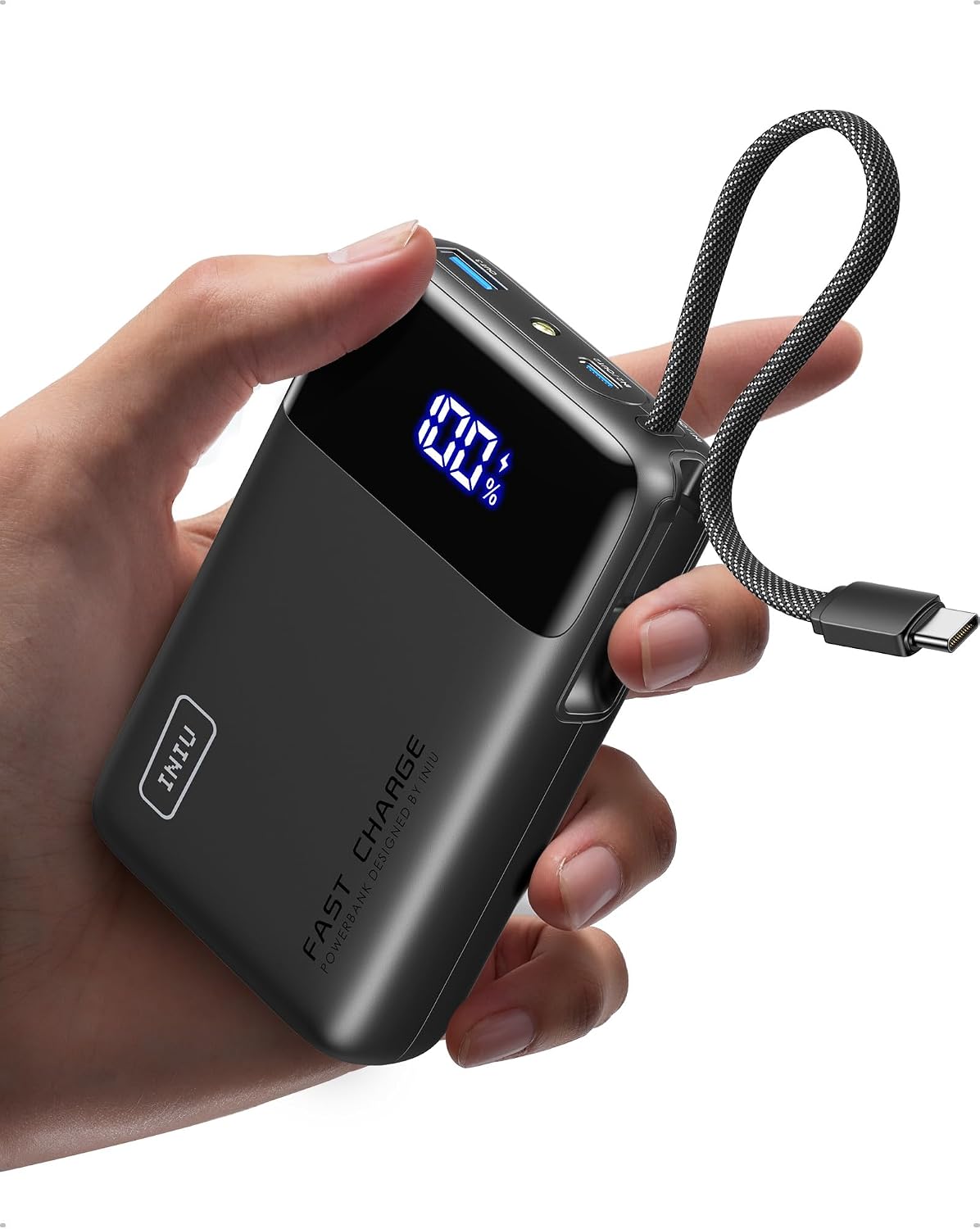
Choosing a power bank for UK power cuts.
For a UK power cut, choose a power bank around the phone or device you need to charge. Capacity, charging output and the cable connection are separate checks; plan each one before buying.
Read the guide 3 min