Card payments down? Plan how to buy the essentials
What would you still need to buy today if your phone wallet, card or usual cash machine stopped working? Start with a quick cupboard check.
Three things to sort before you need them
- Check what you already have for tonight and tomorrow.
- If you can, set aside a small mix of notes and coins for essentials.
- Choose a nearby fallback shop and keep its number on paper.
Choose what you’d actually need
Imagine you’re about to do the evening shop and the till stops taking cards. Could you make dinner from what you have? Is there enough pet food for the morning? Does someone you help need anything picked up today? Write down the one or two things that really couldn’t wait.
The UK Government’s Be Ready guidance suggests a small cash backup, with notes and coins, in case electronic payments or cash machines are disrupted. Use the cost of your own essentials to decide what’s useful, if your budget allows. Keep it somewhere secure that the adults who need it can access.
Ask what’s working before you travel
If your phone wallet fails, ask whether you can use a physical card. If card payments are down at the shop, ask whether the tills are open and whether staff can take cash. The Bank of England explains that shops choose which payment methods to accept.
If you rely on one shop or cash machine, write down a nearby alternative and a phone number. During a wider power cut, check before setting out. If the purchase can wait, use what’s at home and try again when the service is back.
Put the fallback on your household plan
Try this at home. Ask someone else to name a meal you could make from the cupboard and the shop they’d try if your usual one couldn’t take payment. If either answer is hard to come up with, you’ve found one small thing to sort on your next ordinary shop.
Sources & editorial notes
Read our editorial standards and corrections policy or report a correction to the site editor.
This article was published on 26 Nov 2026 from information available at that time. Conditions and service status can change, so use the dated official sources below for the latest position.
- UK Government Be Ready: household preparedness checklist ↗
- UK Government Be Ready: preparing for power cuts ↗
- Bank of England: what is legal tender? ↗
Be Readyford is independent and is not affiliated with the source organisations or the UK government. Practical suggestions are general household preparedness guidance, not medical, legal or technical advice.
For immediate danger, call 999.
Turn concern into a useful next step.
How to prepare for a UK power cut at home
Start with the things your household needs to do when mains electricity is unavailable. Plan the task first, then check whether your equipment can actually support it.
 VARTA L10RH Dynamo Lantern↗
 Energizer Fusion Compact Lantern↗
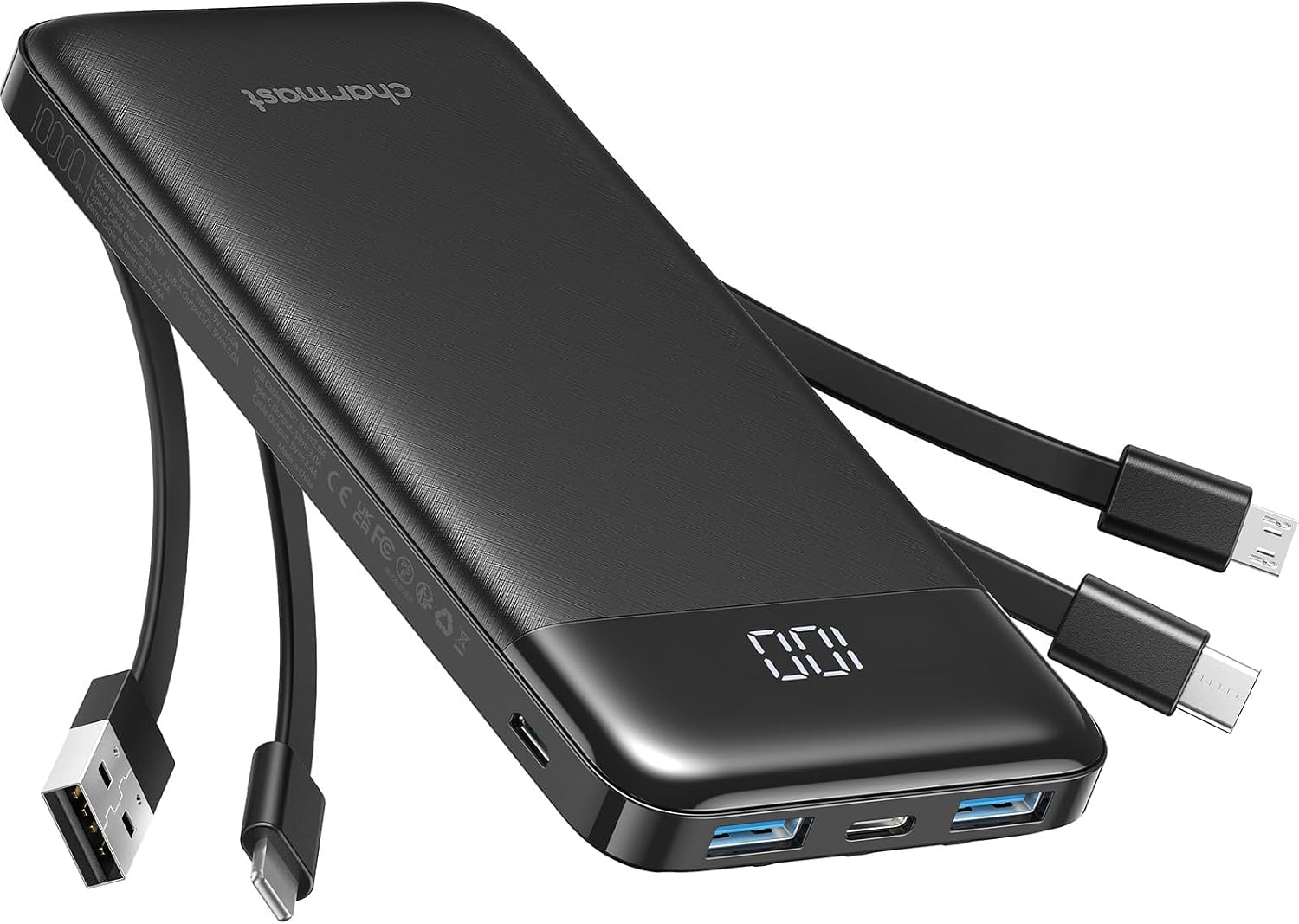 Charmast power bank↗
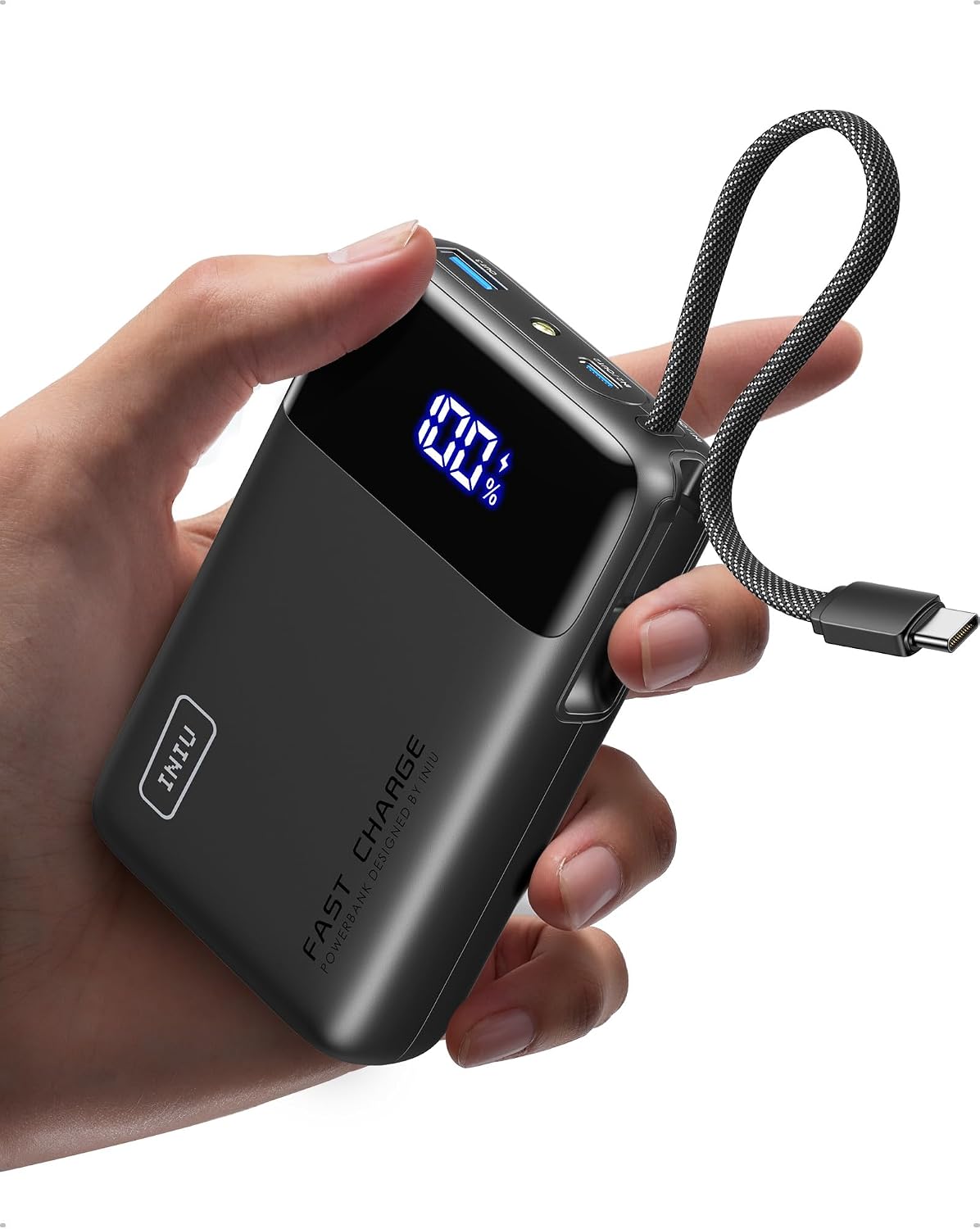 INIU 20,000mAh bank↗
Your household emergency plan. Useful details, on paper.
The checklist tells you what to check. A household emergency plan records who will do what, where useful things are kept and how you will find reliable information.
 Lepro LED Pen Torch (2-Pack)↗
 Compact first aid kit↗
 1410 Outdoor 5L Water Container↗Charmast power bank↗
What size power bank do I need for a UK power cut?
For a UK power cut, choose a power bank around the phone or device you need to charge. Capacity, charging output and the cable connection are separate checks; plan each one before buying.
Read the guide 4 min